How international carbon credits could help the EU to regain climate leadership
WHEN
02 March I 13:45 - 15:00
WHERE
The Square
TOPICS
Energy & Climate
WHEN
02 March I 13:45 - 15:00
WHERE
The Square
TOPICS
Energy & Climate
The global clean energy transition is essential to keeping the Paris Agreement within reach. Yet phasing out fossil fuels, especially coal, remains a real challenge. Many emerging and developing economies still rely on coal to meet growing energy demand. They are likely to continue unless substantial support for feasible alternatives is mobilised.
This situation presents the EU with a strategic opportunity to renew partnerships while advancing its geopolitical, climate and competitiveness objectives. A compelling approach for the EU could involve a combination of Clean Trade and Investment Partnerships alongside the use of international carbon credits – an option it has recently begun to reconsider in the context of the 2040 target debate.
This Lab session presents and tests a proposition for integrating international carbon credits into the EU’s partnership framework. It explores how this can be done while maintaining strong integrity safeguards, to accelerate the global clean energy transition and strengthen Europe’s role in addressing climate change.
Speakers
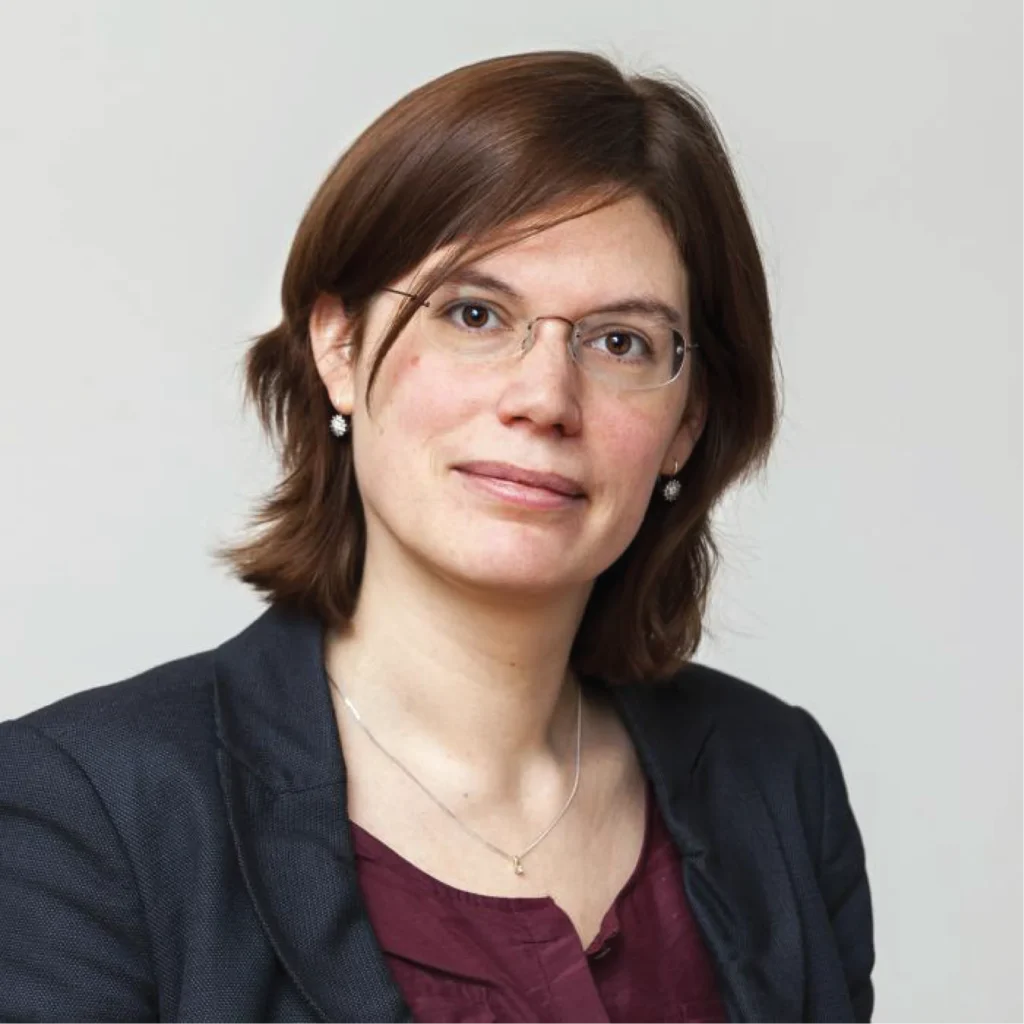
Marc Vanheukelen
Senior Advisor, Rud Pedersen, Former EU Ambassador at large for Climate Diplomacy, Former EU Ambassador to the WTO.
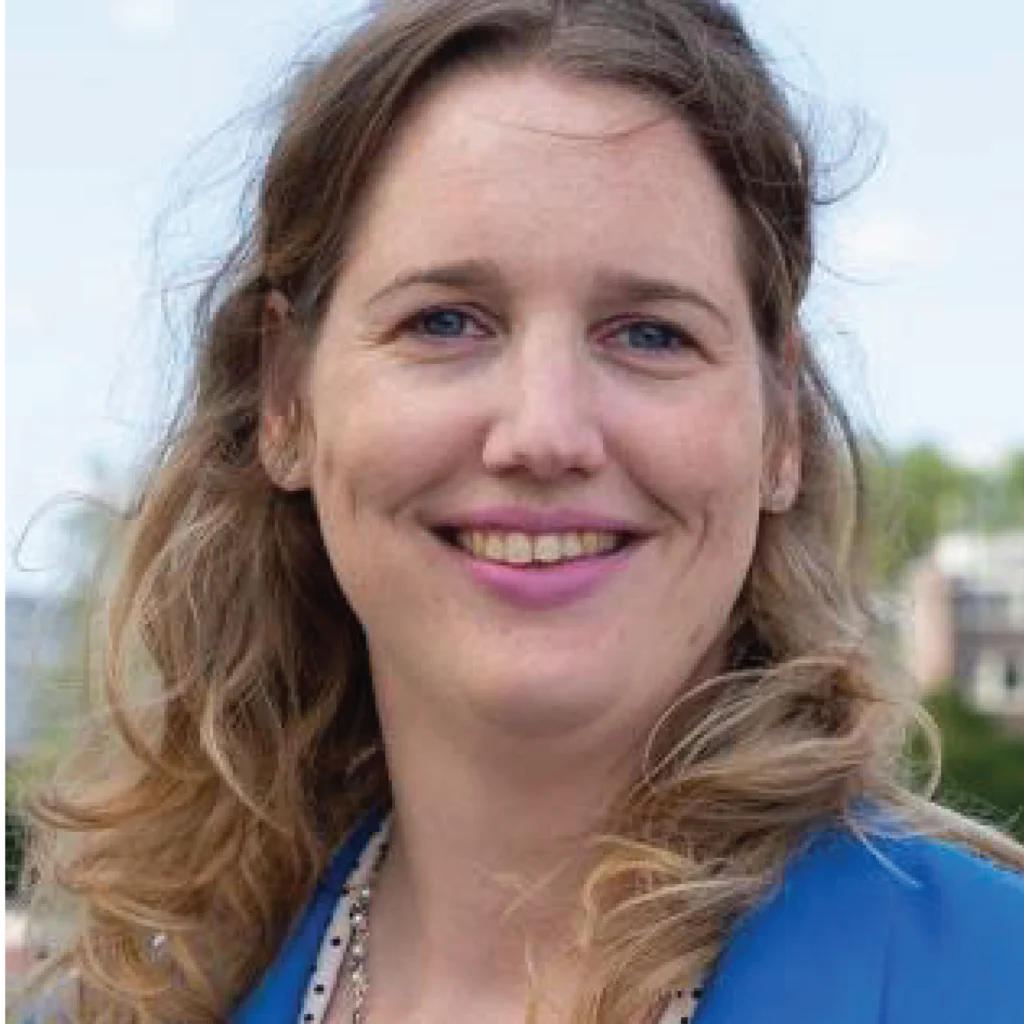
Louise van Schaik
Head of EU and Global Affairs, Clingendael Institute
Christian Dietz
Researcher, CEPS
Marc Vanheukelen
Senior Advisor, Rud Pedersen, Former EU Ambassador at large for Climate Diplomacy, Former EU Ambassador to the WTO.
Louise van Schaik
Head of EU and Global Affairs, Clingendael Institute
Christian Dietz
Researcher, CEPS
15:15 - 16:30
ROOM 206
AI and the future of work: a new division of labour
Recent developments in generative AI have helped to democratise expertise, making knowledge more accessible to a wide range of non-expert workers. Meanwhile, however, many high- and middle skilled occupations continue to experience labour shortages. This lab session will explore how such advancements in AI could be leveraged to redesign jobs and organisations, addressing skill shortages and providing new career paths. (For further background, listen to this CEPS Tech podcast episode)
With:
Enrique Fernandez-Macias, Researcher and coordinating the Employment and Skills team, Joint Research Centre
Marlene de Koning, Directorand leading the HR Tech & Digital team, PwC Netherlands
Isabelle Schömann, European Trade Union Confederation (ETUC)
Isabella Loaiza Saa, Postdoctoral Associate, MIT Sloan School of Management
Laura Nurski, Associate Research Fellow and Head of Programme on Future of Work, CEPS (moderator)