The reconstruction of the Framework Programme – the next Horizon Europe – is more necessary than it may appear. EU research and innovation policy not only underpins the Union’s future competitiveness but also shapes its international relations. In an increasingly complex and unsettling geopolitical environment, the EU is being pushed to reassess its global role. How can the EU reinforce its position as a pioneer in shaping our common future?
To address this challenge, Renda (2025) proposes the creation of two councils within Horizon Europe 2028–2034. The Council on Research and Innovation for Competitiveness and Security (CRICS) would concentrate on dual-use technologies, industrial sovereignty, defence innovation and economic resilience, ensuring that investment is closely aligned with policy and industrial needs. In parallel, the Council on Global Societal Challenges (CGSC) would focus on global public goods such as climate, health and biodiversity.
Together, these structures would enable Horizon Europe to act as a balancing force: strengthening EU competitiveness while consolidating the Union’s leadership in tackling global challenges. This session gathers high-level stakeholders to discuss the idea of setting up the two Councils, while shedding light on the position of Horizon Europe in this complex, technically and geopolitically driven age.
Speakers
Andrea Renda
Moderator
Director of Research, CEPS
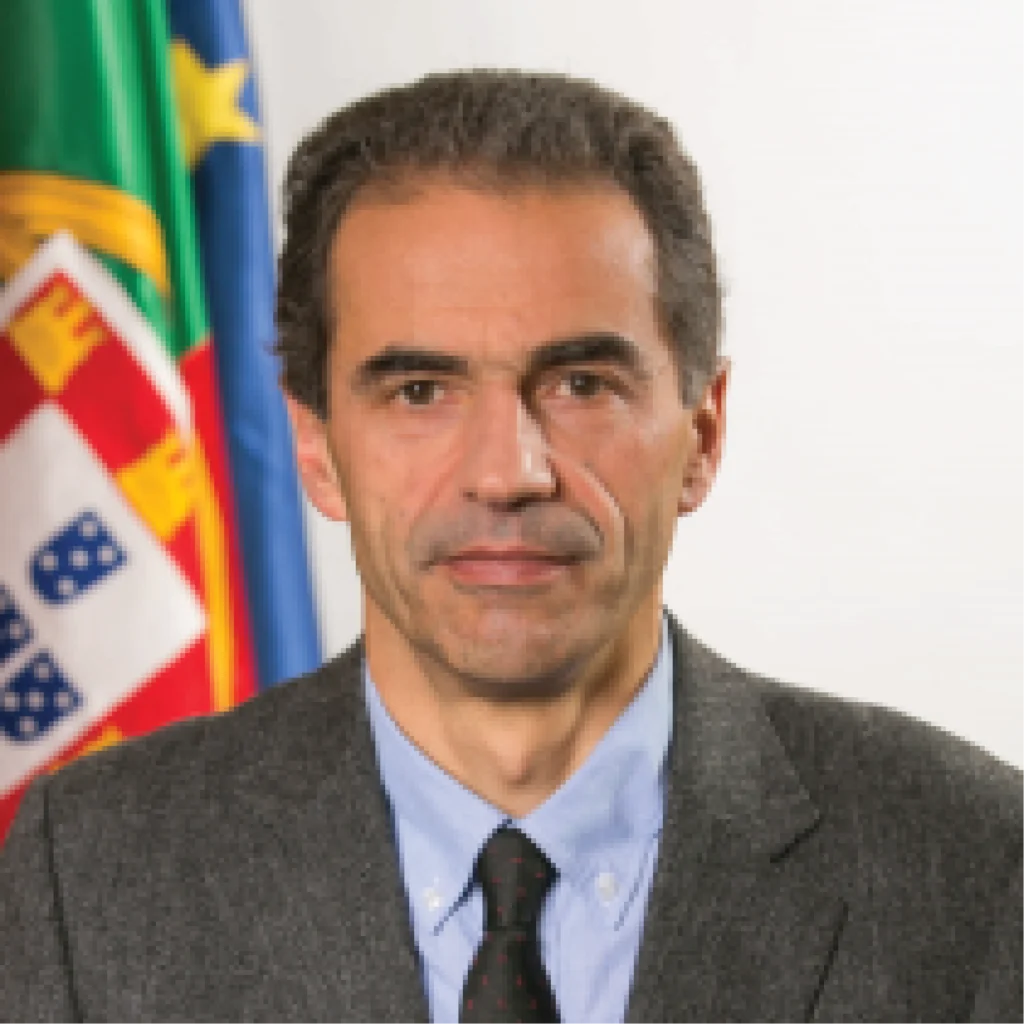
Manuel Heitor
Professor at Instituto Superior Técnico (IST), founding director of IN+, and former Minister for Science, Technology and Higher Education of Portugal
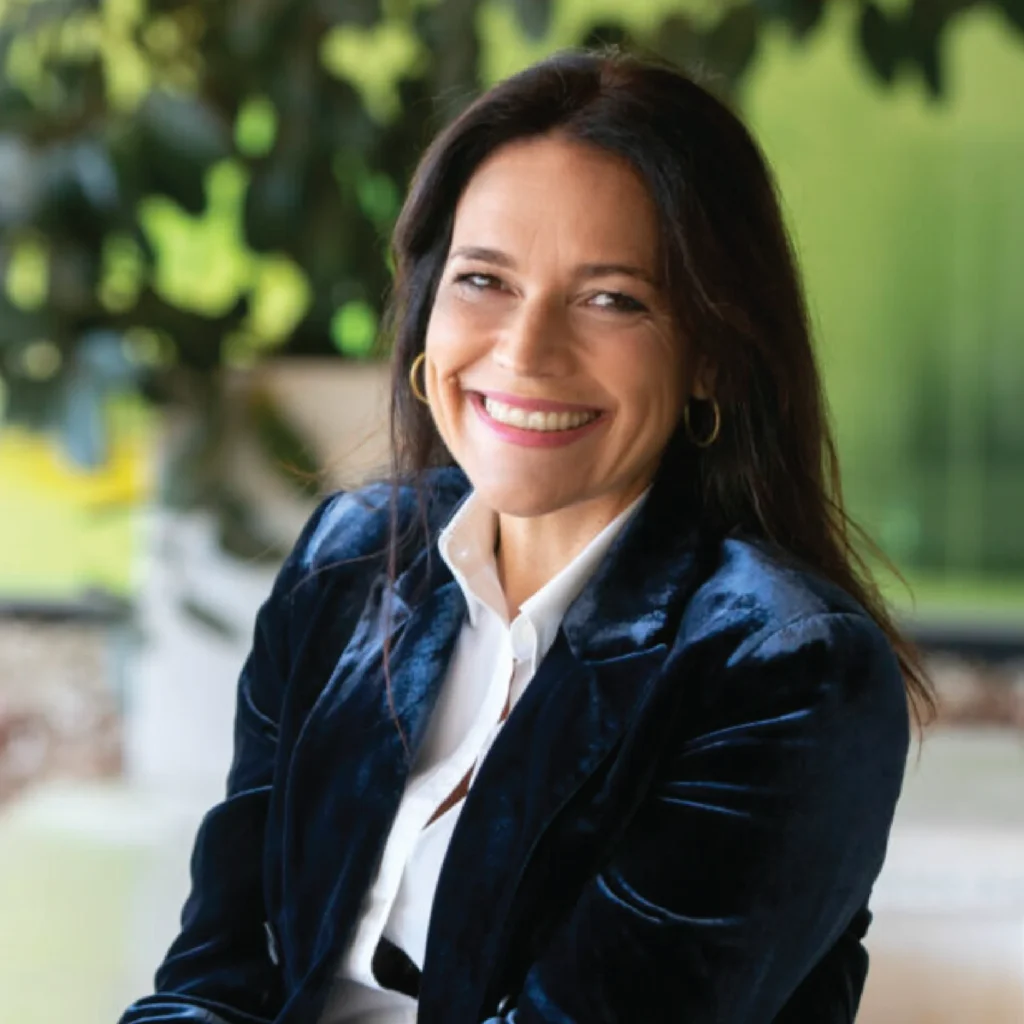
Darja Isaksson
Director General of the Swedish Innovation Agency Vinnova
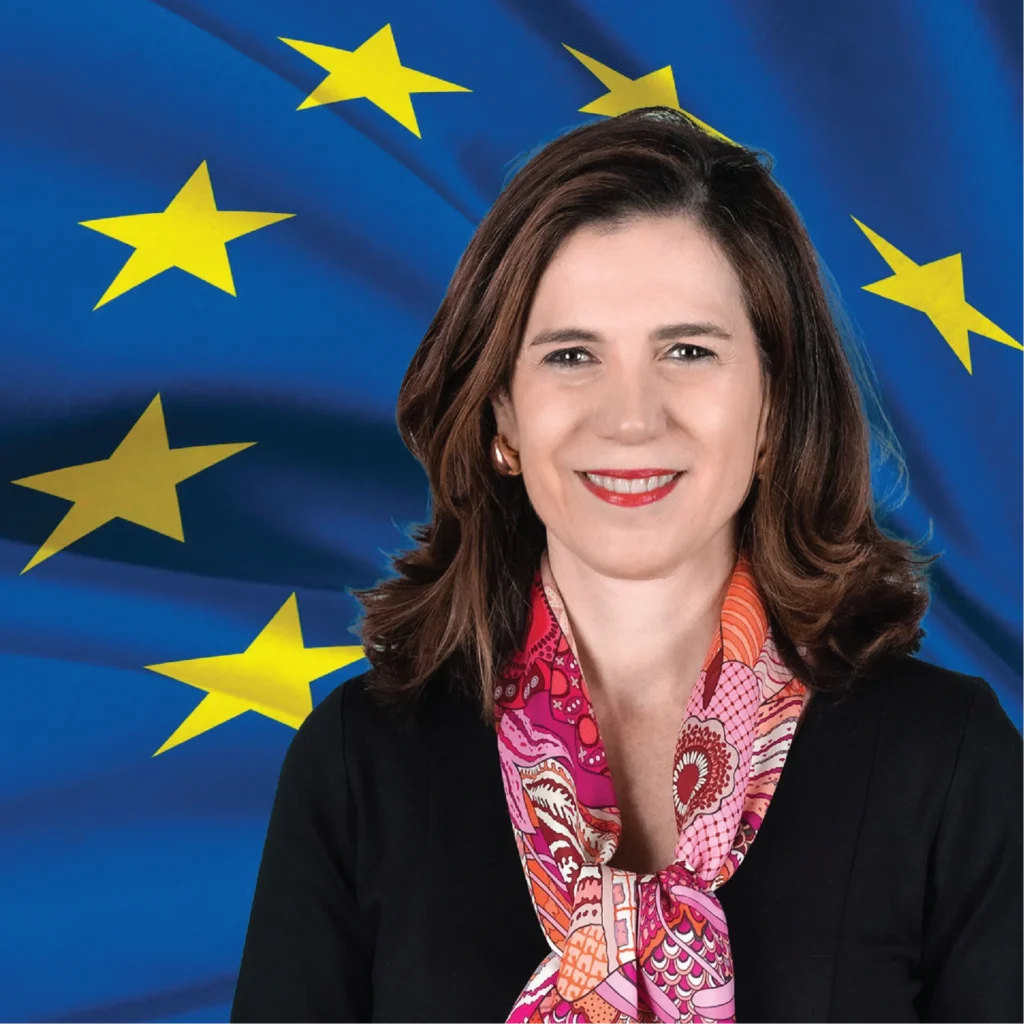
Cristina Russo
Deputy-Director General, DG Research & Innovation, European Commission
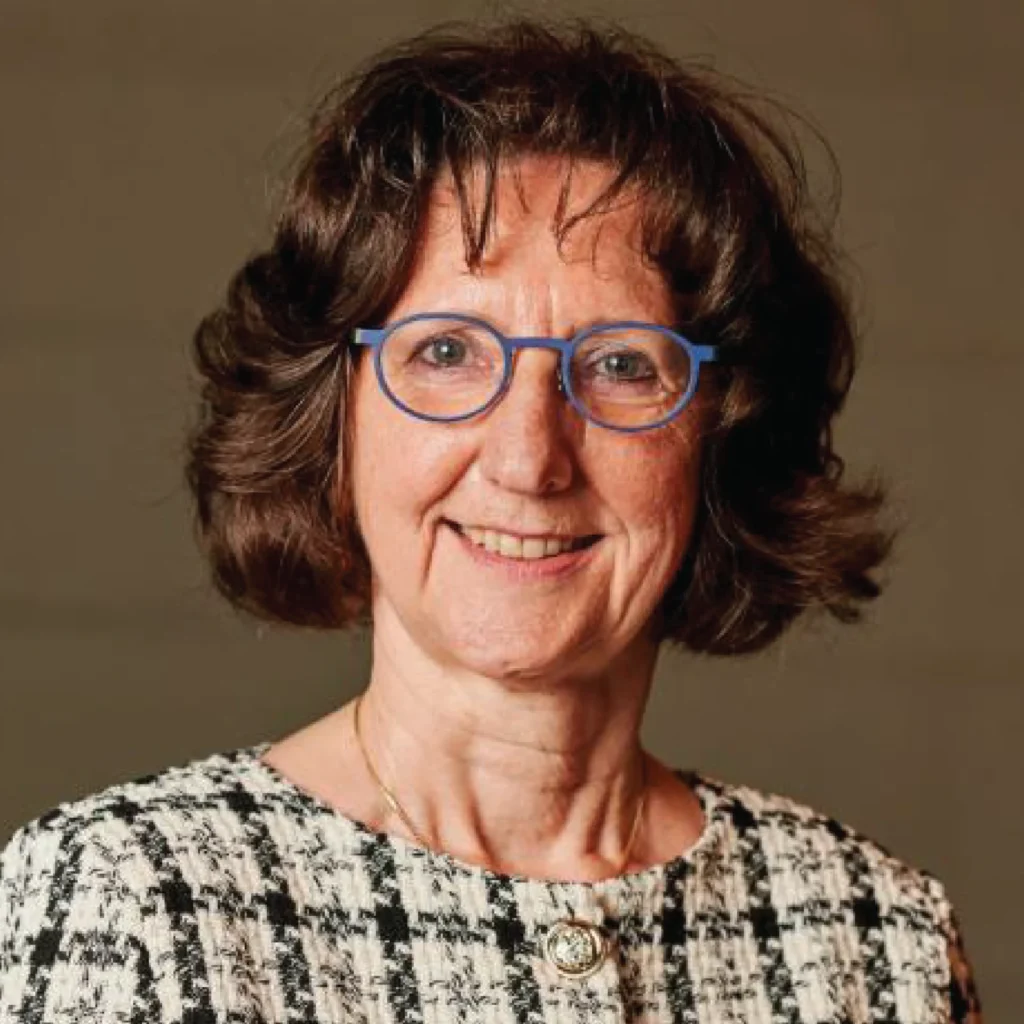
Conny Aerts
Member of the ERC Scientific Council
Lina Galvez
Member of European Parliament, Co-Rapporteur for the EU’s next R&I Framework Programme FP10
Loizos Solomou
Attaché (Research, Innovation policy) and Coordinator (Digital Transition), Cyprus presidency of the Council of the European Union
Andrea Renda
Moderator
Director of Research, CEPS
Manuel Heitor
Professor at Instituto Superior Técnico (IST), founding director of IN+, and former Minister for Science, Technology and Higher Education of Portugal
Darja Isaksson
Director General of the Swedish Innovation Agency Vinnova
Cristina Russo
Deputy-Director General, DG Research & Innovation, European Commission
Conny Aerts
Member of the ERC Scientific Council
Lina Galvez
Member of European Parliament, Co-Rapporteur for the EU’s next R&I Framework Programme FP10
Loizos Solomou
Attaché (Research, Innovation policy) and Coordinator (Digital Transition), Cyprus presidency of the Council of the European Union
15:15 - 16:30
ROOM 206
AI and the future of work: a new division of labour
Recent developments in generative AI have helped to democratise expertise, making knowledge more accessible to a wide range of non-expert workers. Meanwhile, however, many high- and middle skilled occupations continue to experience labour shortages. This lab session will explore how such advancements in AI could be leveraged to redesign jobs and organisations, addressing skill shortages and providing new career paths. (For further background, listen to this CEPS Tech podcast episode)
With:
Enrique Fernandez-Macias, Researcher and coordinating the Employment and Skills team, Joint Research Centre
Marlene de Koning, Directorand leading the HR Tech & Digital team, PwC Netherlands
Isabelle Schömann, European Trade Union Confederation (ETUC)
Isabella Loaiza Saa, Postdoctoral Associate, MIT Sloan School of Management
Laura Nurski, Associate Research Fellow and Head of Programme on Future of Work, CEPS (moderator)