Launched by the European Commission upon a Draghi report recommendation, the EU Apply AI Strategy aims to deepen the uptake of AI in eleven domains, ranging from mobility to health and from energy to culture and the public sector. The Strategy takes a much-welcomed ecosystem approach, focusing not only on the technology stack, but on complementary aspects such as data governance and the availability of skills. It envisages a new governance and support mechanism to link on-the-ground needs with existing initiatives, while providing new tailored support where needed. At the same time, some of its framing, such as pushing for ‘AI first’ policy and promoting a ‘buy European’ approach, is receiving less widespread support.
The careful design and successful implementation of this Strategy may change the game for European leadership, competitiveness and economic security. Moreover, it may also promote technology sovereignty, enabling the EU to reduce its dependencies on single sources of supply and, where possible, promoting European solutions.
This session explores ways for the EU to seize these opportunities, striking a balance between competitiveness, sovereignty and sustainability.
Speakers
Andrea Renda
Moderator
Director of Research, CEPS
Martin Hullin
Director, Network for Technological Resilience & Sovereignty, Europe’s Future Program – Bertelsmann Stiftung
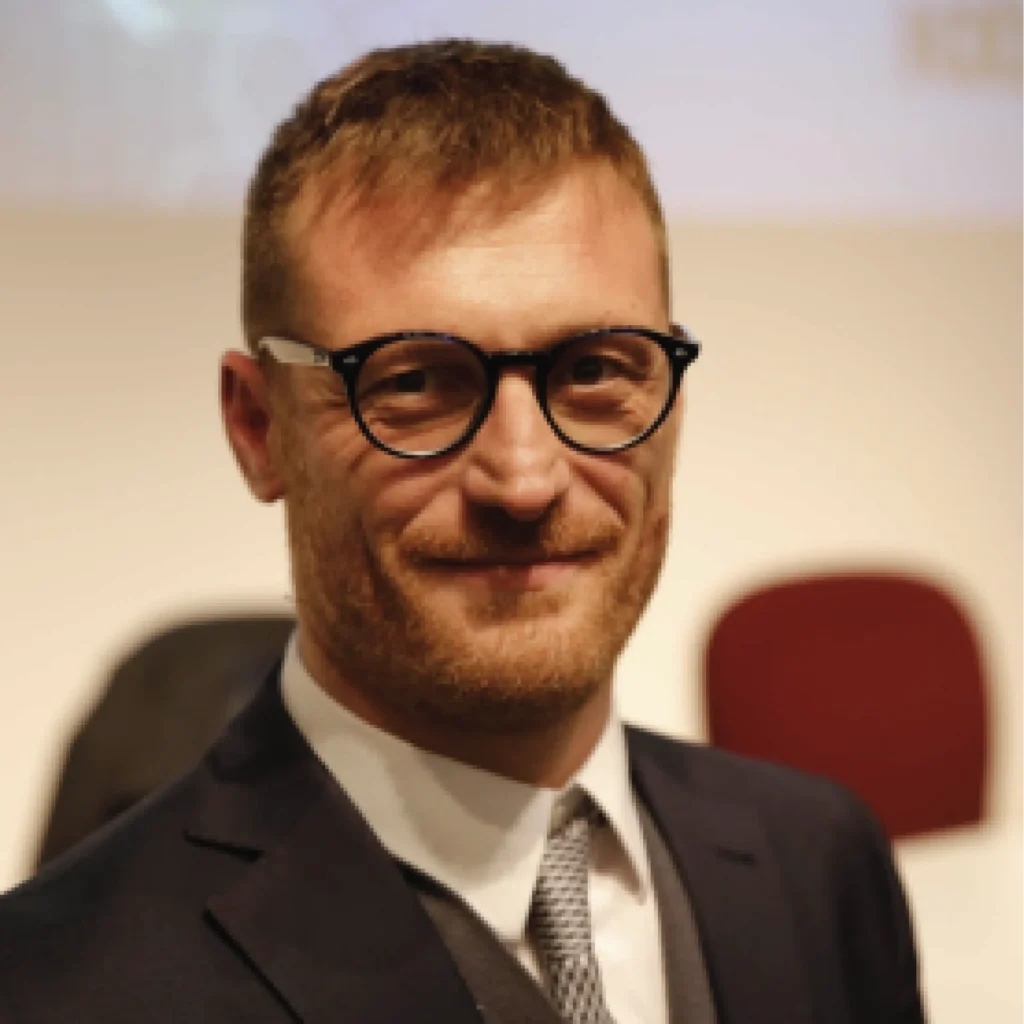
Giuseppe Santonato
EY Europe West AI Leader and EY AI & Data Partner, Italy
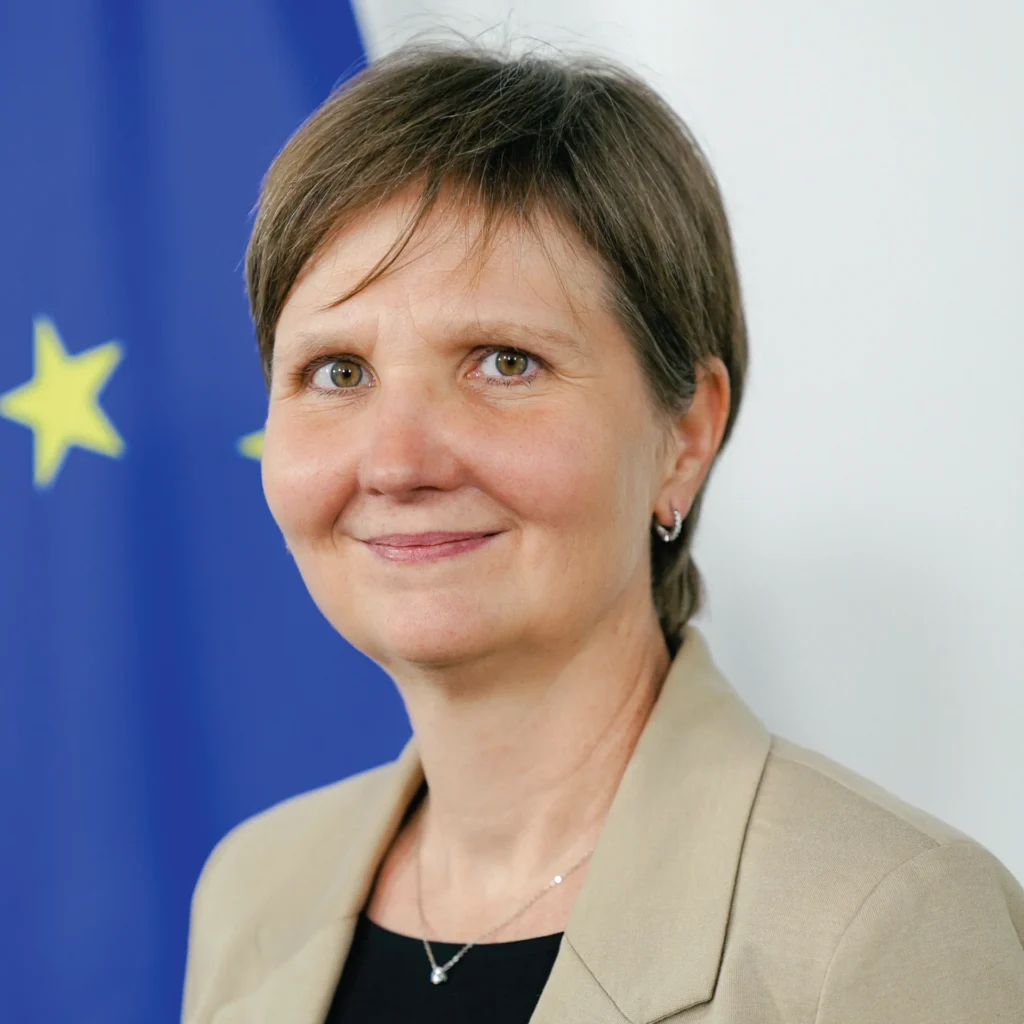
Malgorzata Nikowska
Head of Unit – AI Innovation and Policy Coordination, AI Office, European Commission
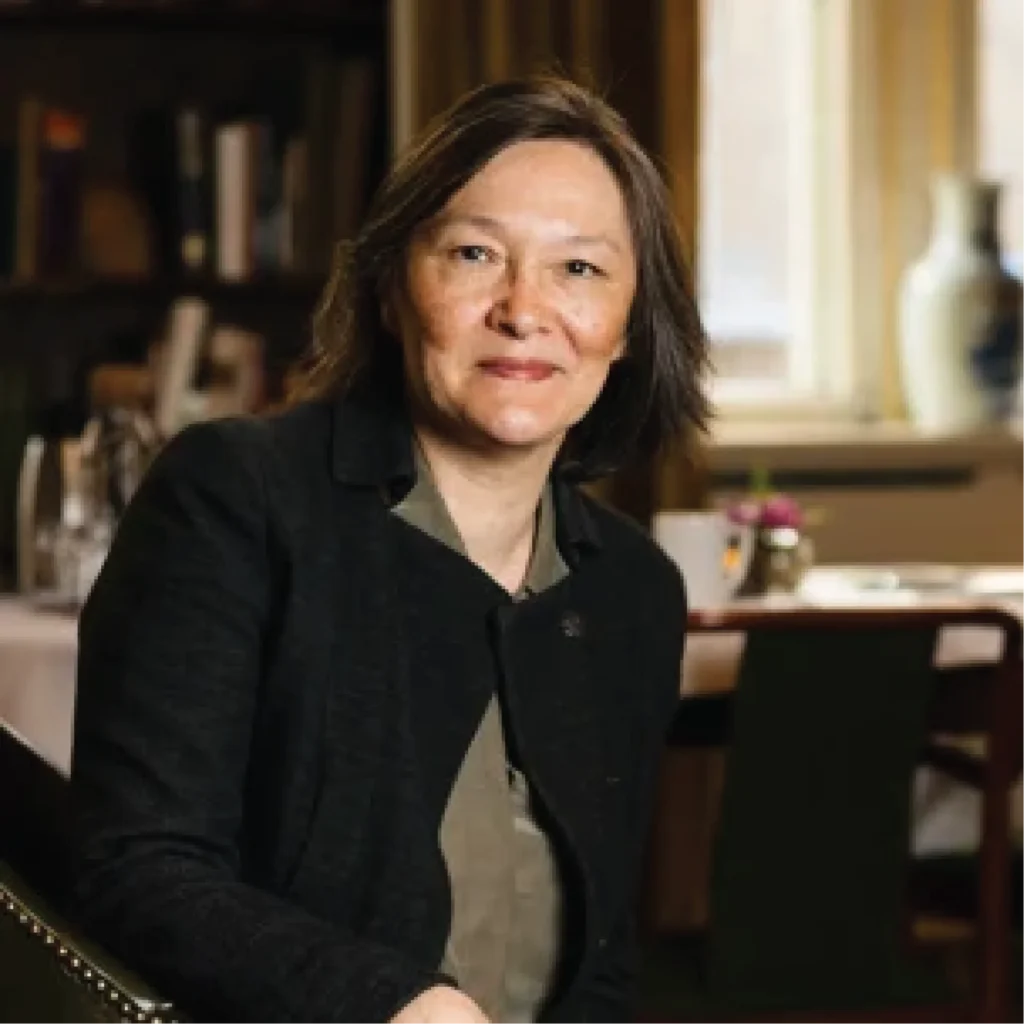
Sylvia Schwaag-Serger
President of the Royal Swedish Academy of Engineering Sciences (IVA)
Emilija Stojmenova Duh
Professor at the University of Ljubljana, Faculty of Electrical Engineering; former Minister of Digital Transformation for Slovenia
Andrea Renda
Moderator
Director of Research, CEPS
Martin Hullin
Director, Network for Technological Resilience & Sovereignty, Europe’s Future Program – Bertelsmann Stiftung
Giuseppe Santonato
EY Europe West AI Leader and EY AI & Data Partner, Italy
Malgorzata Nikowska
Head of Unit – AI Innovation and Policy Coordination, AI Office, European Commission
Sylvia Schwaag-Serger
President of the Royal Swedish Academy of Engineering Sciences (IVA)
Emilija Stojmenova Duh
Professor at the University of Ljubljana, Faculty of Electrical Engineering; former Minister of Digital Transformation for Slovenia
15:15 - 16:30
ROOM 206
AI and the future of work: a new division of labour
Recent developments in generative AI have helped to democratise expertise, making knowledge more accessible to a wide range of non-expert workers. Meanwhile, however, many high- and middle skilled occupations continue to experience labour shortages. This lab session will explore how such advancements in AI could be leveraged to redesign jobs and organisations, addressing skill shortages and providing new career paths. (For further background, listen to this CEPS Tech podcast episode)
With:
Enrique Fernandez-Macias, Researcher and coordinating the Employment and Skills team, Joint Research Centre
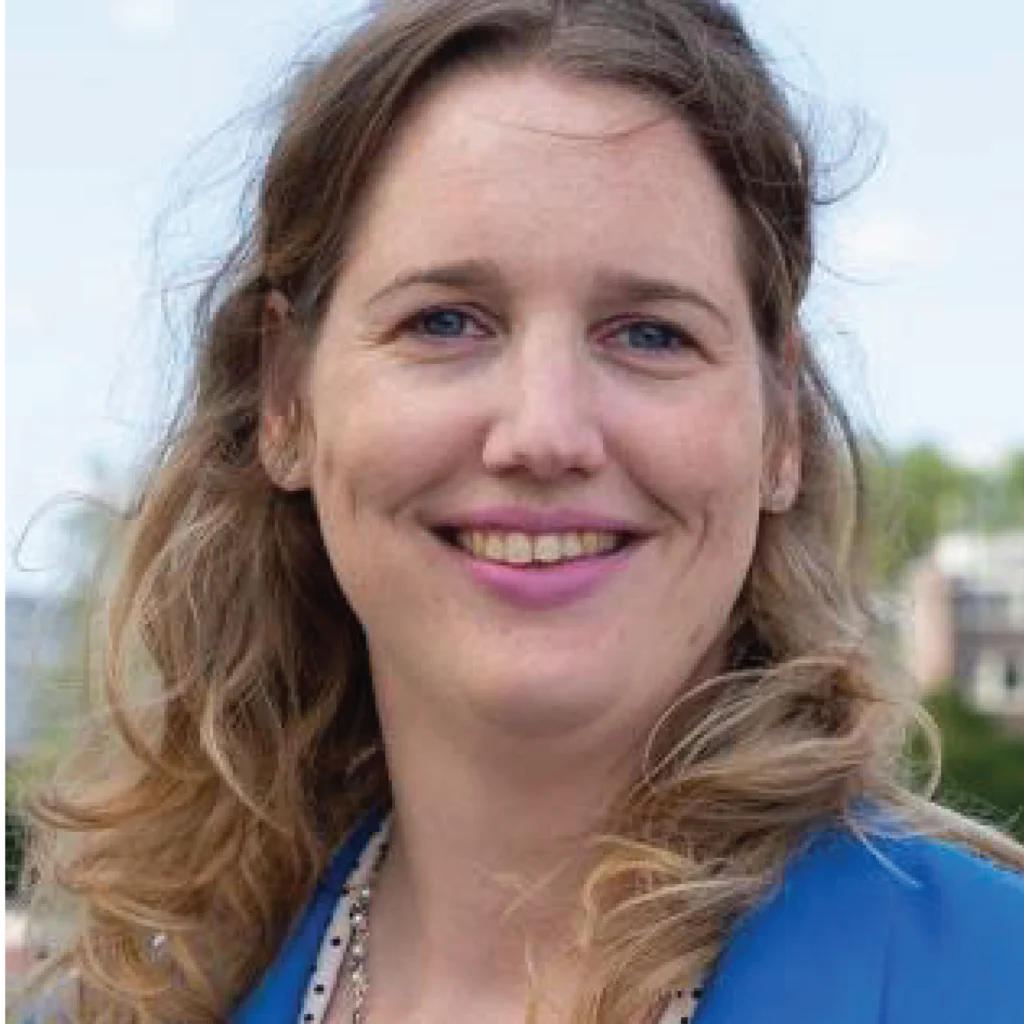
Marlene de Koning, Directorand leading the HR Tech & Digital team, PwC Netherlands
Isabelle Schömann, European Trade Union Confederation (ETUC)
Isabella Loaiza Saa, Postdoctoral Associate, MIT Sloan School of Management
Laura Nurski, Associate Research Fellow and Head of Programme on Future of Work, CEPS (moderator)