Plenary 3: Project 2028: completing the Single Market
WHEN
02 March I 17:00 - 18:30
WHERE
Silver Hall
TOPICS
Single Market
WHEN
02 March I 17:00 - 18:30
WHERE
Silver Hall
TOPICS
Single Market
Long regarded as the European Union’s crown jewel, the Single Market is indeed “much more than a market” – it is the foundation of the EU’s internal strength, global influence and the so-called Brussels Effect.
Yet, the ultimate promise of the Single Market remains unfulfilled. As highlighted by Ursula von der Leyen in her latest State of the Union address, the International Monetary Fund estimates that internal barriers within the Single Market are equivalent to a 45% tariff on goods and an astonishing 110% tariff on services.
While scholars debate the precise magnitude of these figures, the conclusion is clear: Europe cannot remain competitive without swift and decisive action to complete the Single Market. With 2028 now set as the new deadline, the challenge is no longer conceptual but political and operational.
This plenary session examines the key obstacles holding the Single Market back and explores concrete pathways to unlock its full potential through ambitious reforms, simplification, smarter financing and stronger coordination between EU and national levels.
Speakers
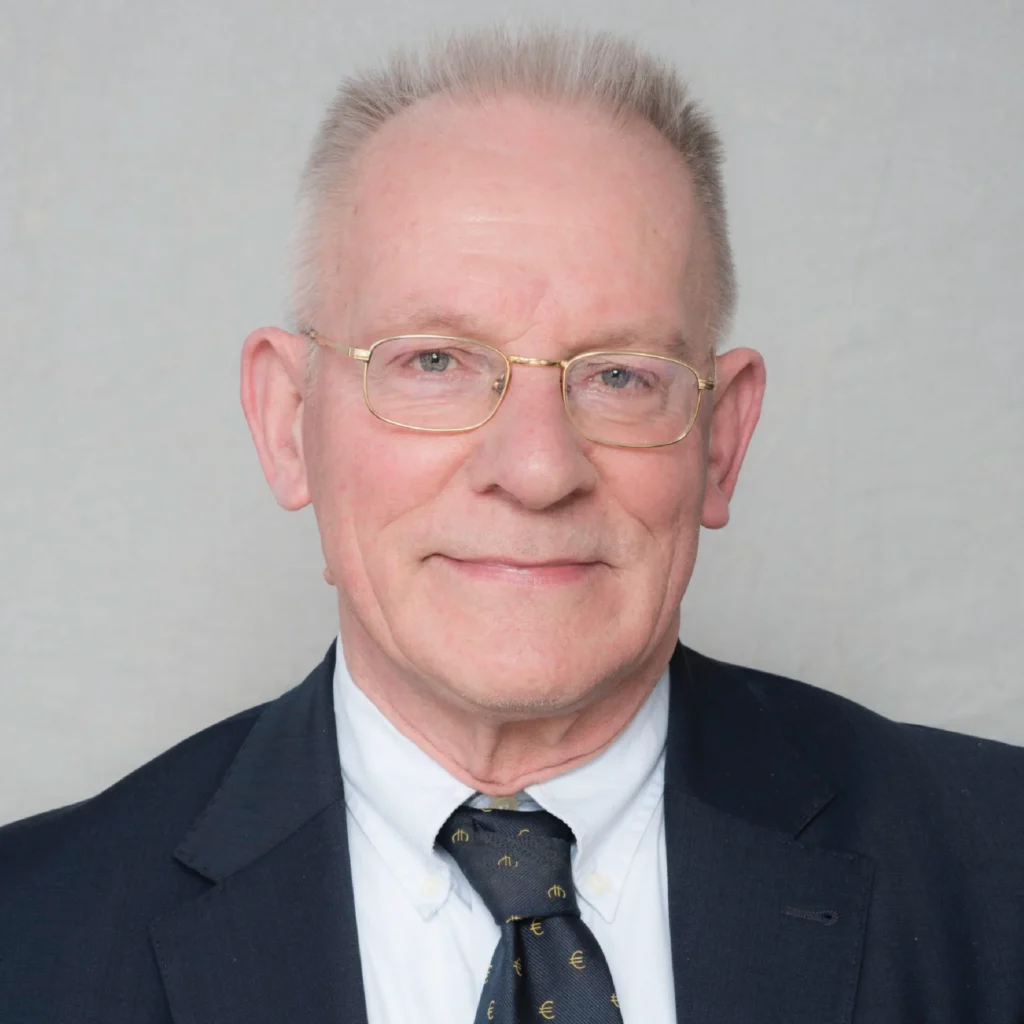
Jacques Pelkmans
Moderator
Associate Senior Research Fellow, CEPS
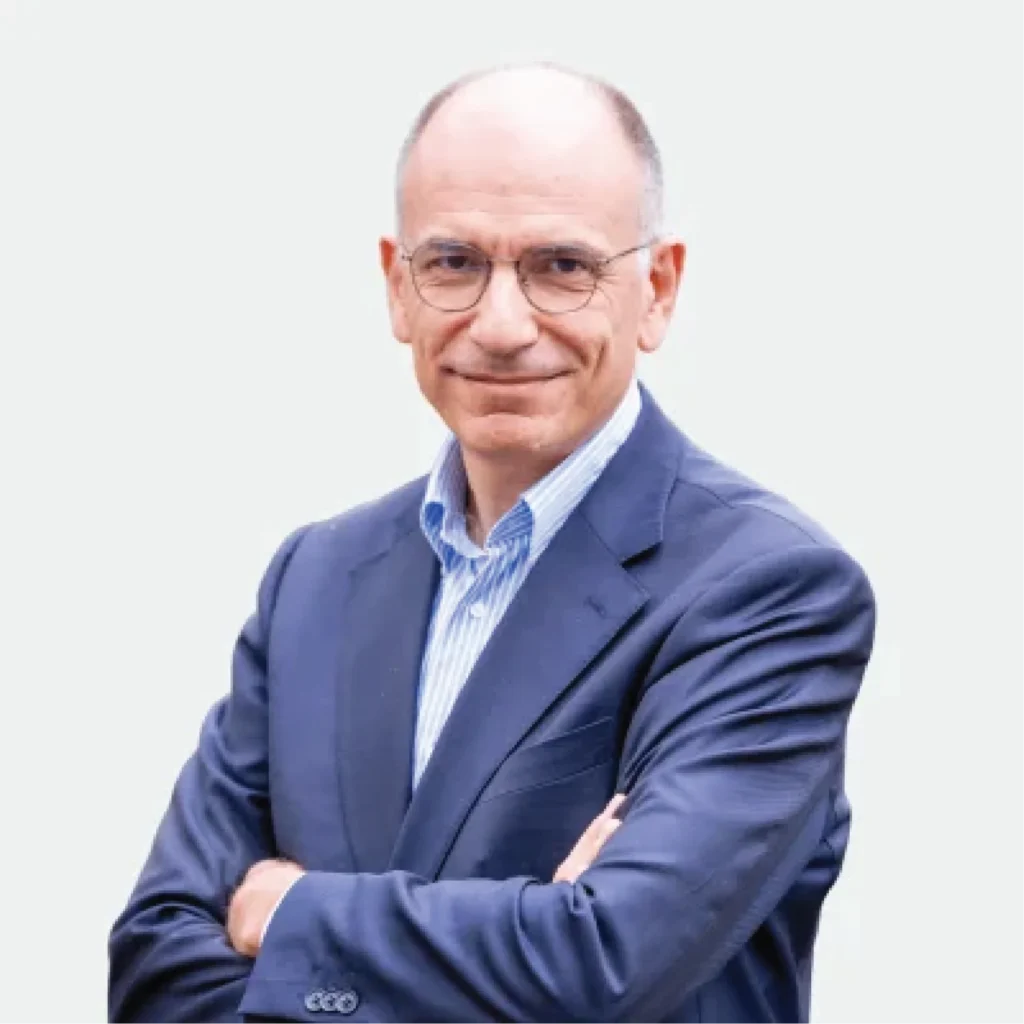
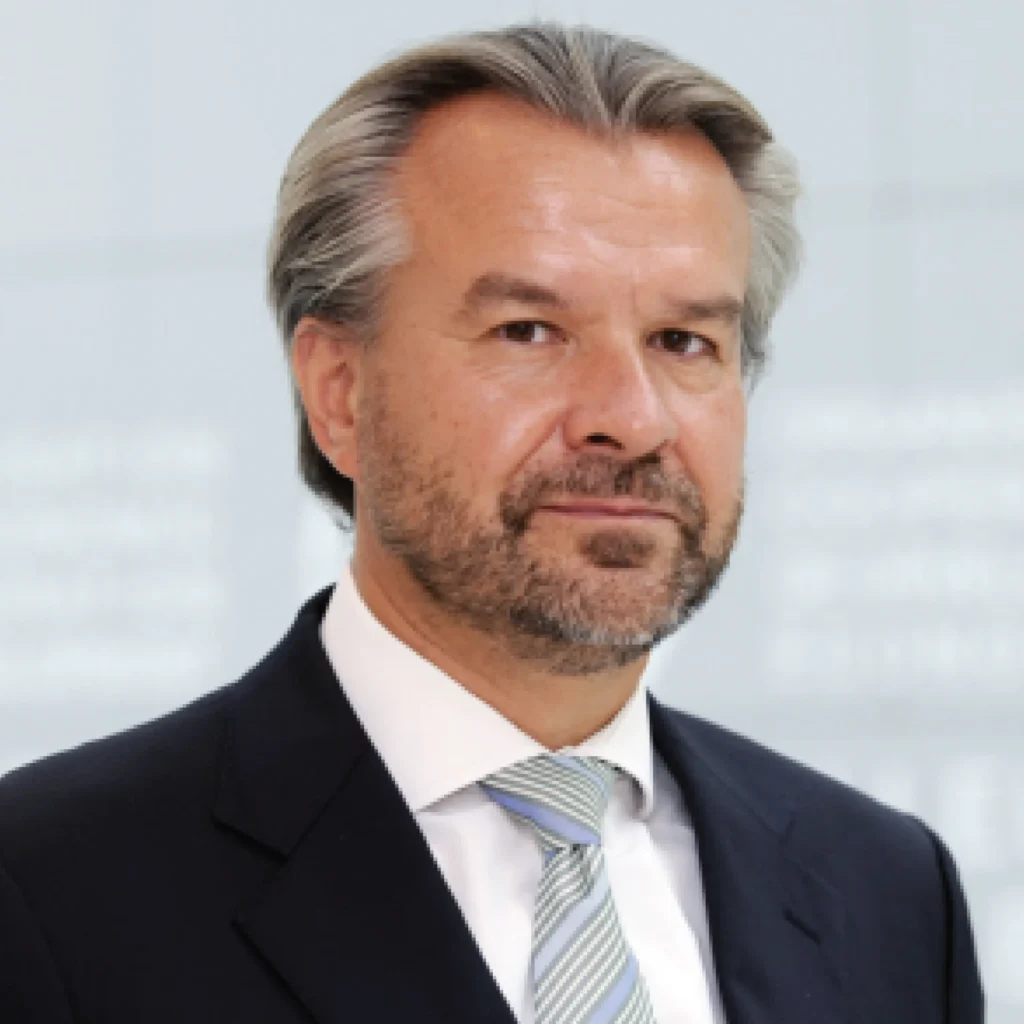
Enrico Letta
Prime Minister of Italy in 2013-2014
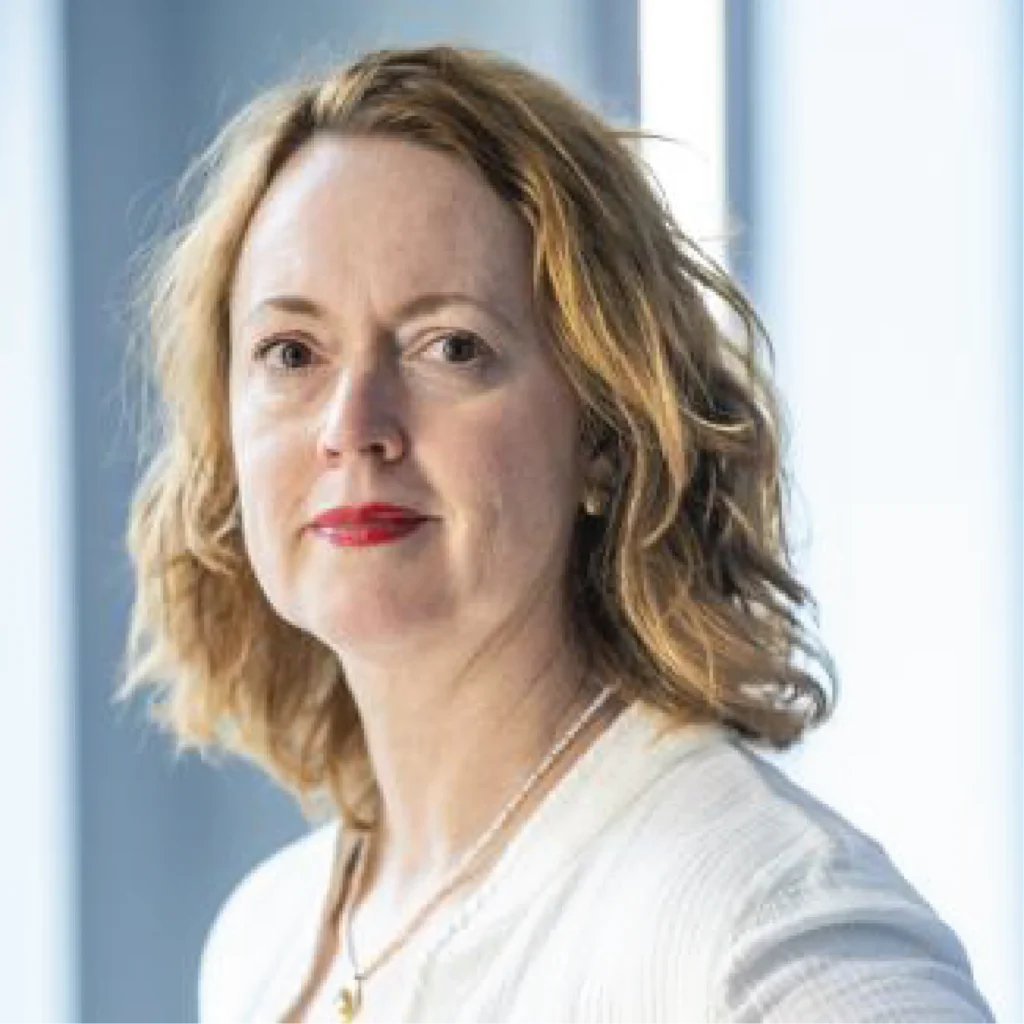
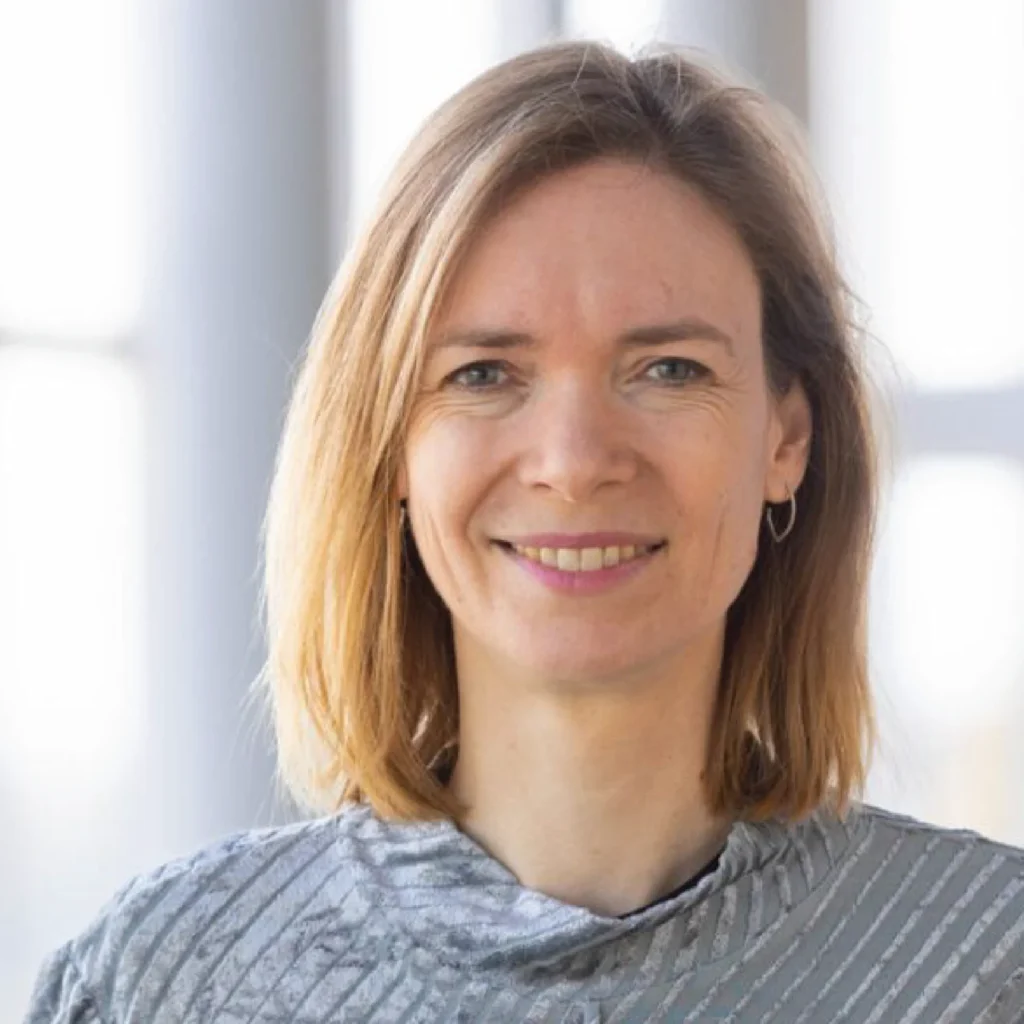
Heather Grabbe
Senior Fellow, Bruegel
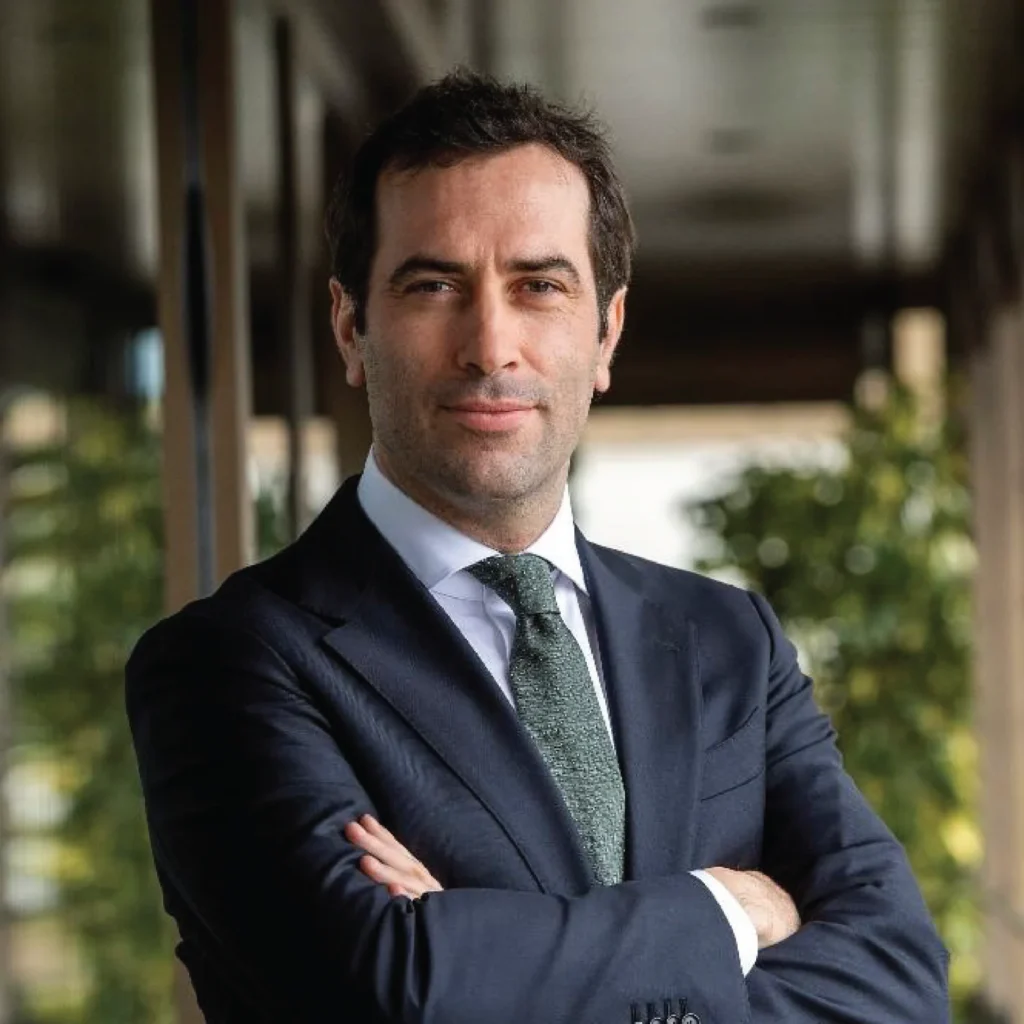
Carlos Cuerpo Caballero
Minister of Economy, Trade and Business of Spain
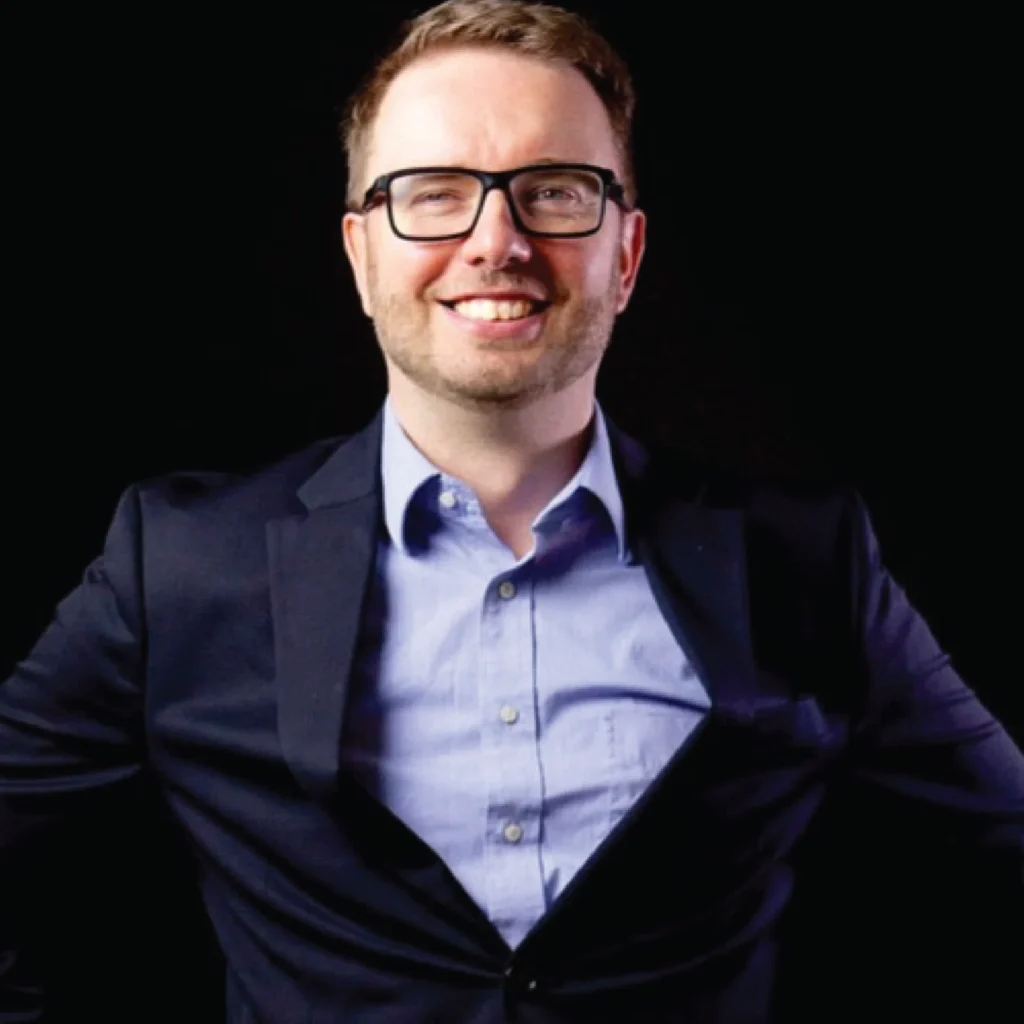
Victor Negrescu
MEP, Vice-President, European Parliament
Anna Cavazzini
MEP, Chair of the Committee on the Internal Market and Consumer Protection
Anthony Gooch-Galvez
Secretary General, European Round Table for Industry (ERT)
Kristo Lehtonen
Director of International Programmes, SITRA
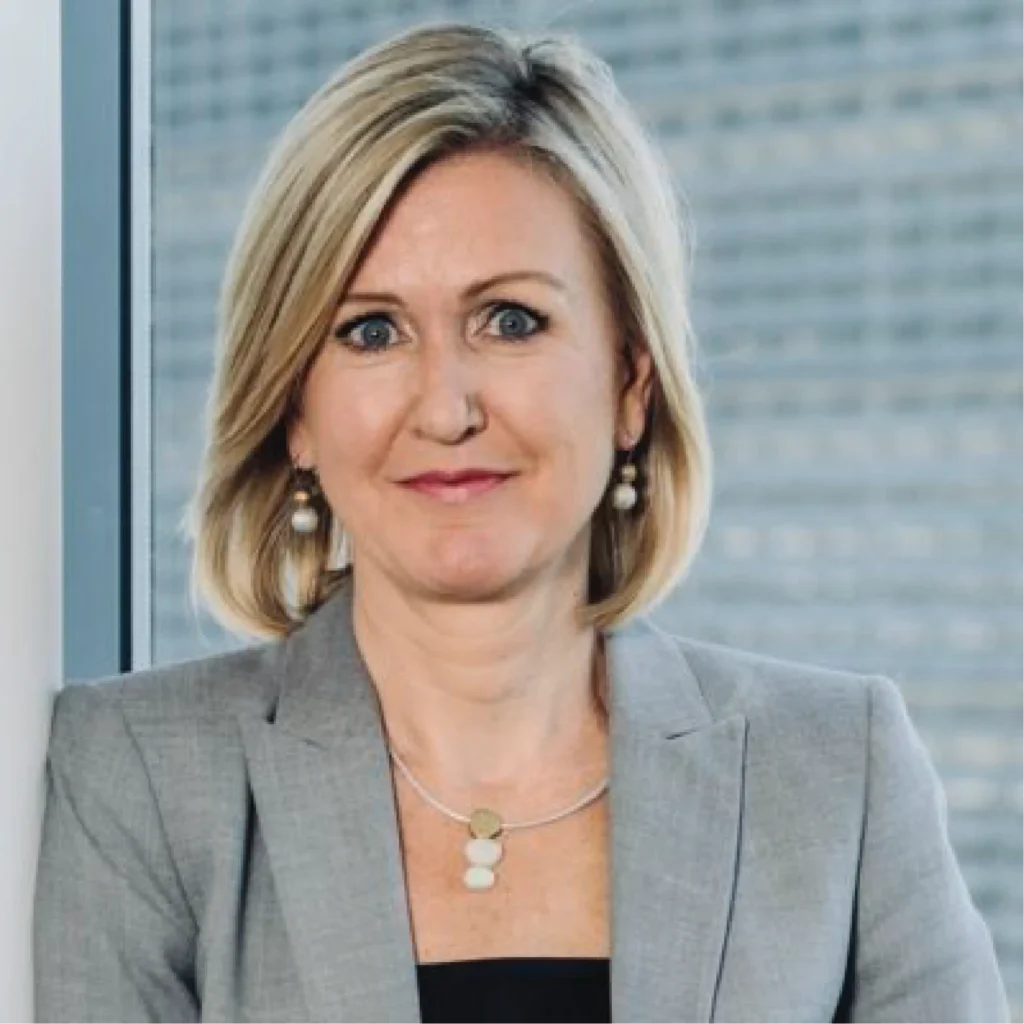
Ann Mettler
President, Catalyse Europe and Member of the Board, European Innovation Council
Jacques Pelkmans
Moderator
Associate Senior Research Fellow, CEPS
Enrico Letta
Prime Minister of Italy in 2013-2014
Heather Grabbe
Senior Fellow, Bruegel
Carlos Cuerpo Caballero
Minister of Economy, Trade and Business of Spain
Victor Negrescu
MEP, Vice-President, European Parliament
Anna Cavazzini
MEP, Chair of the Committee on the Internal Market and Consumer Protection
Anthony Gooch-Galvez
Secretary General, European Round Table for Industry (ERT)
Kristo Lehtonen
Director of International Programmes, SITRA
Ann Mettler
President, Catalyse Europe and Member of the Board, European Innovation Council
15:15 - 16:30
ROOM 206
AI and the future of work: a new division of labour
Recent developments in generative AI have helped to democratise expertise, making knowledge more accessible to a wide range of non-expert workers. Meanwhile, however, many high- and middle skilled occupations continue to experience labour shortages. This lab session will explore how such advancements in AI could be leveraged to redesign jobs and organisations, addressing skill shortages and providing new career paths. (For further background, listen to this CEPS Tech podcast episode)
With:
Enrique Fernandez-Macias, Researcher and coordinating the Employment and Skills team, Joint Research Centre
Marlene de Koning, Directorand leading the HR Tech & Digital team, PwC Netherlands
Isabelle Schömann, European Trade Union Confederation (ETUC)
Isabella Loaiza Saa, Postdoctoral Associate, MIT Sloan School of Management
Laura Nurski, Associate Research Fellow and Head of Programme on Future of Work, CEPS (moderator)