Plenary 2: What future for Europe’s security architecture?
WHEN
02 March I 10:45 - 12:15
WHERE
Silver Hall
TOPICS
Security
WHEN
02 March I 10:45 - 12:15
WHERE
Silver Hall
TOPICS
Security
Europe is being called upon to step up its efforts on preparedness, defence and security. Since the COVID-19 pandemic, and even more so following Russia’s full-scale invasion of Ukraine and the shifting posture of Trump’s America, the imperative for Europe to assume greater responsibility for its own security has become unmistakable. With the United States increasingly behaving as a rival rather than an ally – undermining trust in NATO and deepening divisions among EU Member States – Europe’s security, resilience and defence have moved to the top of the European policy agenda, with far-reaching implications for governance reform, public finance and investment, and the continent’s evolving architecture of alliances.
This plenary session presents preliminary findings from the CEPS-RUSI-Clingendael-IEP Task Force on a European Pillar within NATO, chaired by former Finnish Prime Minister Sauli Niinistö. Discussions assess the geopolitical outlook, capability gaps and projects of common interest, as well as the financing and governance mechanisms underpinning Europe’s emerging security agenda in an increasingly unpredictable – if not hostile – international environment. The debate asks whether NATO and/or the EU are being fatally compromised, and which security arrangements should replace or reinforce them, exploring concrete policy options for a European security architecture that is both responsive to immediate threats and forward-looking in securing long-term peace and stability in Europe.
Speakers
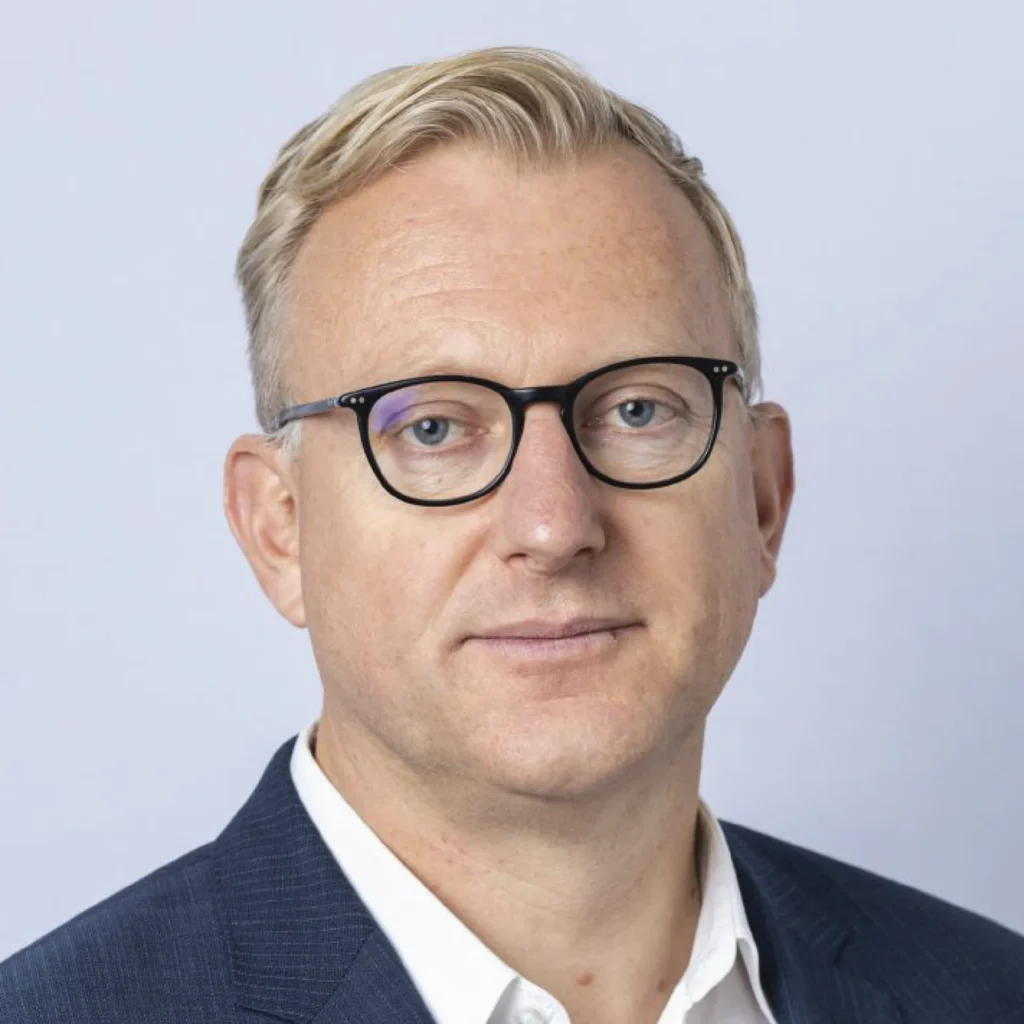
Steven Blockmans
Moderator
Associate Senior Research Fellow and coordinator of the REUNIR project, CEPS
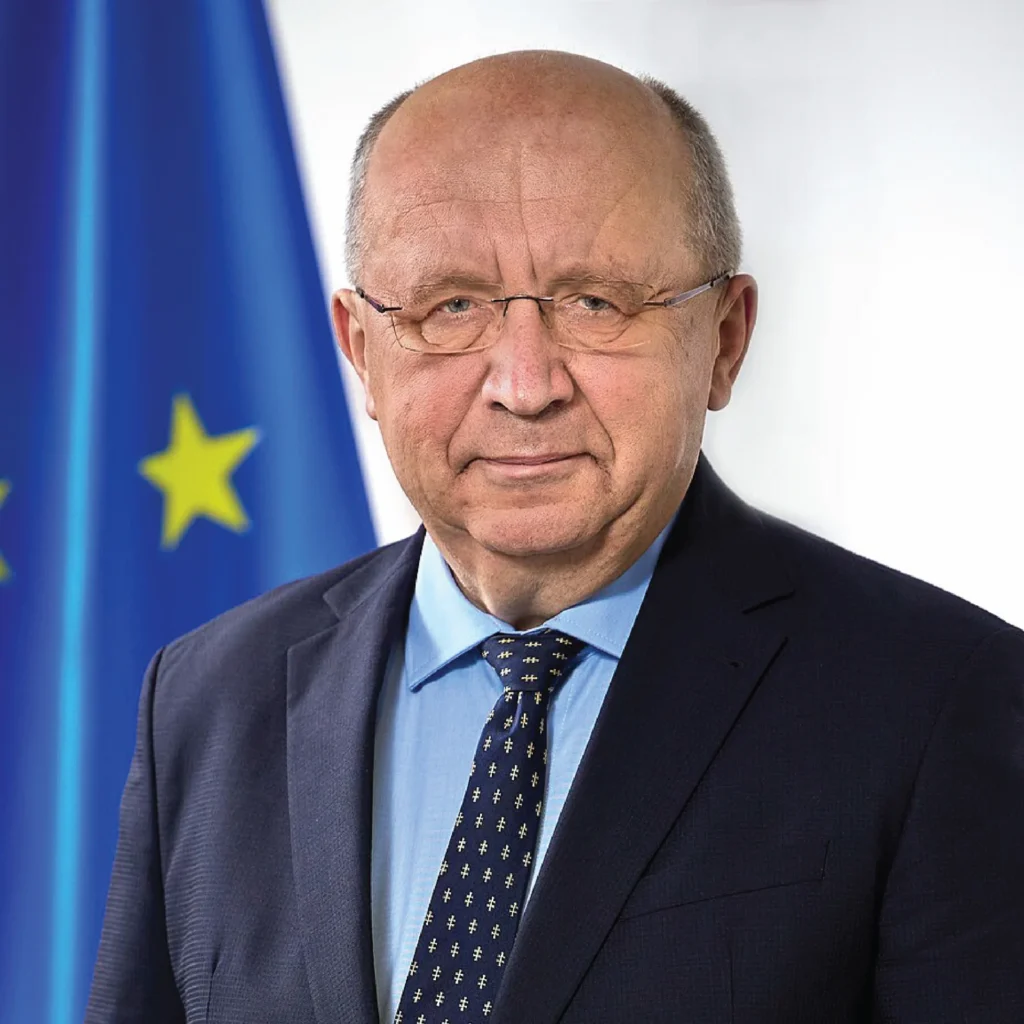
Andrius Kubilius
Commissioner for Defence and Space, European Commission
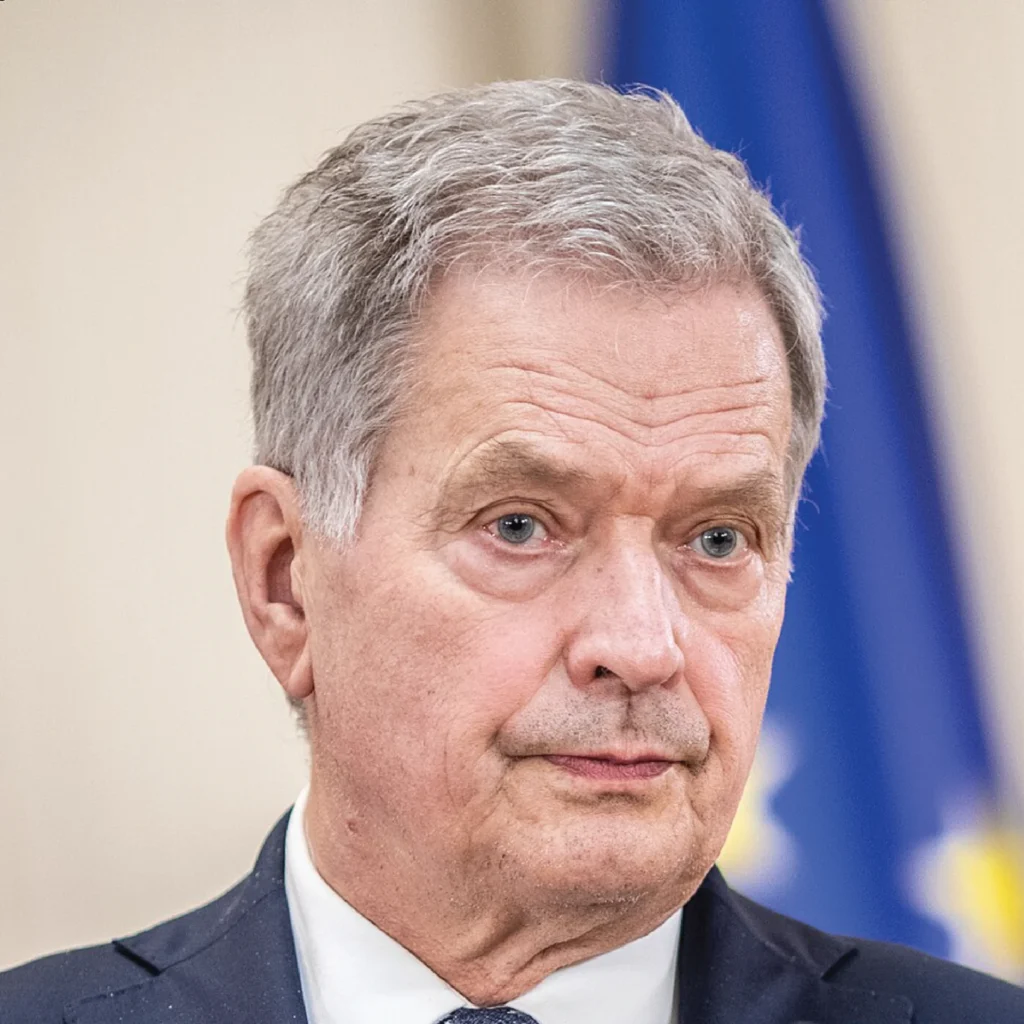
Sauli Niinistö
Former President of the Republic of Finland 2012-2024, President Sauli Niinistö’s office
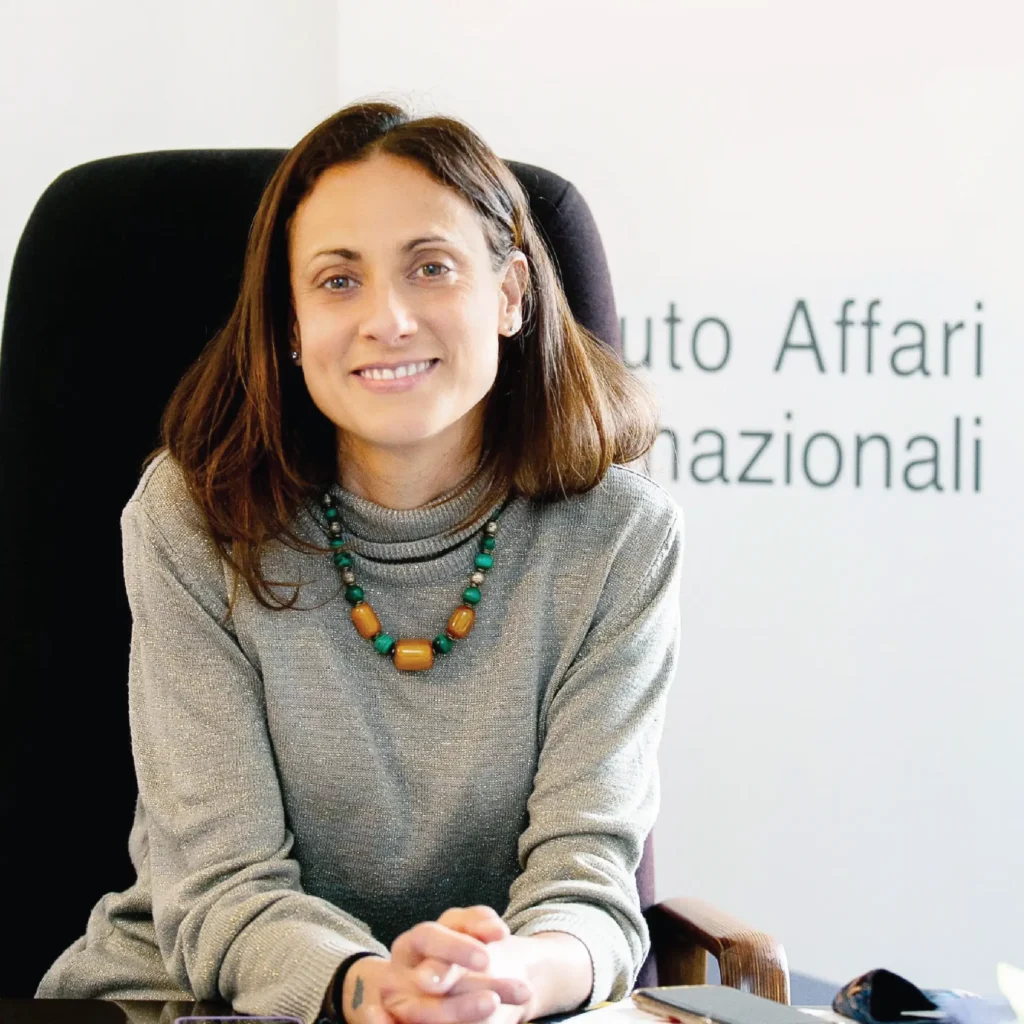
Nathalie Tocci
Director, IAI – the Institute of International Affairs
Elzbieta Bienkowska
Chairwoman of the CEPS Board, CEPS board of directors
Nadia Calviño
President, the European Investment Bank Group
Steven Blockmans
Moderator
Associate Senior Research Fellow and coordinator of the REUNIR project, CEPS
Andrius Kubilius
Commissioner for Defence and Space, European Commission
Sauli Niinistö
Former President of the Republic of Finland 2012-2024, President Sauli Niinistö’s office
Nathalie Tocci
Director, IAI – the Institute of International Affairs
Elzbieta Bienkowska
Chairwoman of the CEPS Board, CEPS board of directors
Nadia Calviño
President, the European Investment Bank Group
15:15 - 16:30
ROOM 206
AI and the future of work: a new division of labour
Recent developments in generative AI have helped to democratise expertise, making knowledge more accessible to a wide range of non-expert workers. Meanwhile, however, many high- and middle skilled occupations continue to experience labour shortages. This lab session will explore how such advancements in AI could be leveraged to redesign jobs and organisations, addressing skill shortages and providing new career paths. (For further background, listen to this CEPS Tech podcast episode)
With:
Enrique Fernandez-Macias, Researcher and coordinating the Employment and Skills team, Joint Research Centre
Marlene de Koning, Directorand leading the HR Tech & Digital team, PwC Netherlands
Isabelle Schömann, European Trade Union Confederation (ETUC)
Isabella Loaiza Saa, Postdoctoral Associate, MIT Sloan School of Management
Laura Nurski, Associate Research Fellow and Head of Programme on Future of Work, CEPS (moderator)