Plenary 1: Freedom of expression – a modern ‘leviathan’?
WHEN
02 March I 09:30 - 10:30
WHERE
Silver Hall
TOPICS
Freedom of expression
WHEN
02 March I 09:30 - 10:30
WHERE
Silver Hall
TOPICS
Freedom of expression
Freedom of expression is a fundamental right guaranteed to every person across the EU, enshrined by instruments from the European Convention on Human Rights to national constitutions. There is no civil right more controversial than this one, with a staggering diversity of opinions and discussions that range from ‘free speech absolutism’ to the practice of ‘doxxing’ individuals online for expressing certain beliefs. The decline of content moderation, coupled with increasing political polarisation, and alongside the prevalence of misleading content and disinformation (with much of this now being AI-generated) have all propelled this topic to the very top of the global agenda.
The European Commission has put forward new policies that will impact how freedom of expression is exercised in the EU – the Digital Services Act, the Media Freedom Act and the newly in-force Political Advertisements Regulation all have the potential to re-shape how we understand and experience freedom of speech. With the proposal to add hate speech and hate crime to the list of ‘Eurocrimes’, which would result in a common criminal definition for each of these concepts, now is the perfect time to thoroughly unpack where the freedom of expression ends and hate speech begins.
This plenary session provides a platform for a constructive, facts-based conversation on what freedom of speech means and what it does not, as well as how and when it can or cannot be restricted. In addition, the panel explores what should be done at EU level to deliver a healthier information space that upholds fundamental rights and the democratic rule of law.
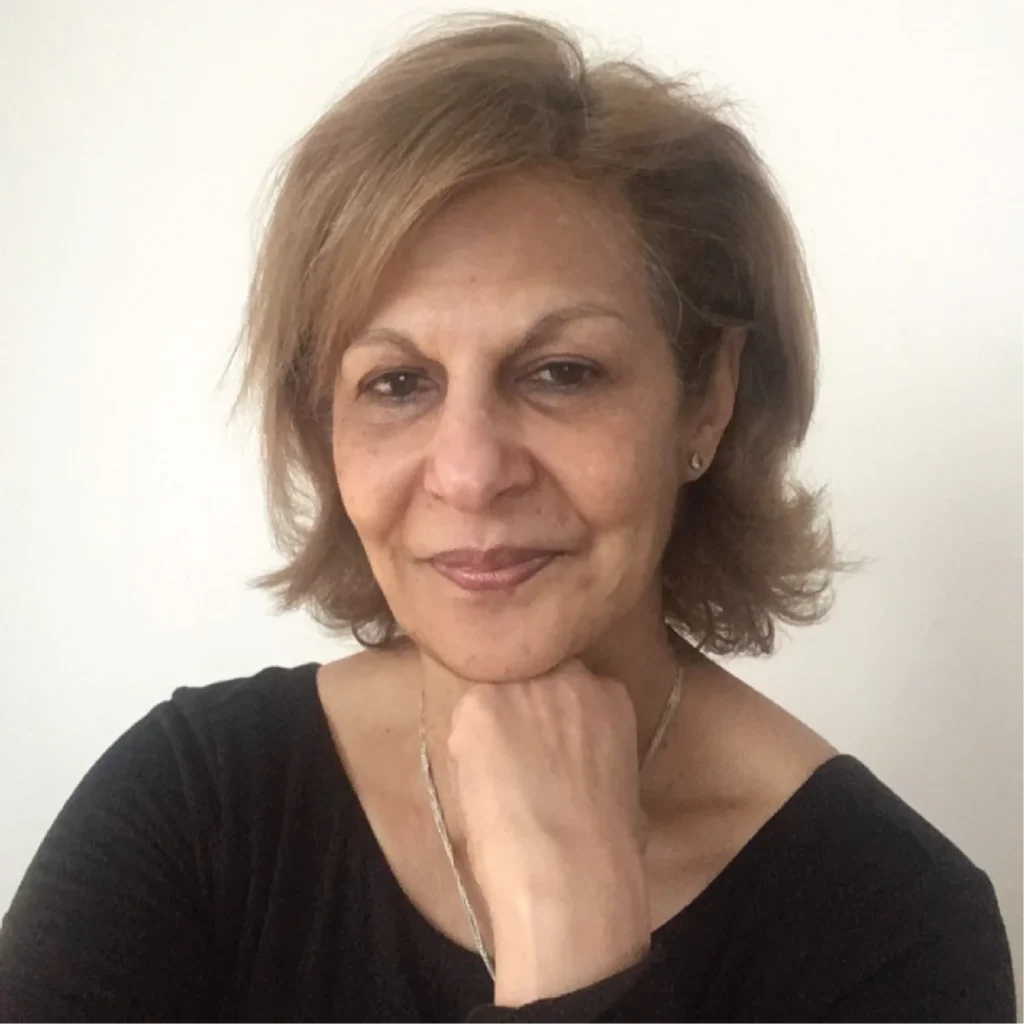
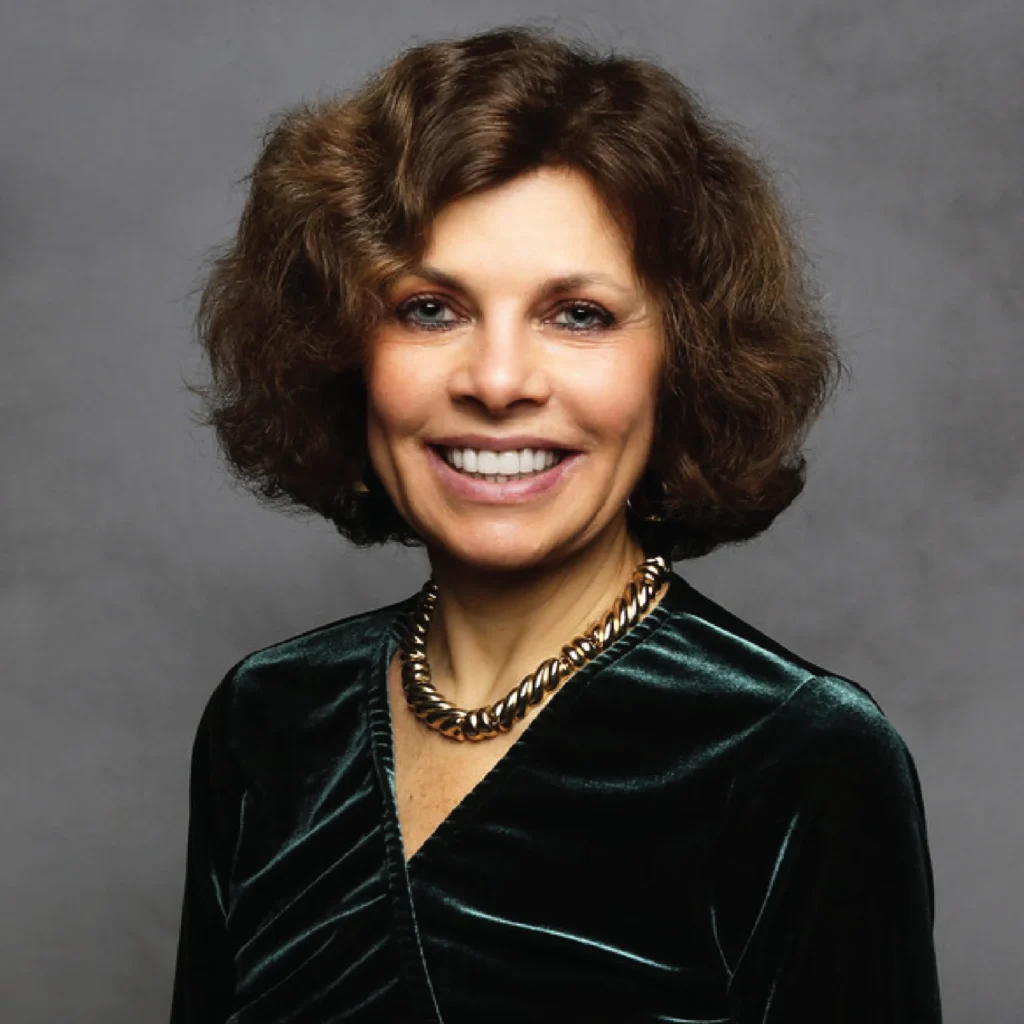
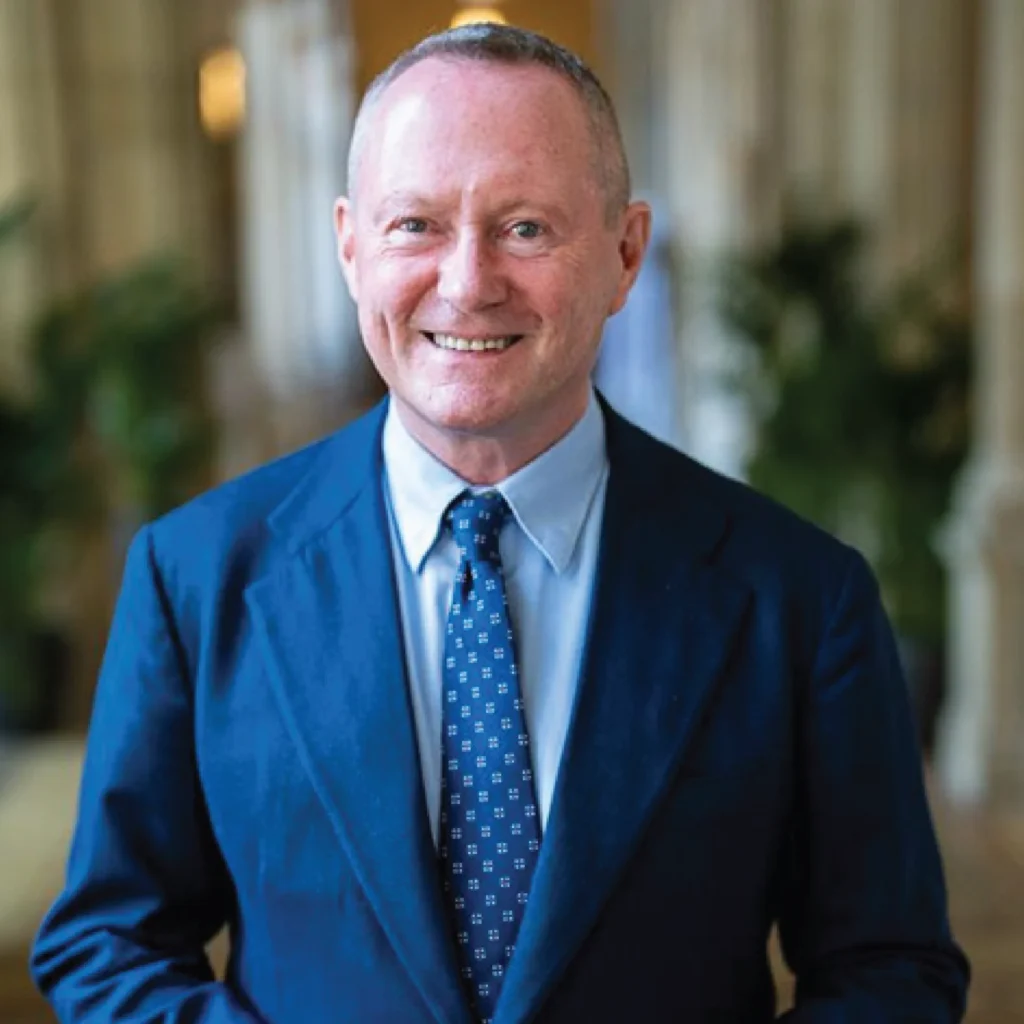
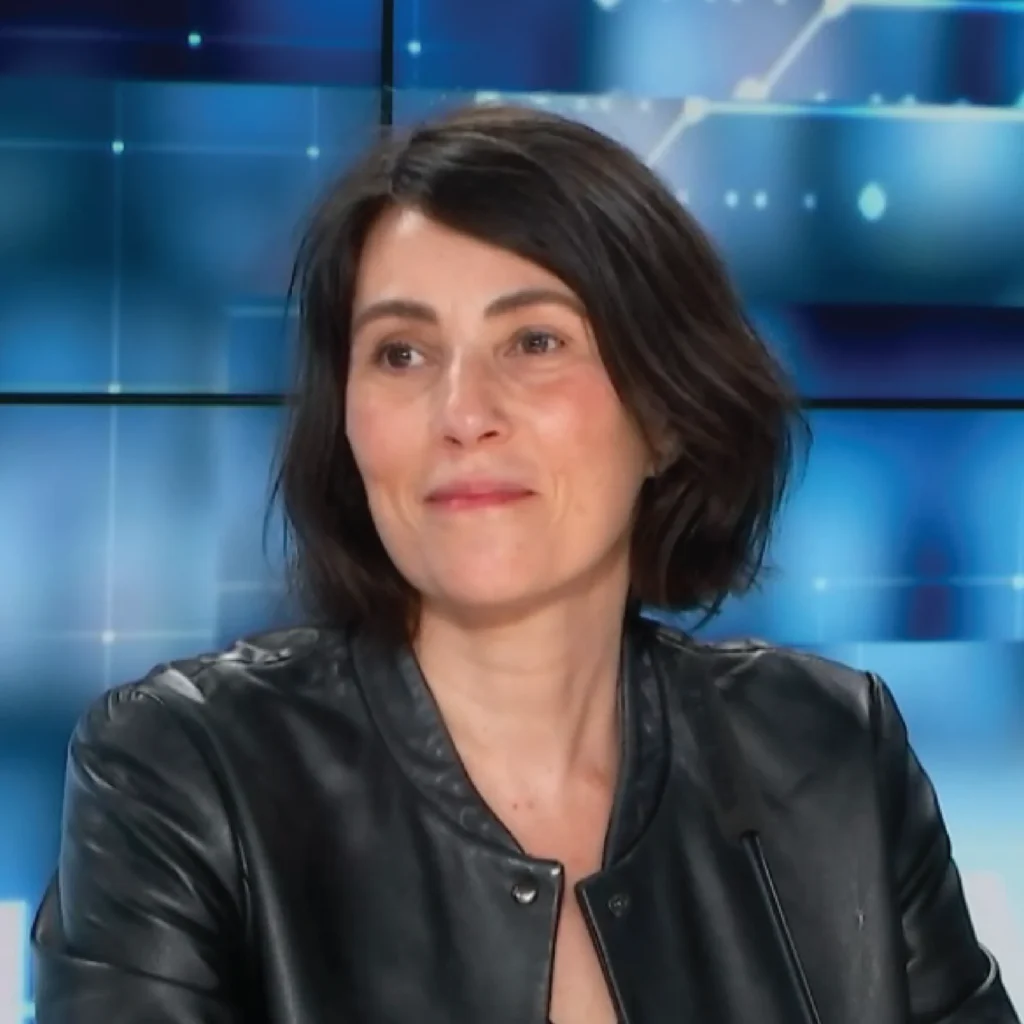
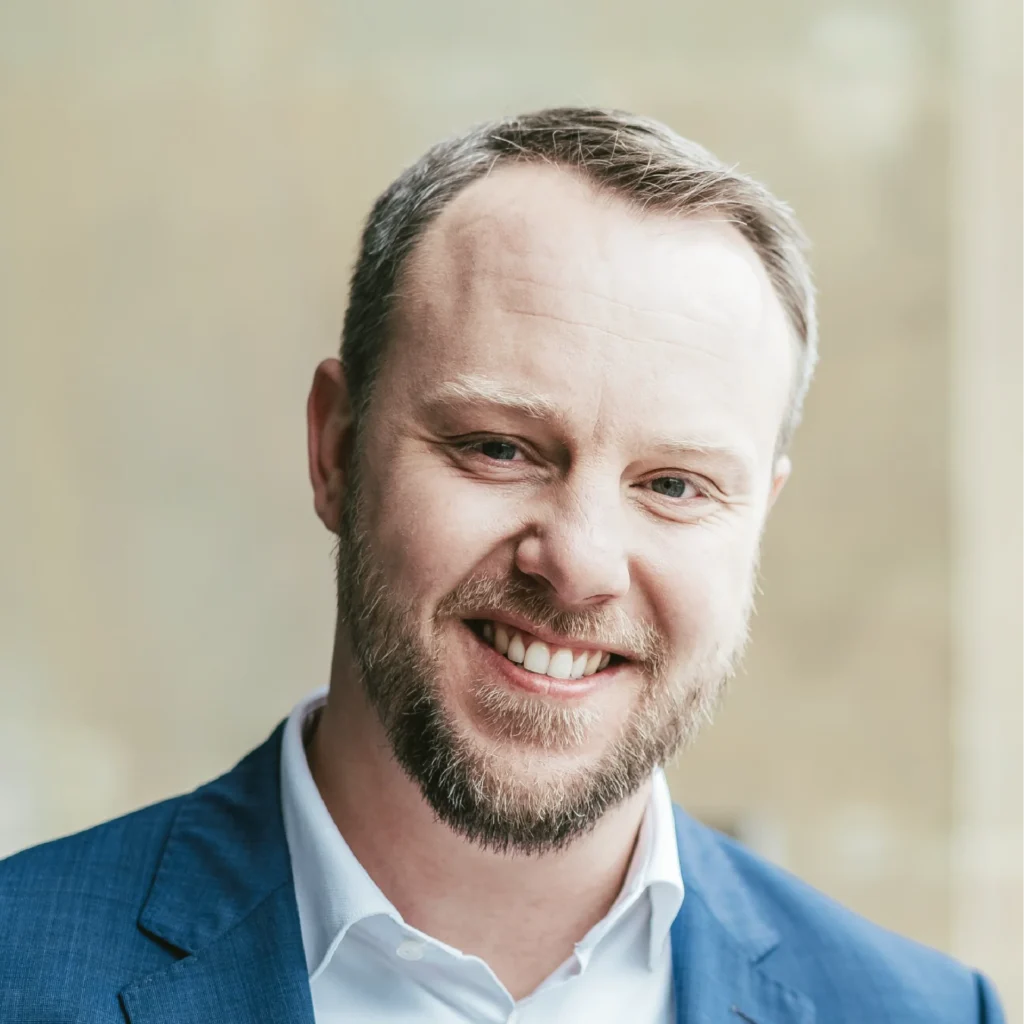
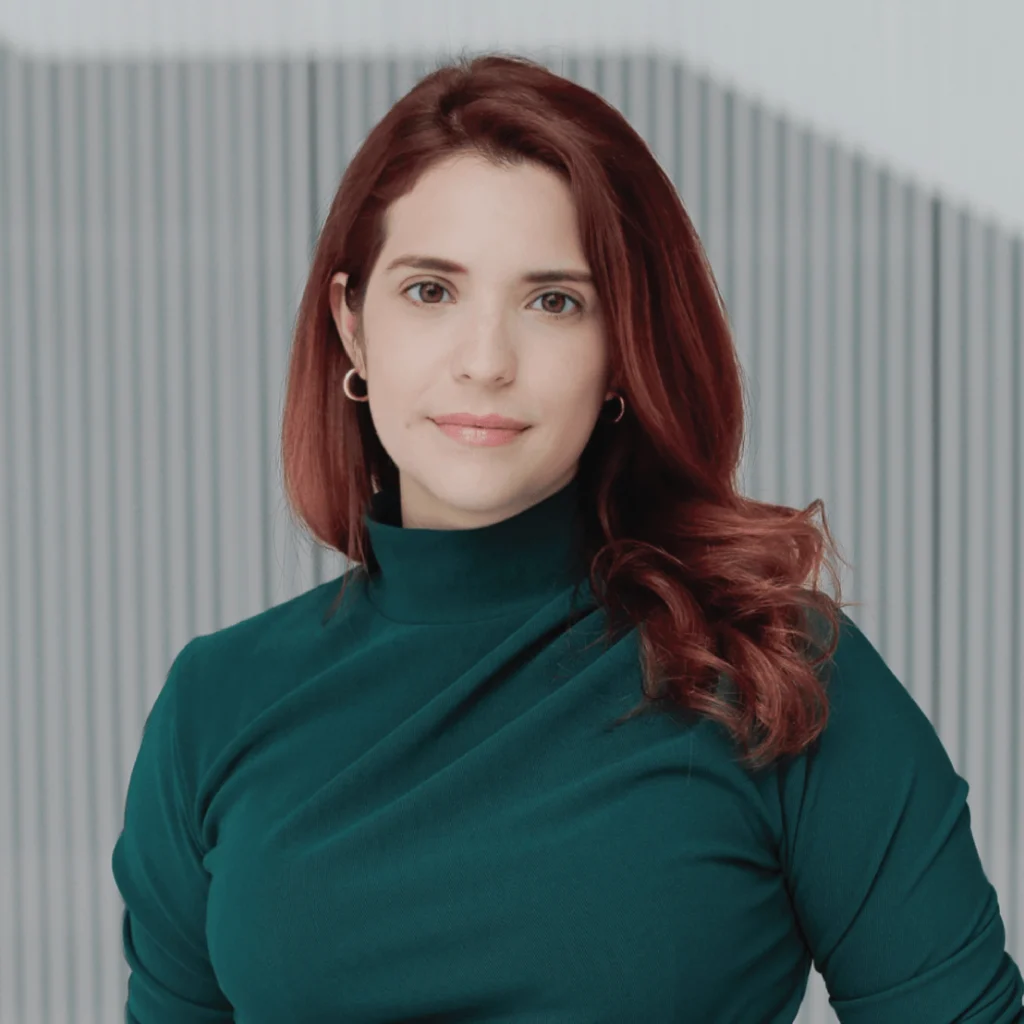
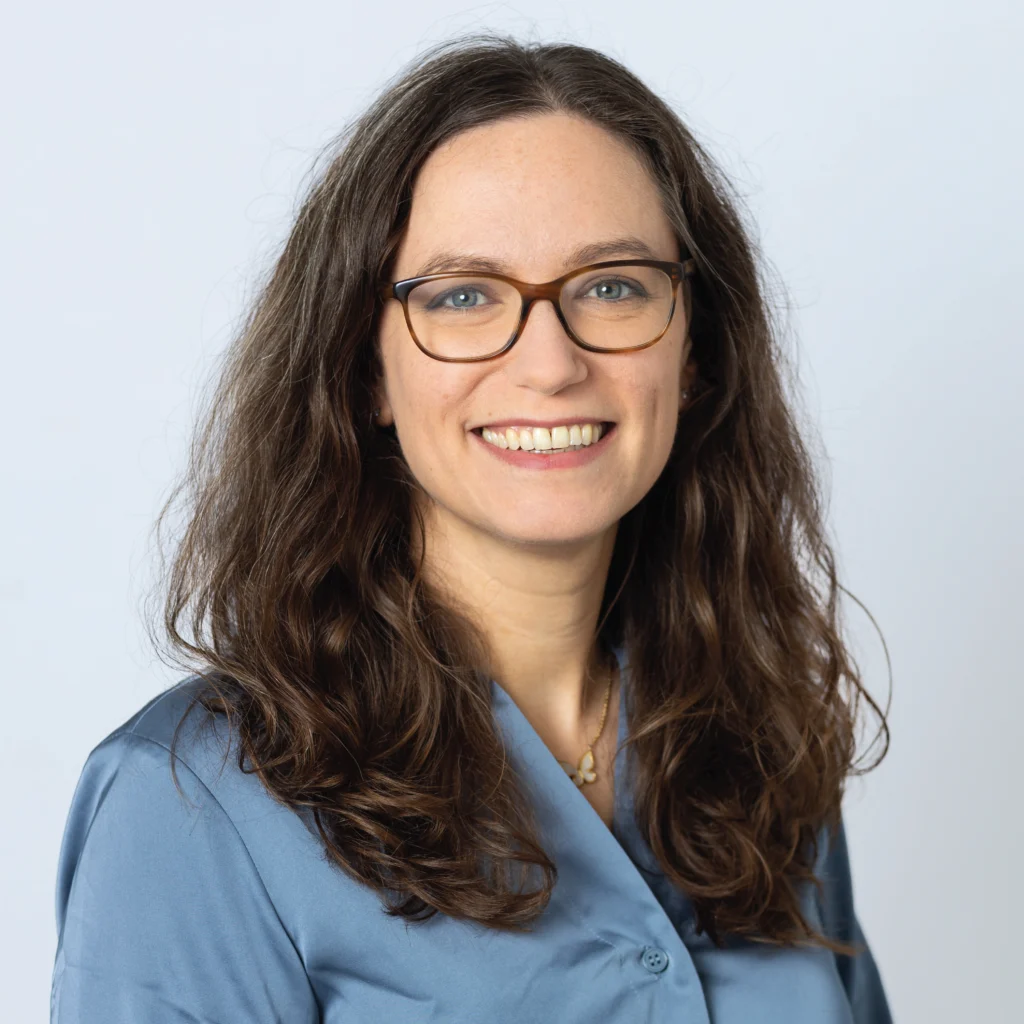
Speakers
Shada Islam
Moderator
Founder, The New Horizons Project
Nadine Strossen
John Marshall Harlan II Professor of Law Emerita, New York Law School
Michael O’Flaherty
Commissioner for Human Rights, Council of Europe
Julie Majerczak
Head of Brussels Office, Reporters Without Borders (RSF)
Daniel Freund
MEP, Founder of the Anti-Corruption Intergroup
Shada Islam
Moderator
Founder, The New Horizons Project
Nadine Strossen
John Marshall Harlan II Professor of Law Emerita, New York Law School
Michael O’Flaherty
Commissioner for Human Rights, Council of Europe
Julie Majerczak
Head of Brussels Office, Reporters Without Borders (RSF)
Daniel Freund
Founder of the Anti-Corruption Intergroup
15:15 - 16:30
ROOM 206
AI and the future of work: a new division of labour
Recent developments in generative AI have helped to democratise expertise, making knowledge more accessible to a wide range of non-expert workers. Meanwhile, however, many high- and middle skilled occupations continue to experience labour shortages. This lab session will explore how such advancements in AI could be leveraged to redesign jobs and organisations, addressing skill shortages and providing new career paths. (For further background, listen to this CEPS Tech podcast episode)
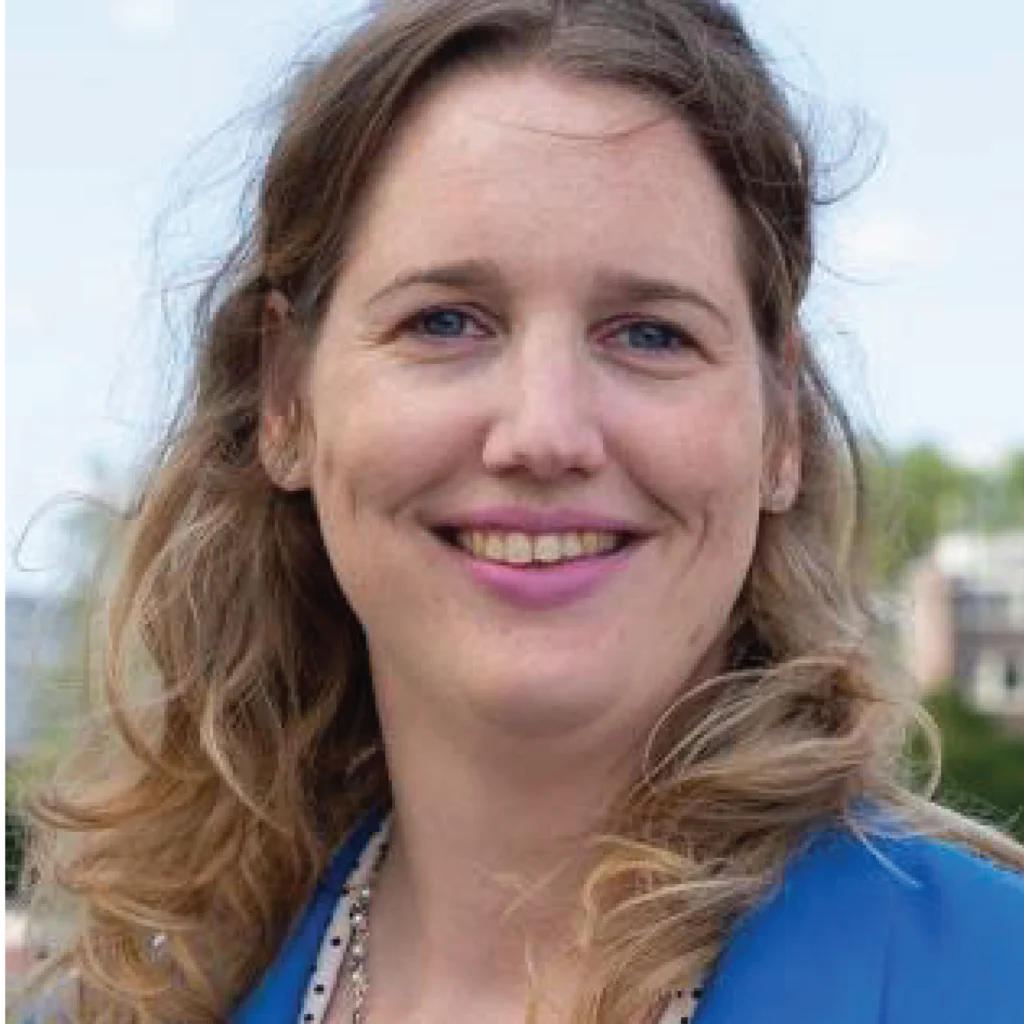
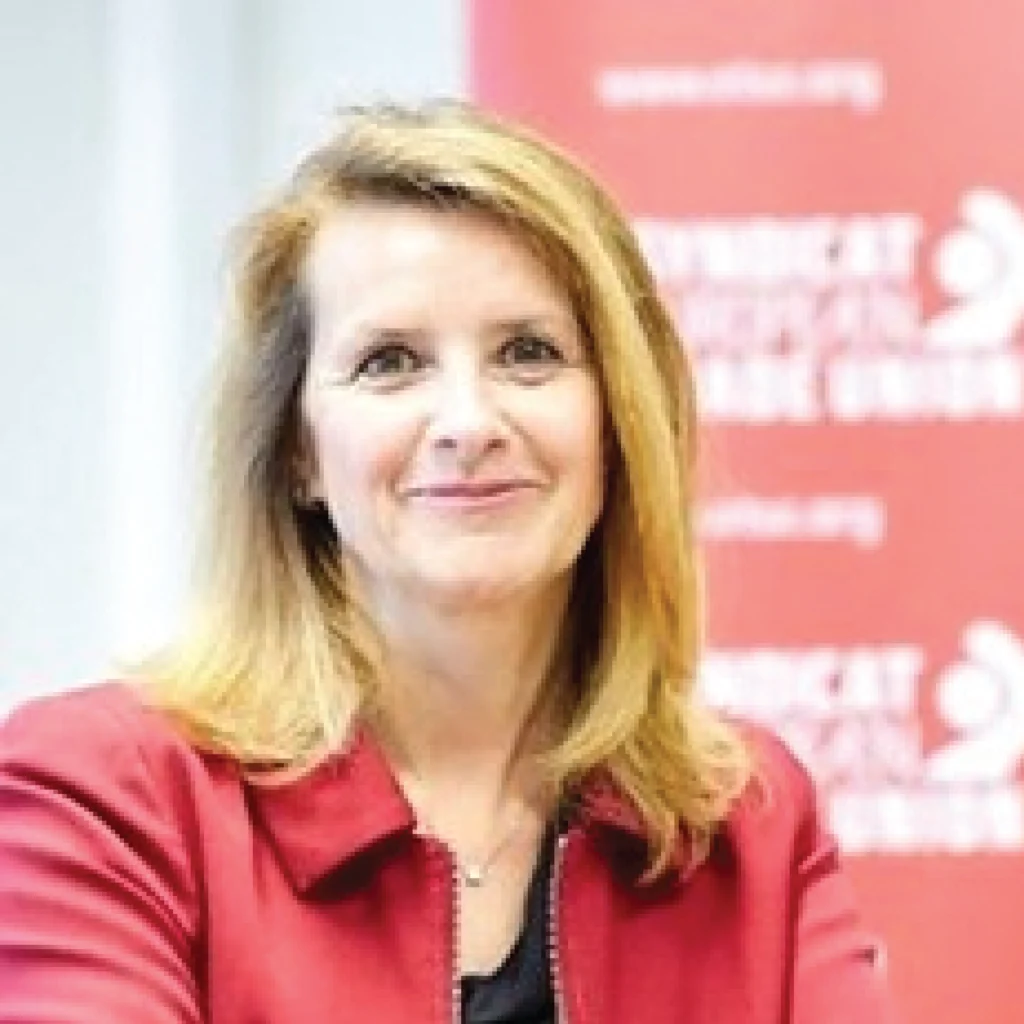
With:
Enrique Fernandez-Macias, Researcher and coordinating the Employment and Skills team, Joint Research Centre
Marlene de Koning, Directorand leading the HR Tech & Digital team, PwC Netherlands
Isabelle Schömann, European Trade Union Confederation (ETUC)
Isabella Loaiza Saa, Postdoctoral Associate, MIT Sloan School of Management
Laura Nurski, Associate Research Fellow and Head of Programme on Future of Work, CEPS (moderator)