How to unlock European leadership in the quantum computing domain?
WHEN
03 March I 11:15 - 12:30
WHERE
Room 204
TOPICS
Quantum computing
WHEN
03 March I 11:15 - 12:30
WHERE
Room 204
TOPICS
Quantum Computing
Quantum technologies are rapidly shifting from frontier science to a key determinant of economic competitiveness and security. The 2025 EU Quantum Strategy has already shown that to remain a relevant player the EU must build a resilient and sovereign quantum ecosystem; translate research into market-ready capabilities; scale infrastructure, skills and applications; and increase demand for quantum technologies.
However, Europe’s posture remains fragmented in governance, scarce in investment from the private sector and too experimental when it comes to adoption. With the publication of the EU Quantum Act scheduled for the first half of 2026, the EU has a chance to stand up to the challenge and close these gaps, translating strategy into action, vulnerabilities into points of reflection and paving the way to translate strategy into action. or market acceleration.
This Lab session discusses how Europe can leverage its current capacities in quantum computing for EU strategic autonomy. The panel addresses key structural challenges in the quantum sphere, including the crucial issue of investment.
Speakers
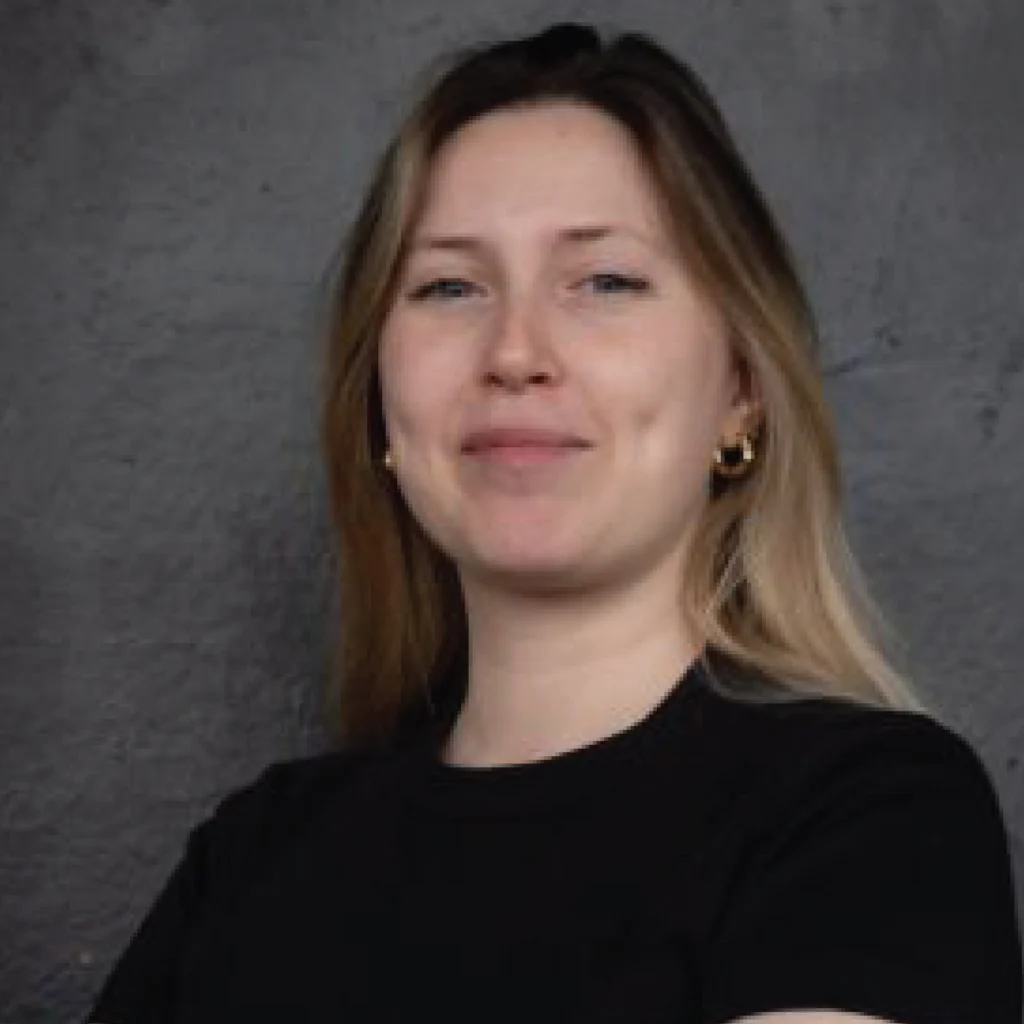
Andrea Rodriguez
Moderator
Associate Research Fellow, CEPS
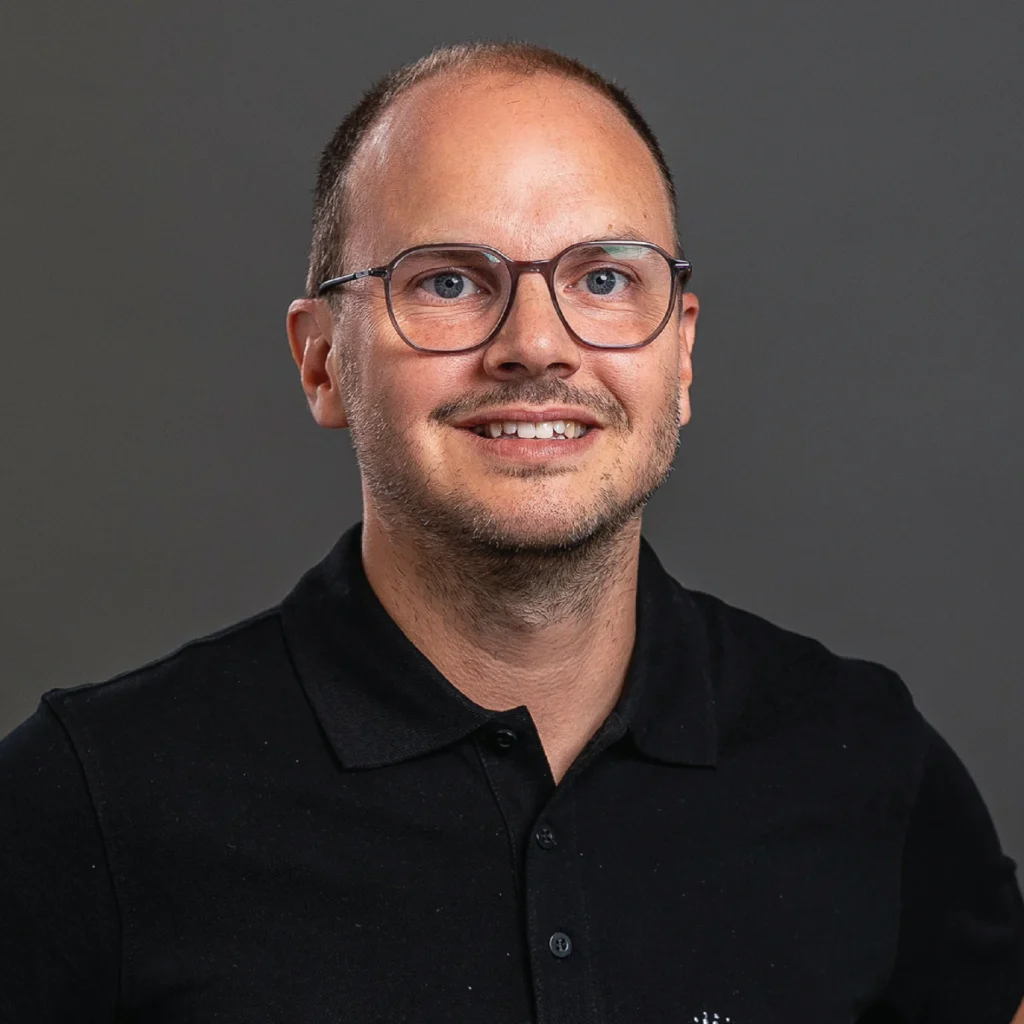
Helmut G. Katzgraber
General Manager, 55North
Axel Voss
MEP, EPP
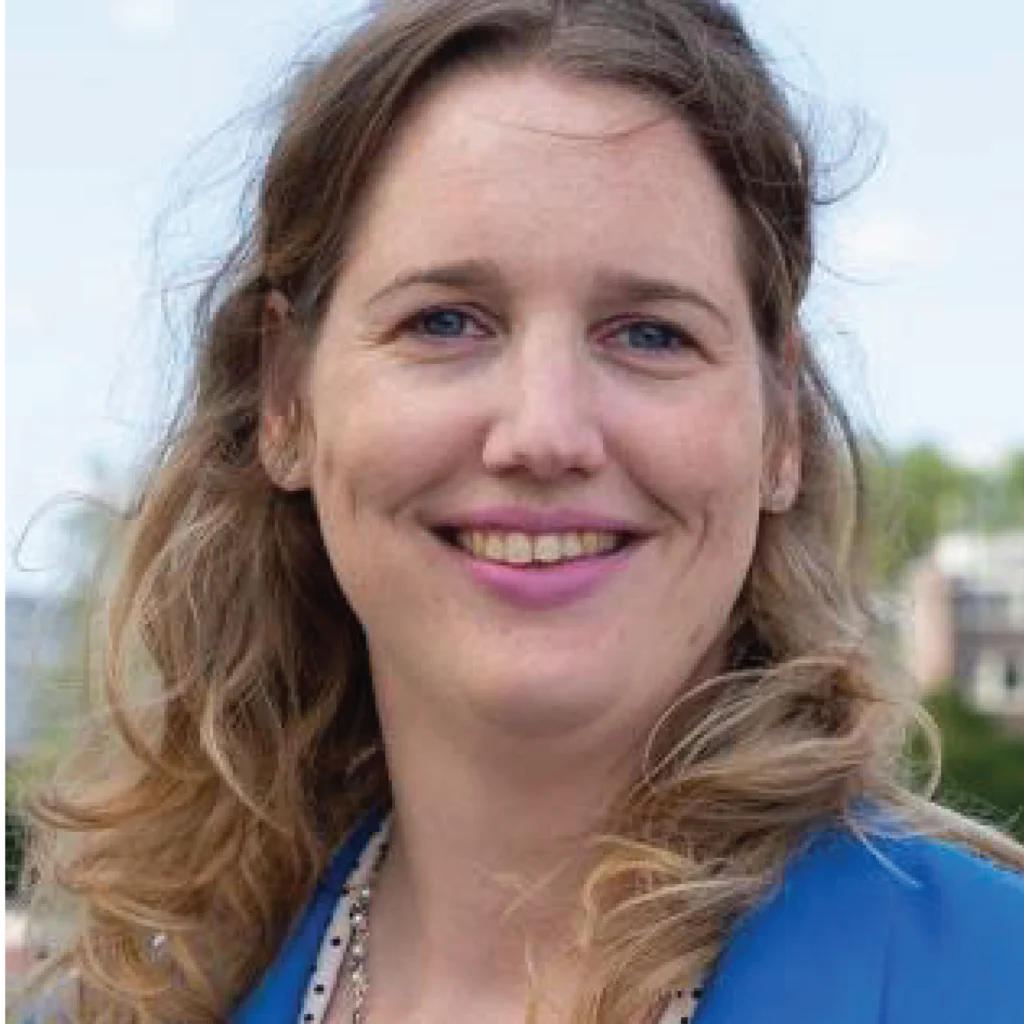
Ebba Carbonnier
CEO, QuNorth Quantum Life Science Karolinska
Alexander Glätze
CEO, Planqc
Andrea Rodriguez
Moderator
Associate Research Fellow, CEPS
Helmut G. Katzgraber
General Manager, 55North
Axel Voss
MEP, EPP
Ebba Carbonnier
CEO, QuNorth Quantum Life Science Karolinska
Alexander Glätze
CEO, Planqc
15:15 - 16:30
ROOM 206
AI and the future of work: a new division of labour
Recent developments in generative AI have helped to democratise expertise, making knowledge more accessible to a wide range of non-expert workers. Meanwhile, however, many high- and middle skilled occupations continue to experience labour shortages. This lab session will explore how such advancements in AI could be leveraged to redesign jobs and organisations, addressing skill shortages and providing new career paths. (For further background, listen to this CEPS Tech podcast episode)
With:
Enrique Fernandez-Macias, Researcher and coordinating the Employment and Skills team, Joint Research Centre
Marlene de Koning, Directorand leading the HR Tech & Digital team, PwC Netherlands
Isabelle Schömann, European Trade Union Confederation (ETUC)
Isabella Loaiza Saa, Postdoctoral Associate, MIT Sloan School of Management
Laura Nurski, Associate Research Fellow and Head of Programme on Future of Work, CEPS (moderator)