Global Gateway: critical raw materials, connectivity and Europe’s strategic choices
WHEN
02 March I 13:45 - 15:00
WHERE
Room 206
TOPICS
Global Gateway
WHEN
02 March I 13:45 - 15:00
WHERE
Room 206
TOPICS
Global Gateway
Securing access to critical raw materials (CRM) has become a central priority for Europe’s green transition, industrial competitiveness and climate ambitions. Global Gateway’s flagship initiatives reflect an effort to combine responsible extraction, regional integration and local value creation with more resilient supply chains for Europe. These include the G7-backed Lobito Corridor, which links Central African copper belts to Atlantic ports, as well as CRM partnerships in Central Asia and value chain development for lithium and copper in Chile and Argentina.
By financing connectivity, strengthening production capacity and lowering barriers to market access, European investments can support development and climate objectives and, in principle, open markets and supply relationships for Europe.
This Lab session offers a first assessment of how Global Gateway projects are contributing to improved access to CRM. What are their short- and medium-term prospects? And how successful are they in striking the balance between open, respectful, eye-to-eye partnerships and safeguarding Europe’s interests in an increasingly competitive global environment? Our panel also addresses the potential interaction between EU connectivity engagement and rival actors.
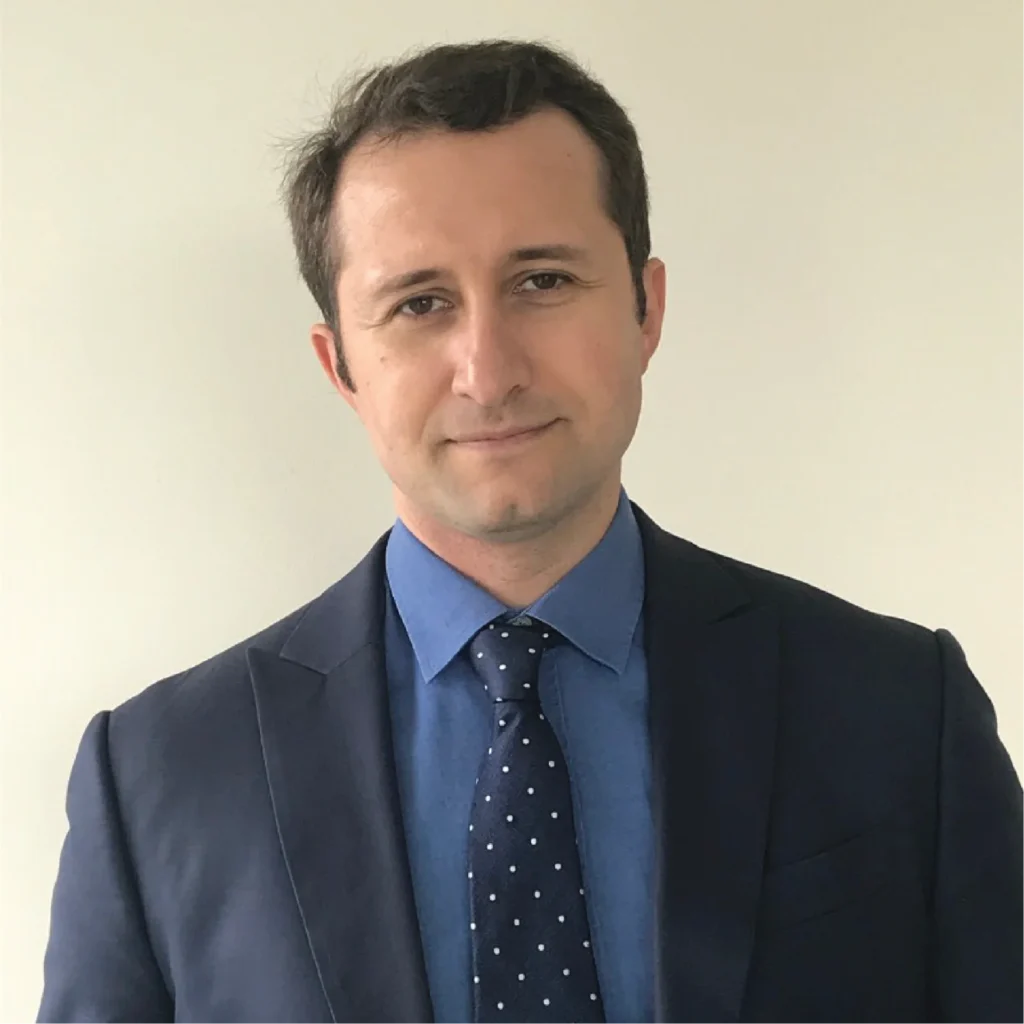
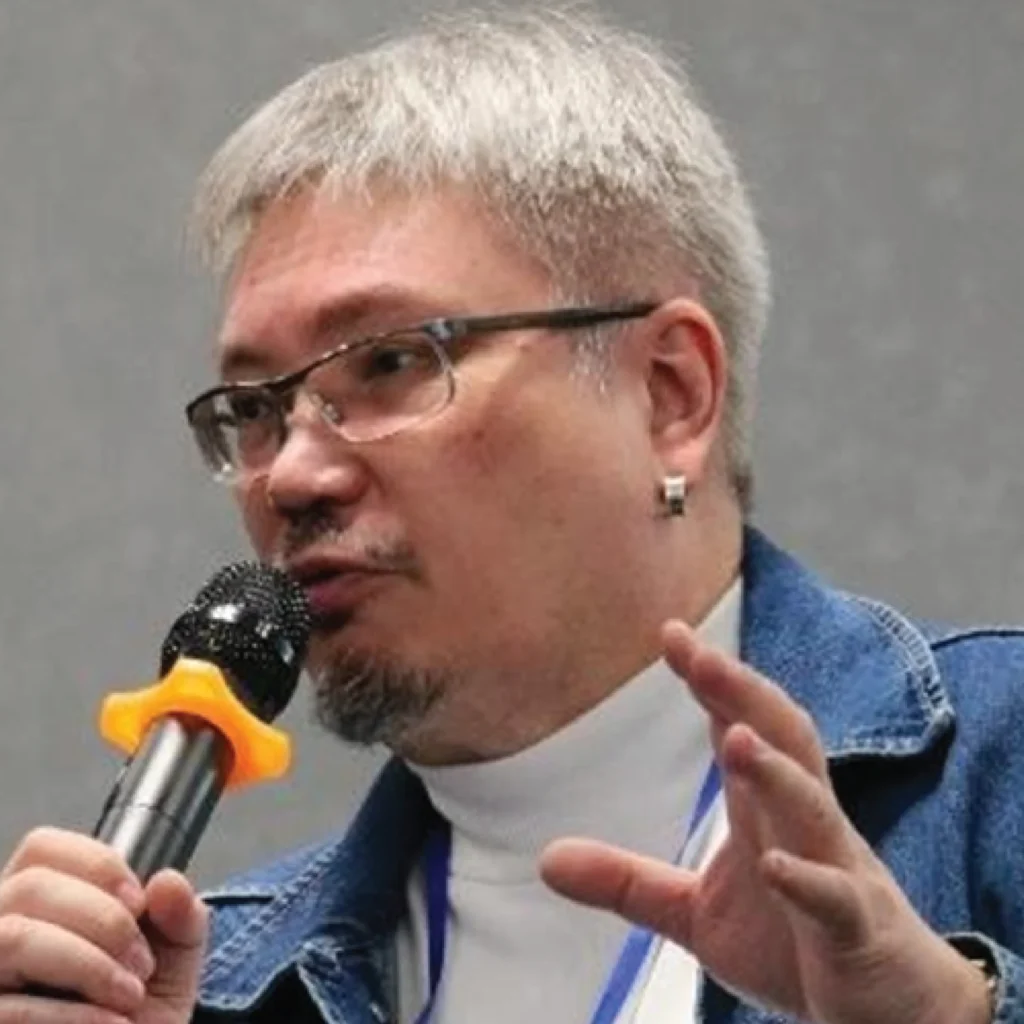
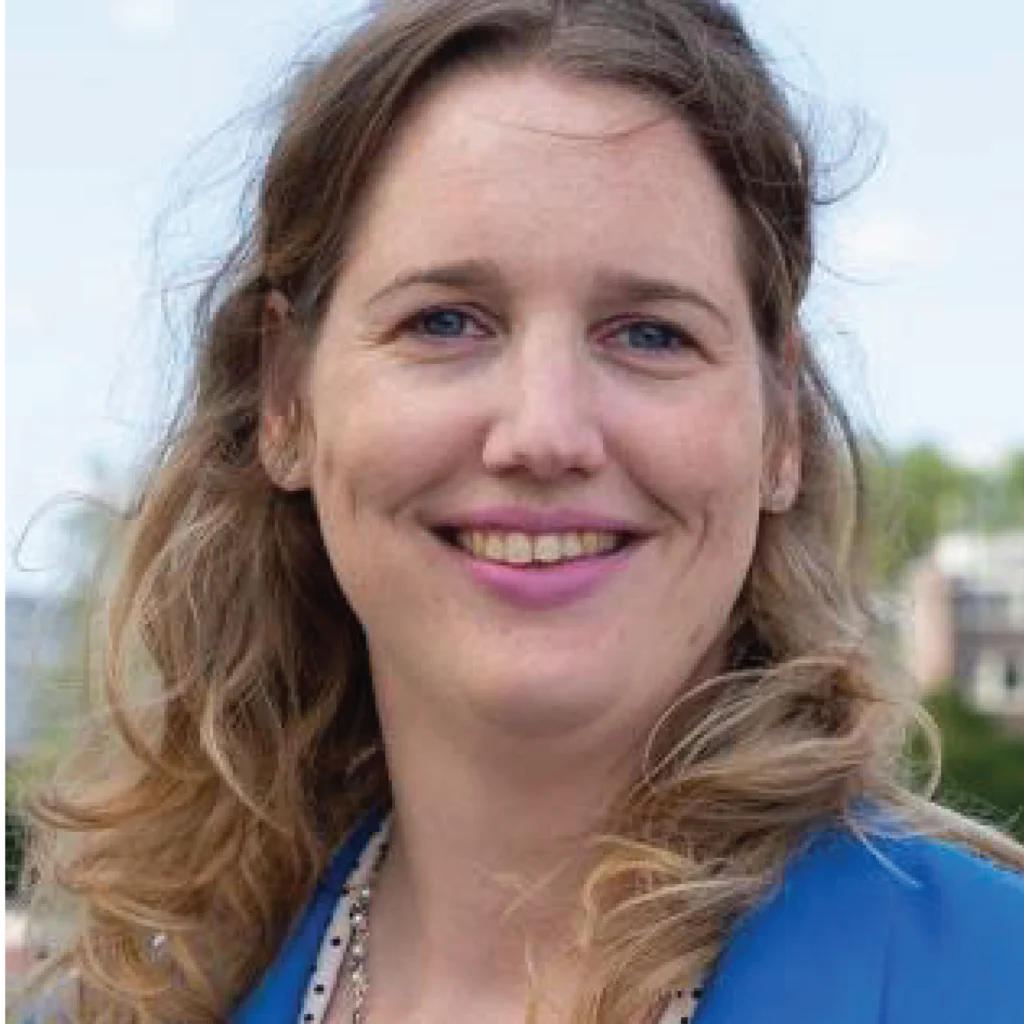
Speakers
Olaf Wientzek
Moderator
Head of the Multinational Development Policy Dialogue, Founder and Head of the Geneva Office, and Research Associate & Coordinator for European Policy, KAS
Hildegard Bentele
MEP, European Parliament
Danila Bekturganov
Director and founder of NGO Civil Expertise
Jean-Pierre Mpiana Tshitenge
Sociologist and research fellow at the University of Kinshasa in the Democratic Republic of Congo
Juan Biset
Former Undersecretary of Mining Policy and Mining Sustainability of Argentina, Secretary of the Federal Mining Council, and of the Chile-Argentina Mining Integration Treaty
Olaf Wientzek
Moderator
Head of the Multinational Development Policy Dialogue, Founder and Head of the Geneva Office, and Research Associate & Coordinator for European Policy, KAS
Hildegard Bentele
MEP, European Parliament
Danila Bekturganov
Director and founder of NGO Civil Expertise
Jean-Pierre Mpiana Tshitenge
Sociologist and research fellow at the University of Kinshasa in the Democratic Republic of Congo
Juan Biset
Former Undersecretary of Mining Policy and Mining Sustainability of Argentina, Secretary of the Federal Mining Council, and of the Chile-Argentina Mining Integration Treaty
15:15 - 16:30
ROOM 206
AI and the future of work: a new division of labour
Recent developments in generative AI have helped to democratise expertise, making knowledge more accessible to a wide range of non-expert workers. Meanwhile, however, many high- and middle skilled occupations continue to experience labour shortages. This lab session will explore how such advancements in AI could be leveraged to redesign jobs and organisations, addressing skill shortages and providing new career paths. (For further background, listen to this CEPS Tech podcast episode)
With:
Enrique Fernandez-Macias, Researcher and coordinating the Employment and Skills team, Joint Research Centre
Marlene de Koning, Directorand leading the HR Tech & Digital team, PwC Netherlands
Isabelle Schömann, European Trade Union Confederation (ETUC)
Isabella Loaiza Saa, Postdoctoral Associate, MIT Sloan School of Management
Laura Nurski, Associate Research Fellow and Head of Programme on Future of Work, CEPS (moderator)