From signature to standstill: what future for the EU-Mercosur agreement?
WHEN
03 March I 11:15 - 12:30
WHERE
Room 206
TOPICS
Trade
WHEN
03 March I 11:15 - 12:30
WHERE
Room 206
TOPICS
Trade
The EU-Mercosur agreement has entered a new and uncertain phase. Although it was formally signed on 17 January 2026, the European Parliament’s decision to refer the deal to the European Court of Justice for legal checks effectively freezes the ratification process, with the final ruling potentially taking up to two years.
In this Lab session, policymakers, economists and stakeholders from both the EU and Mercosur discuss what lies ahead: Is provisional application of the agreement a legally and politically viable option? What does this prolonged impasse mean for the future of EU-Mercosur relations? What are the broader strategic implications for EU trade policy at a time of heightened geopolitical competition, shifting alliances and supply chain reconfiguration?
Speakers
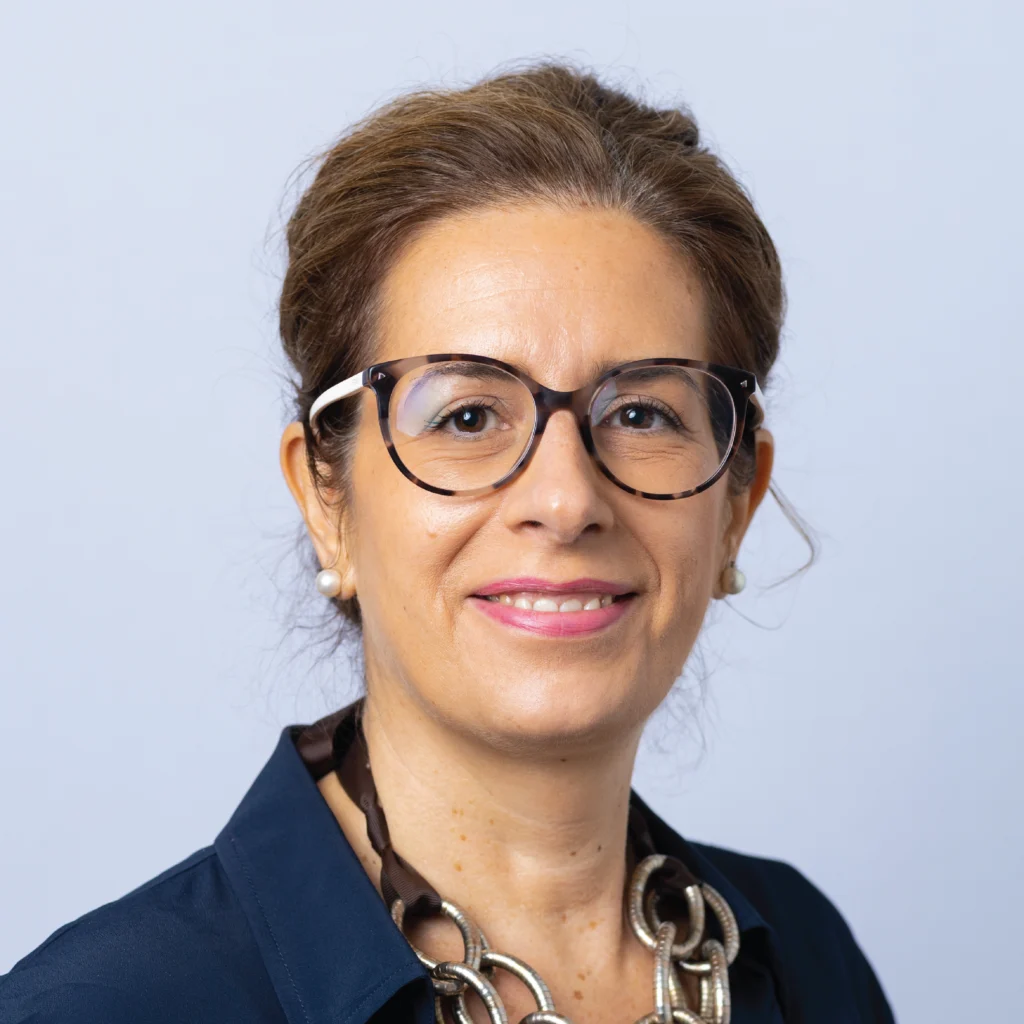
Cinzia Alcidi
Moderator
Senior Research Fellow and Head of the Economic Policy and Jobs & Skills Units, CEPS
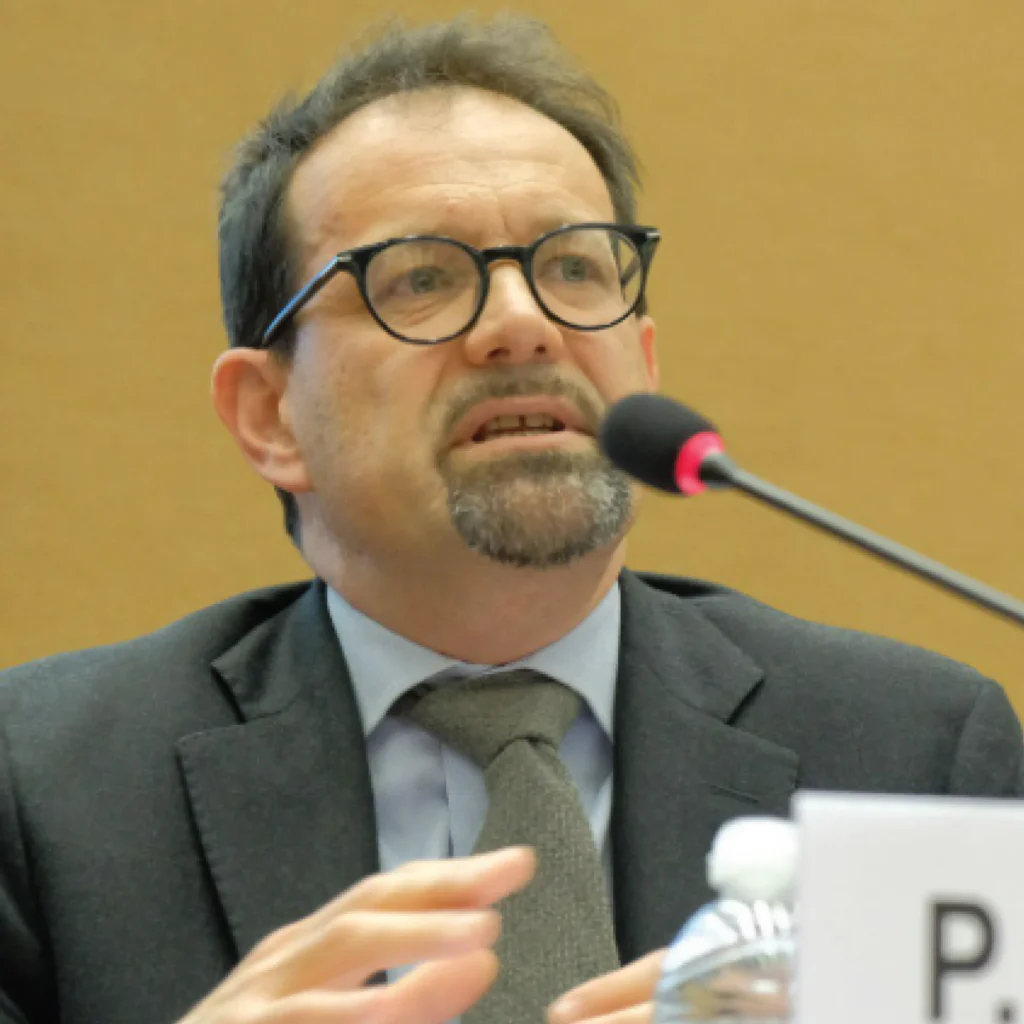
Paolo Garzotti
MERCOSUR negotiator, DG Trade, European Commission
Eleonora Catella
Deputy Director at Business Europe
Pedro Miguel da Costa e Silva
Ambassador of Brazil to the EU , Embassy of Brazil to the EU
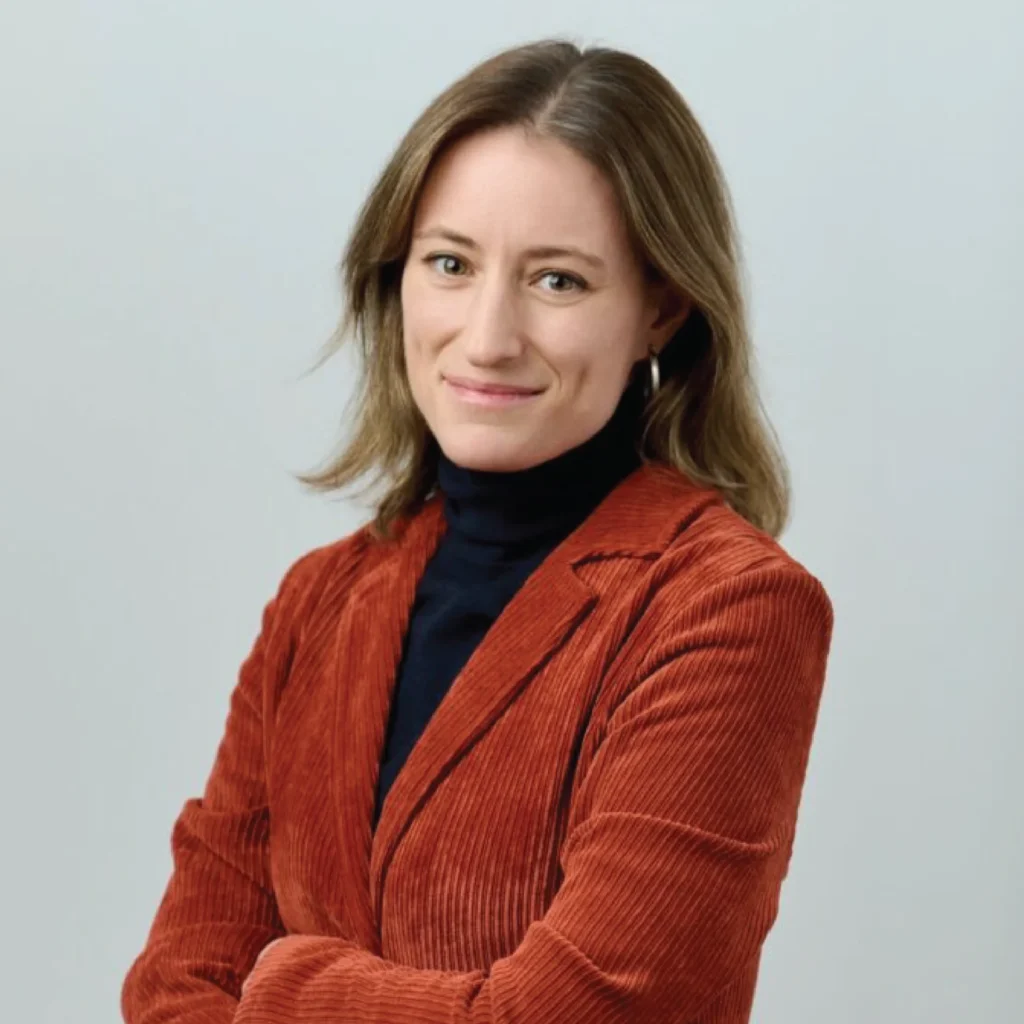
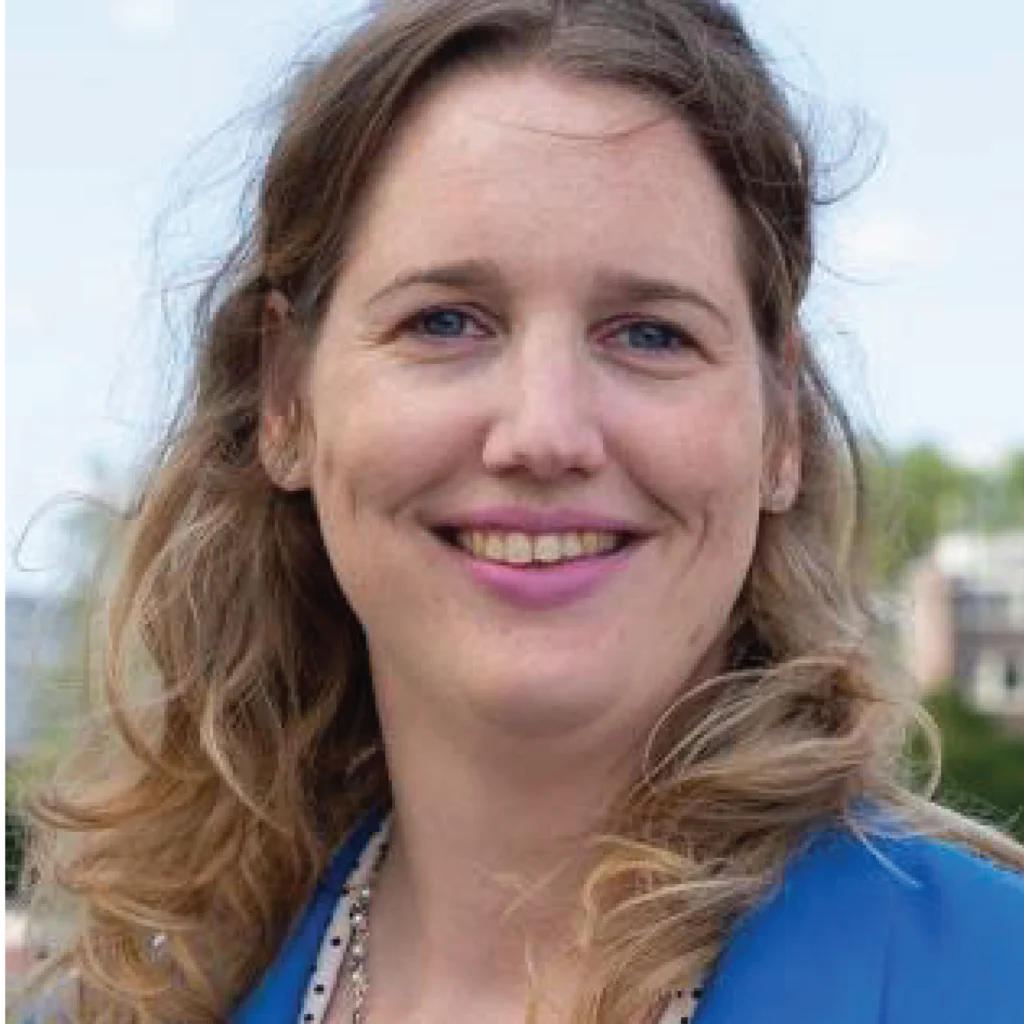
Mariana Fleischhauer
Economist, Manager of Representation Offices at Fundação Getulio Vargas in Europe, FGV Europe.
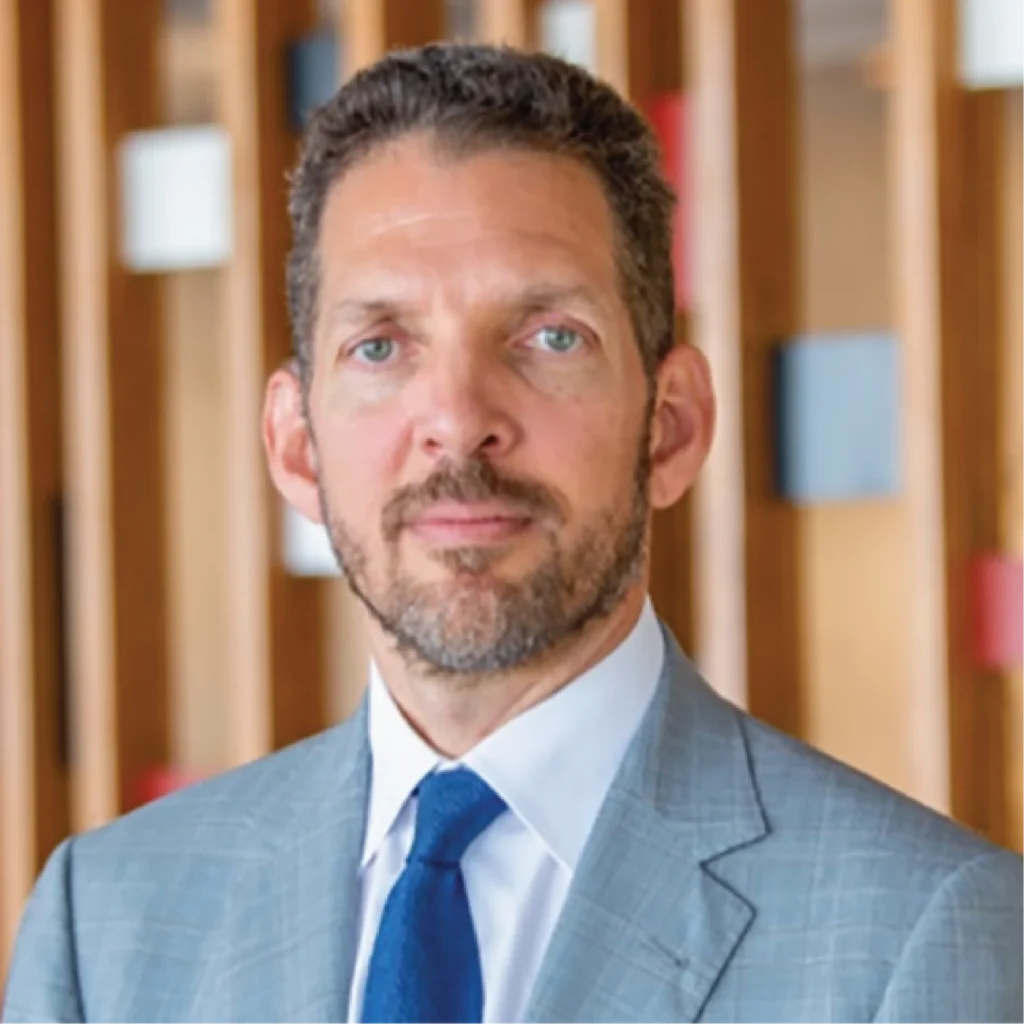
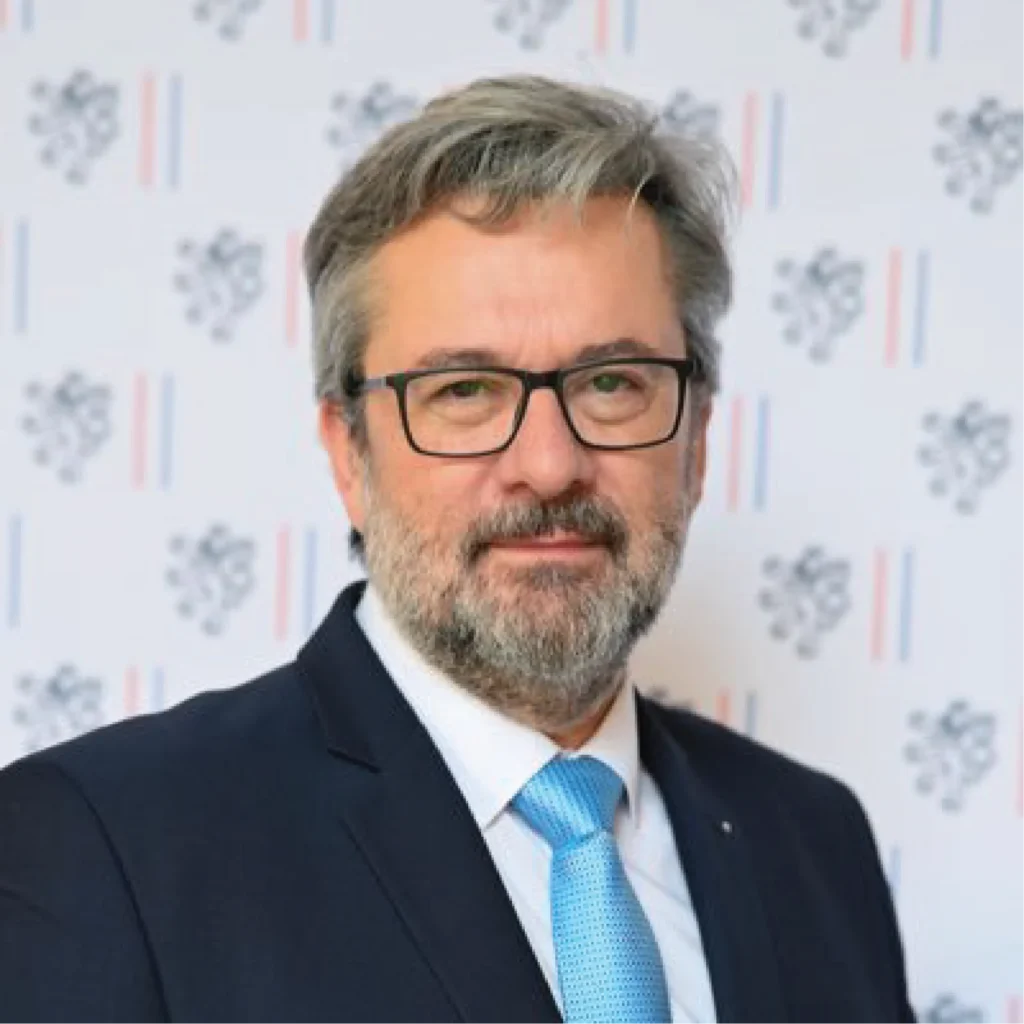
Vladimír Bärtl
H E, Ambassador, Permanent Representative of the Czech Republic to the EU
Cinzia Alcidi
Moderator
Senior Research Fellow and Head of the Economic Policy and Jobs & Skills Units, CEPS
Paolo Garzotti
MERCOSUR negotiator, DG Trade, European Commission
Eleonora Catella
Deputy Director at Business Europe
Pedro Miguel da Costa e Silva
Ambassador of Brazil to the EU , Embassy of Brazil to the EU
Mariana Fleischhauer
Economist, Manager of Representation Offices at Fundação Getulio Vargas in Europe, FGV Europe.
Vladimír Bärtl
H E, Ambassador, Permanent Representative of the Czech Republic to the EU
15:15 - 16:30
ROOM 206
AI and the future of work: a new division of labour
Recent developments in generative AI have helped to democratise expertise, making knowledge more accessible to a wide range of non-expert workers. Meanwhile, however, many high- and middle skilled occupations continue to experience labour shortages. This lab session will explore how such advancements in AI could be leveraged to redesign jobs and organisations, addressing skill shortages and providing new career paths. (For further background, listen to this CEPS Tech podcast episode)
With:
Enrique Fernandez-Macias, Researcher and coordinating the Employment and Skills team, Joint Research Centre
Marlene de Koning, Directorand leading the HR Tech & Digital team, PwC Netherlands
Isabelle Schömann, European Trade Union Confederation (ETUC)
Isabella Loaiza Saa, Postdoctoral Associate, MIT Sloan School of Management
Laura Nurski, Associate Research Fellow and Head of Programme on Future of Work, CEPS (moderator)