From frontlines to forums – amplifying climate voices that matter
WHEN
3 March I 15:00 - 17:00
WHERE
Room 214
TOPICS
Climate, Youth
WHEN
3 March I 15:00 - 17:00
WHERE
Room 214
TOPICS
Climate, Youth
This session is by invitation only
If you’re interested in joining the discussion, please contact [email protected]
Whenever there’s climate action on the ground, young people tend to be heavily present among the throng… yet they’re not consistently heard in policy debates. This session examines how climate urgency, scientific knowledge and young peoples’ lived experience (particularly from the ‘Global South’) can be communicated effectively to policymakers, local communities and fellow climate leaders. Participants explore how to translate climate justice concerns into policy-relevant language without oversimplifying realities or tokenising frontline perspectives.
The discussion addresses key strategic questions such as: How can young leaders position themselves within institutional processes to maximise their influence? What actually makes policymakers listen? How can dominant narratives be constructively and effectively challenged without losing access to decision-making spaces? And how can climate communicators convey urgency without triggering paralysis or disengagement?
By bringing together insights from scientists, youth advocates and young climate leaders from around the globe, this session aims to provide some practical approaches for amplifying climate voices in local, national and international forums.
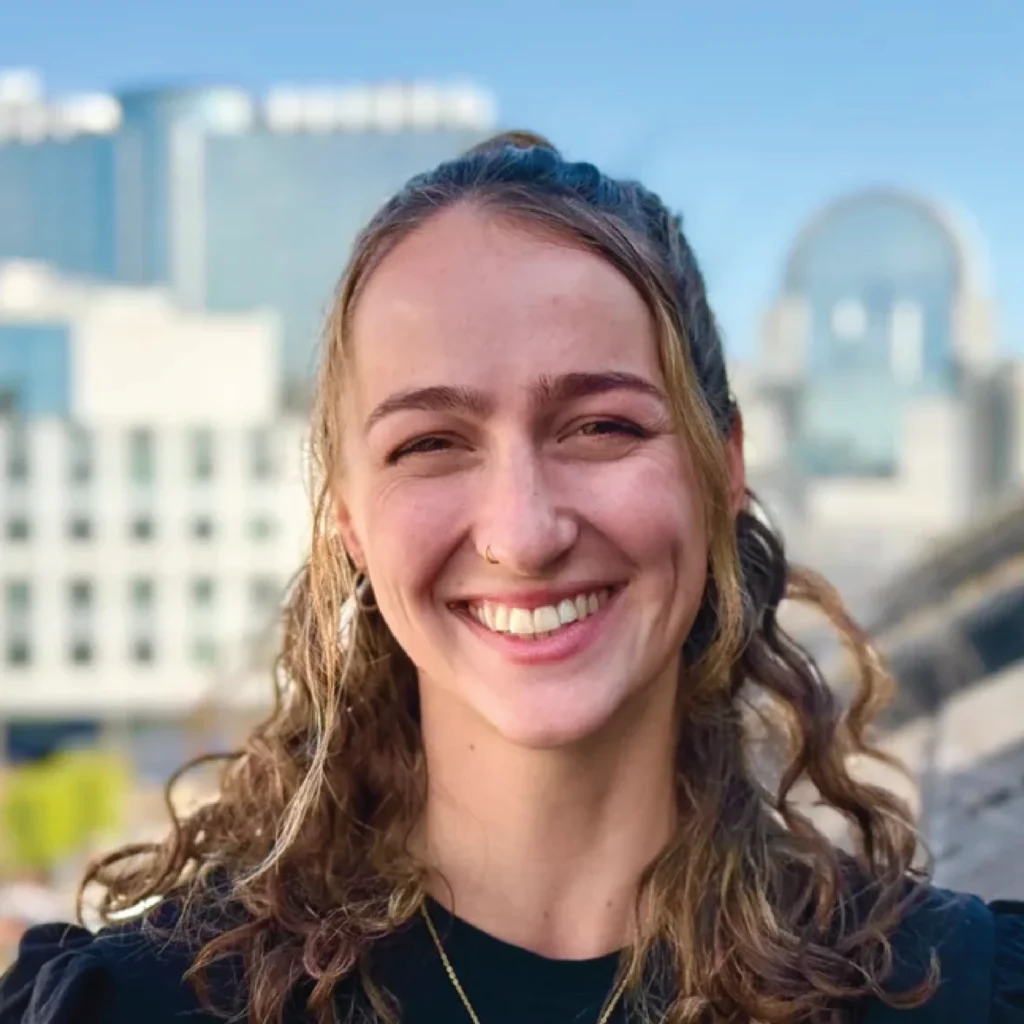
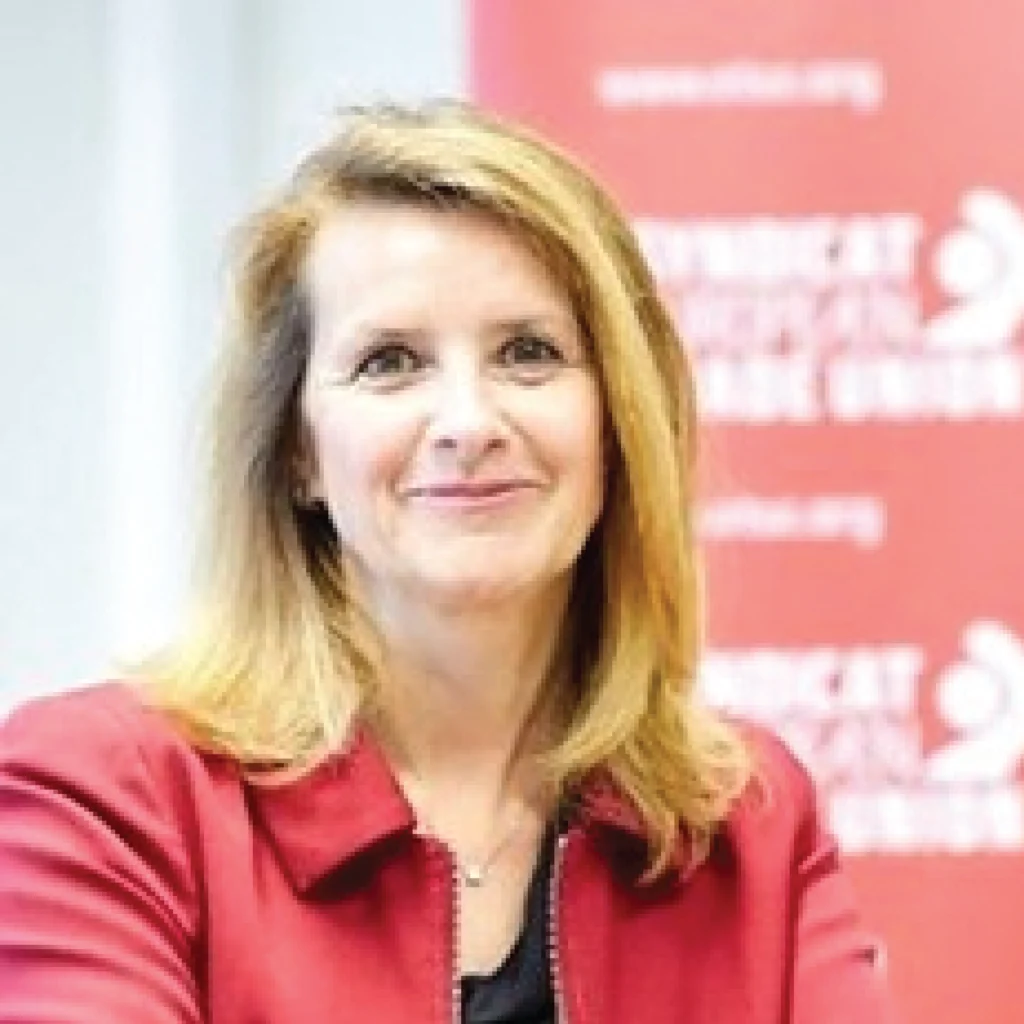
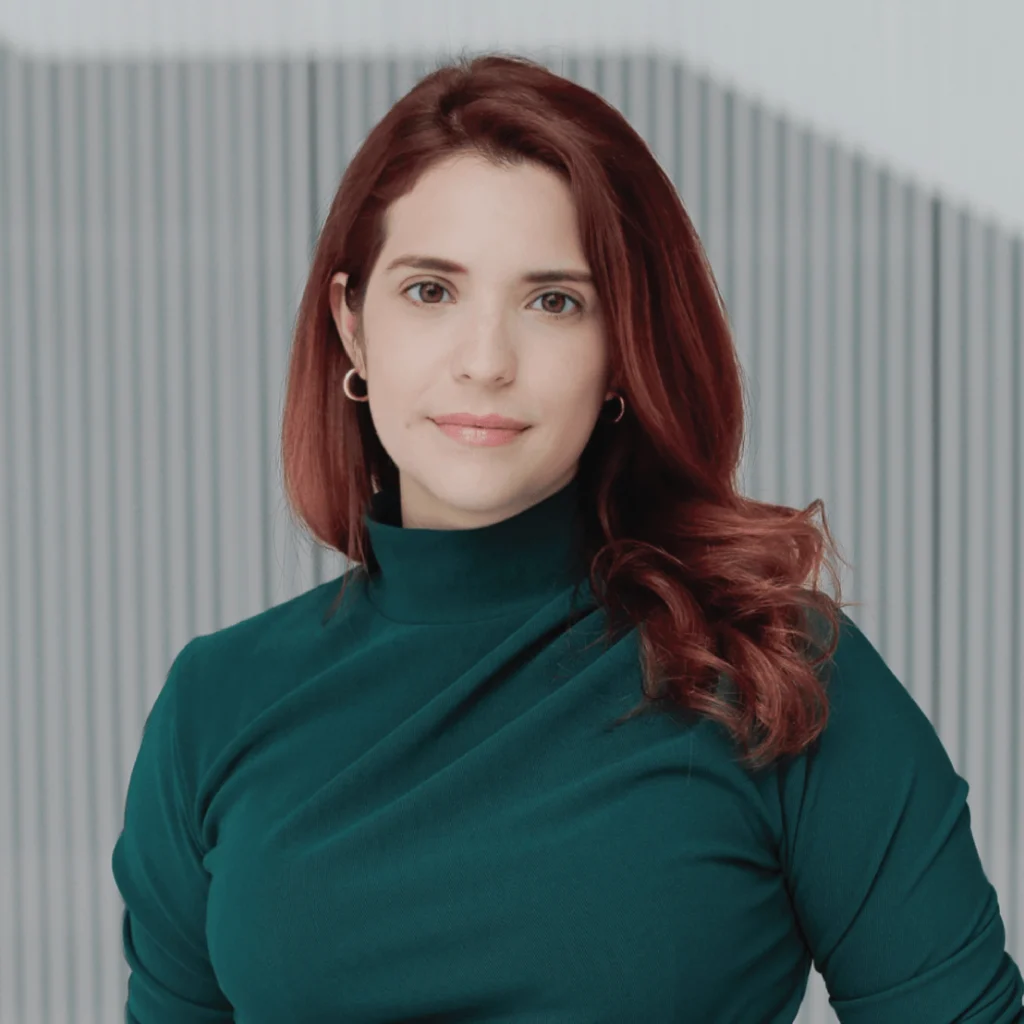
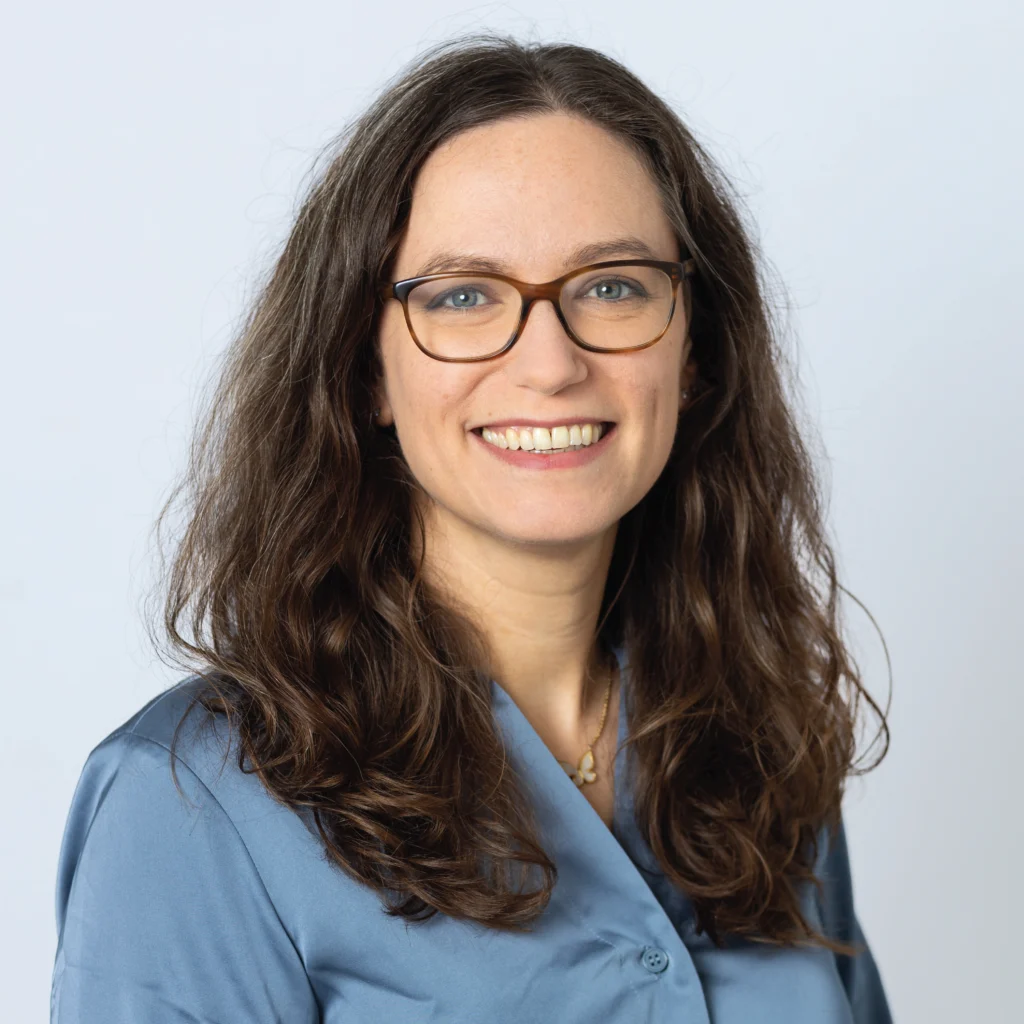
Head of Programme – Climate, Agriculture and Trade, Heinrich-Böll-Stiftung
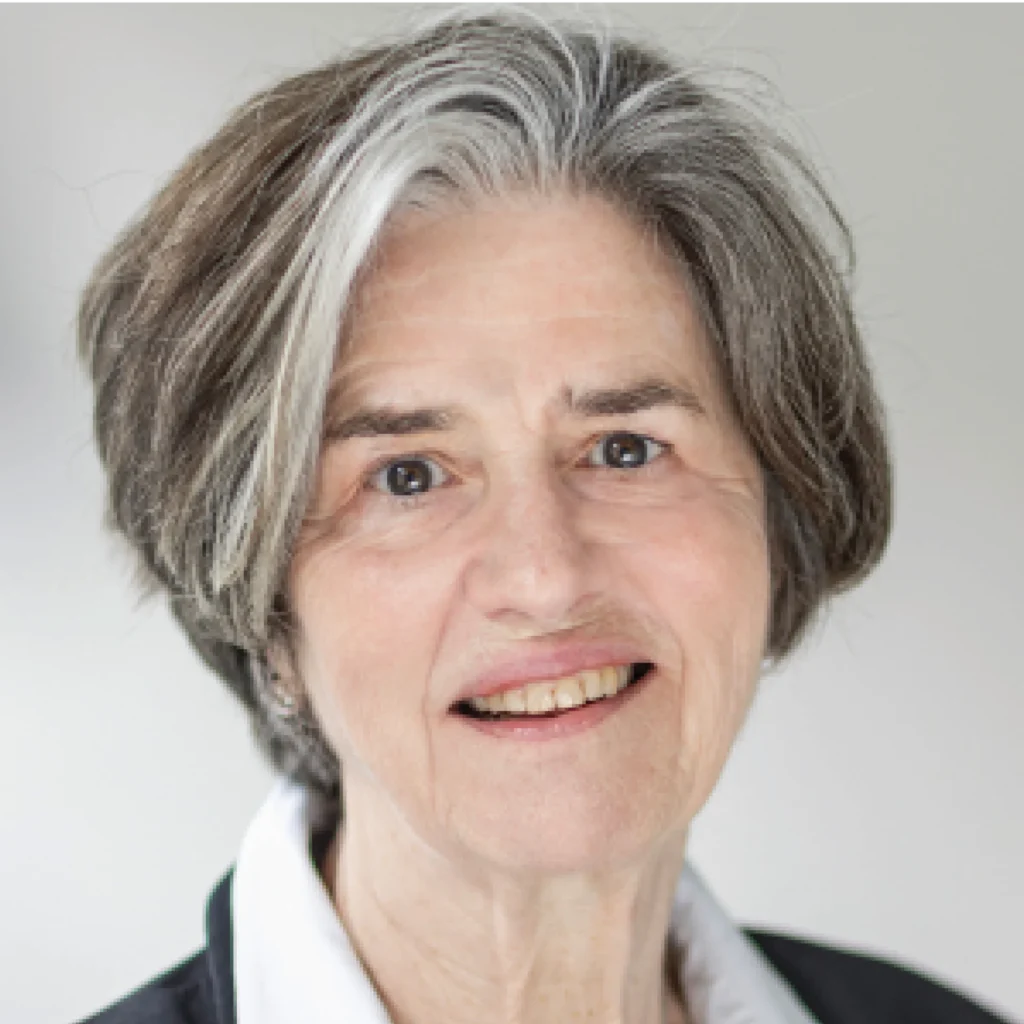
Katherine Richardson
Professor of Biological Oceanography, University of Copenhagen
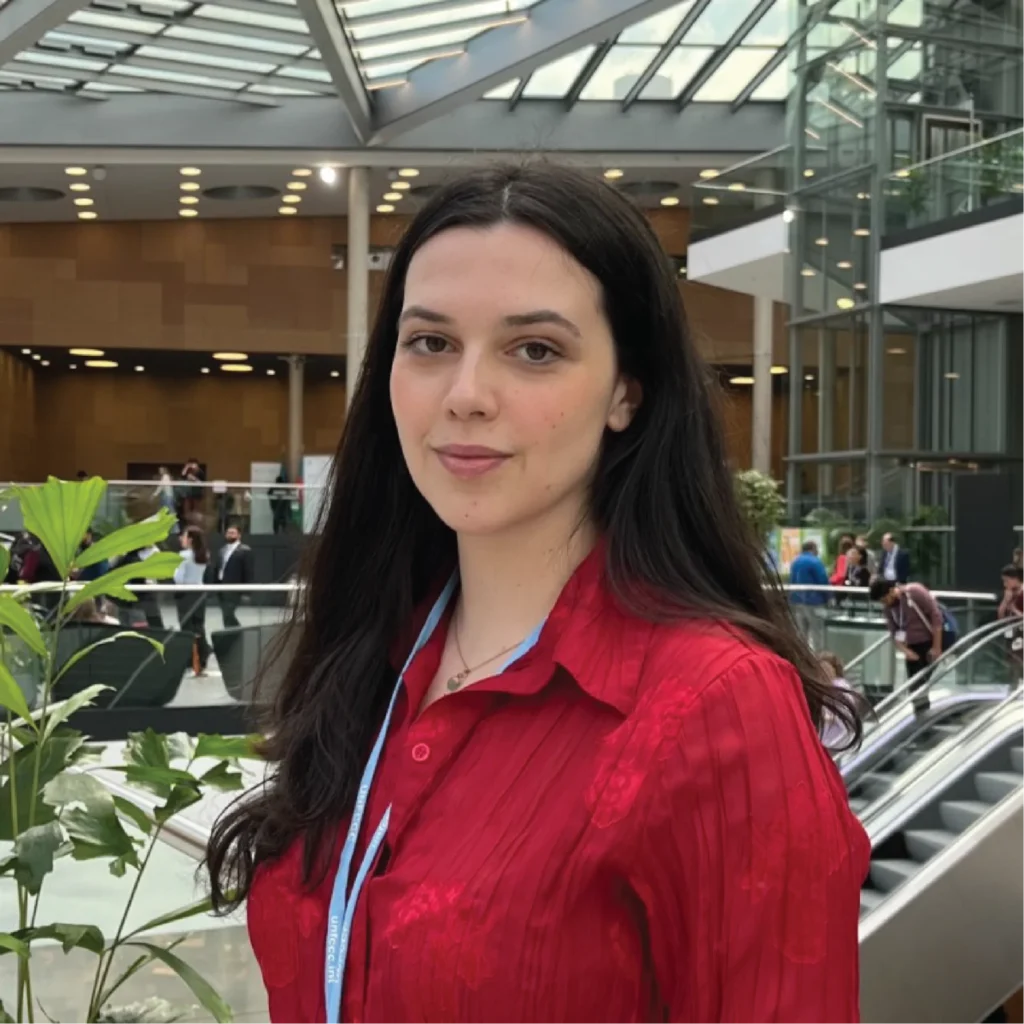
Elena Mueller
Youth Delegate Switzerland, UNFCCC
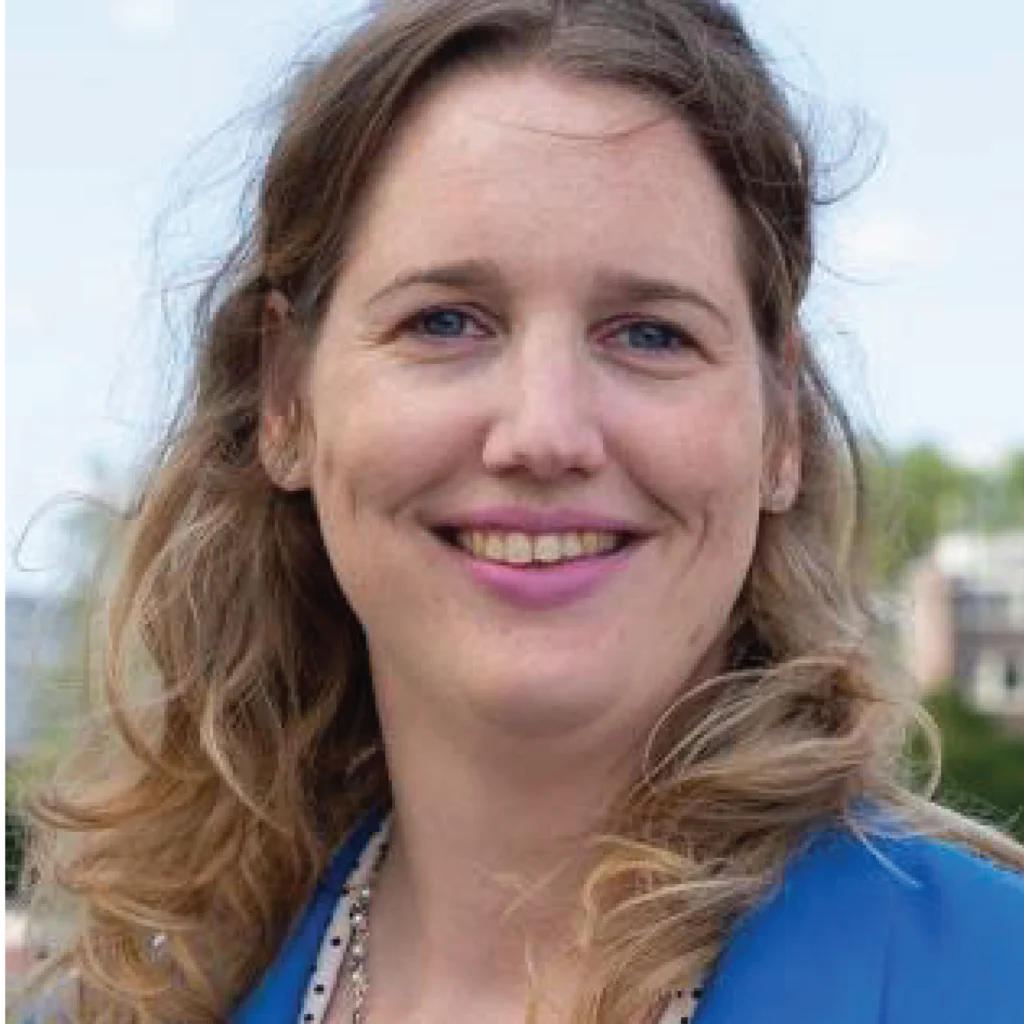
Titi Habicht
Youth Delegate Slovenia, UNFCCC
Louise Mollenhauer
Moderator
Head of Programme – Climate, Agriculture and Trade, Heinrich-Böll-Stiftung
Katherine Richardson
Professor of Biological Oceanography, University of Copenhagen
Elena Mueller
Youth Delegate Switzerland, UNFCCC
Titi Habicht
Youth Delegate Slovenia, UNFCCC
15:15 - 16:30
ROOM 206
AI and the future of work: a new division of labour
Recent developments in generative AI have helped to democratise expertise, making knowledge more accessible to a wide range of non-expert workers. Meanwhile, however, many high- and middle skilled occupations continue to experience labour shortages. This lab session will explore how such advancements in AI could be leveraged to redesign jobs and organisations, addressing skill shortages and providing new career paths. (For further background, listen to this CEPS Tech podcast episode)
With:
Enrique Fernandez-Macias, Researcher and coordinating the Employment and Skills team, Joint Research Centre
Marlene de Koning, Directorand leading the HR Tech & Digital team, PwC Netherlands
Isabelle Schömann, European Trade Union Confederation (ETUC)
Isabella Loaiza Saa, Postdoctoral Associate, MIT Sloan School of Management
Laura Nurski, Associate Research Fellow and Head of Programme on Future of Work, CEPS (moderator)