Investing in security: how to strengthen the EU’s future members
WHEN
02 March I 13:45 - 15:00
WHERE
The Square
TOPICS
Security, EU Enlargement
WHEN
02 March I 13:45 - 15:00
WHERE
The Square
TOPICS
Security, EU Enlargement
By envisaging membership negotiations with Ukraine and Moldova, the EU has rejected a Russian sphere of influence and instead determined where its future borders should lie. This decision is slowly leading to policies tailored to effectively respond to a geopolitical context which also sees China and other third states competing for influence in the candidate countries of the Western Balkans and the Eastern neighbourhood.
Whereas the ‘tools of integration’ offer pathways for the pre-accession access of candidate countries to the EU’s defence industrial market, the EU’s ‘tools of intervention’ reveal a mismatch between the actual and perceived threats. Meanwhile, public support for security guarantees and EU enlargement is under pressure in several Member States. This session asks how the EU can strengthen and support its future members.
Speakers
Steven Blockmans
Moderator
Associate Senior Fellow at CEPS and coordinator of the REUNIR project
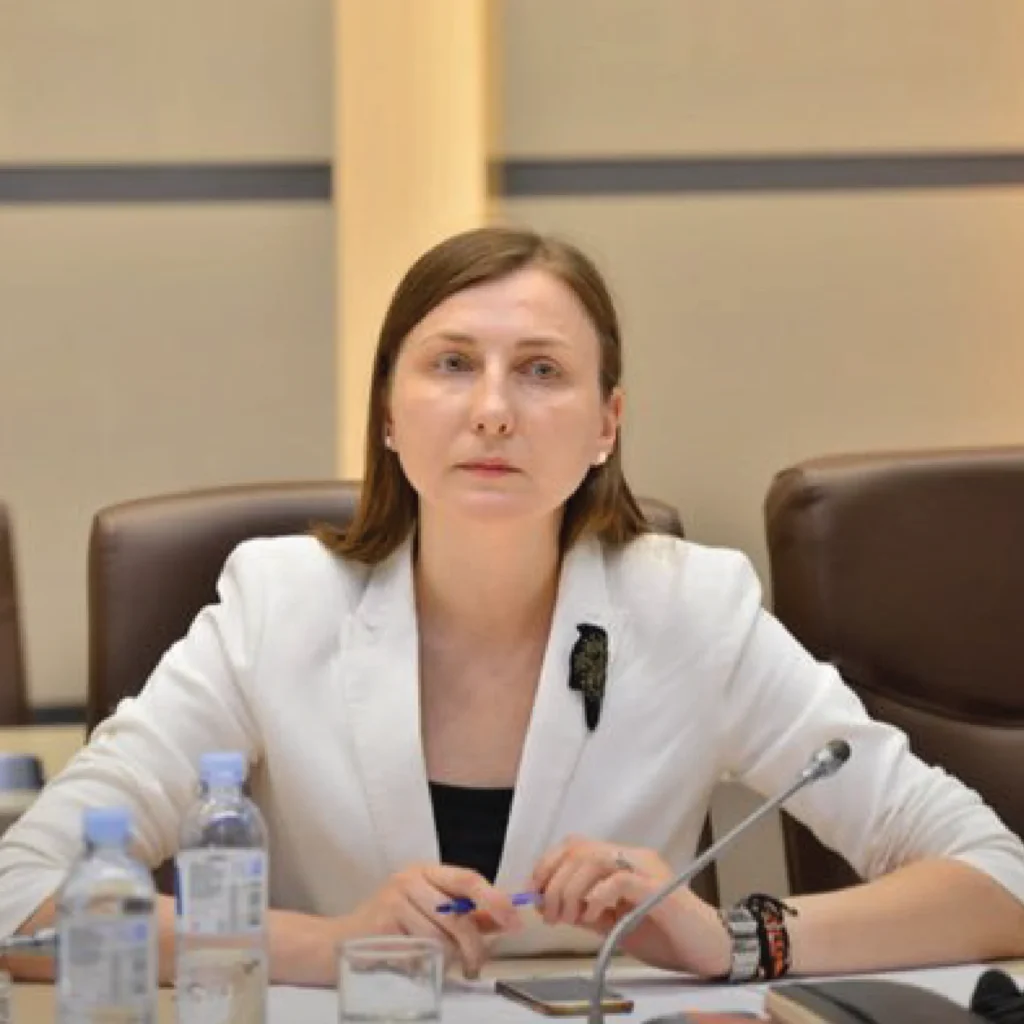
Daniela Morari
Ambassador of Moldova to the EU
Maximilien Jeudy-Gallais
Counselor, Permanent Representation of France to the EU
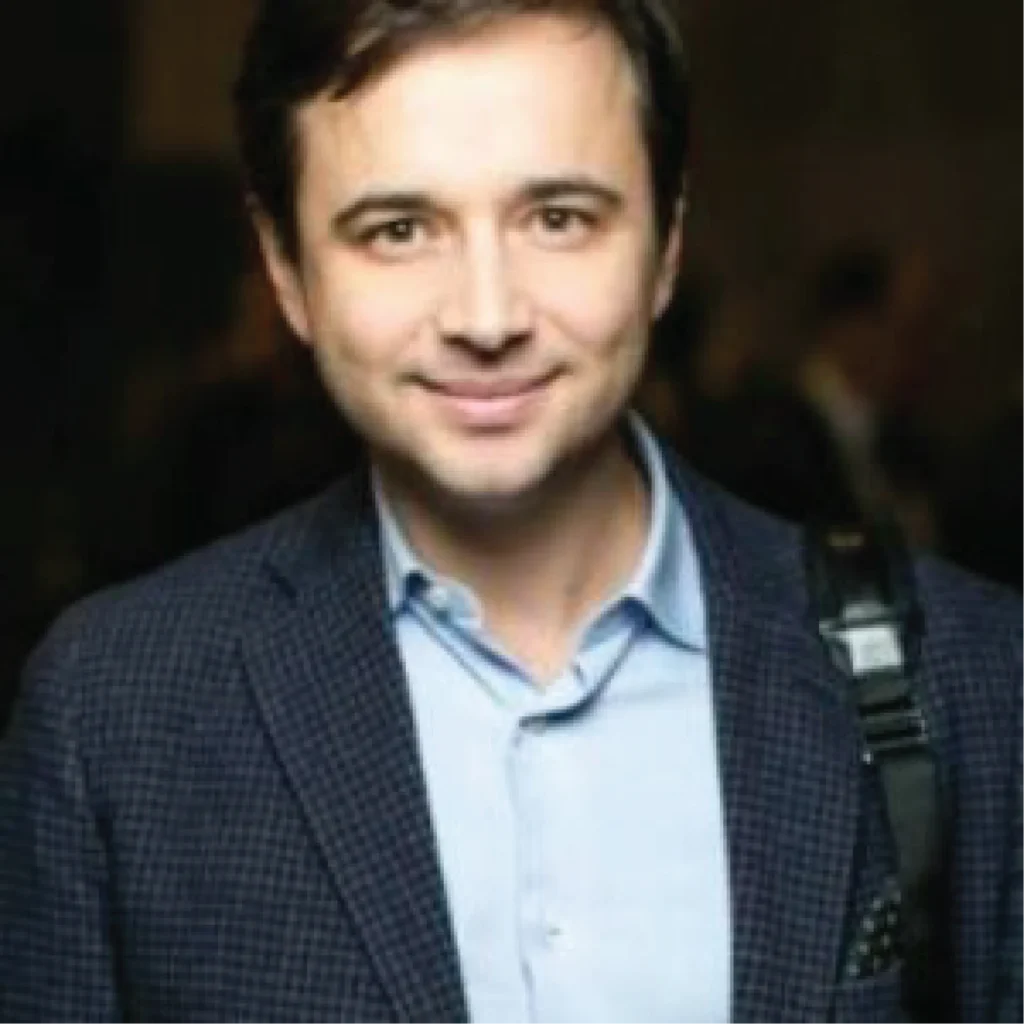
Leonid Litra
Senior Research Fellow, New Europe Centre, Kyiv
Elena Visnar-Malinovska
Deputy Director and Head of Unit, Ukraine Service, European Commission (tbc)
Steven Blockmans
Moderator
Associate Senior Fellow at CEPS and coordinator of the REUNIR project
Daniela Morari
Ambassador of Moldova to the EU
Maximilien Jeudy-Gallais
Counselor, Permanent Representation of France to the EU
Leonid Litra
Senior Research Fellow, New Europe Centre, Kyiv
Elena Visnar- Malinovska
Deputy Director and Head of Unit, Ukraine Service, European Commission (tbc)
15:15 - 16:30
ROOM 206
AI and the future of work: a new division of labour
Recent developments in generative AI have helped to democratise expertise, making knowledge more accessible to a wide range of non-expert workers. Meanwhile, however, many high- and middle skilled occupations continue to experience labour shortages. This lab session will explore how such advancements in AI could be leveraged to redesign jobs and organisations, addressing skill shortages and providing new career paths. (For further background, listen to this CEPS Tech podcast episode)
With:
Enrique Fernandez-Macias, Researcher and coordinating the Employment and Skills team, Joint Research Centre
Marlene de Koning, Directorand leading the HR Tech & Digital team, PwC Netherlands
Isabelle Schömann, European Trade Union Confederation (ETUC)
Isabella Loaiza Saa, Postdoctoral Associate, MIT Sloan School of Management
Laura Nurski, Associate Research Fellow and Head of Programme on Future of Work, CEPS (moderator)