CEPS advisory forum on the EU’s role in global health
WHEN
3 March I 15:00 - 17:00
WHERE
Room 212
TOPICS
Health
WHEN
3 March I 15:00 - 17:00
WHERE
Room 212
TOPICS
Health
This session is by invitation only
If you’re interested in joining the discussion, please contact [email protected]
Against the background of a turbulent world order, strained budgetary situations and defunding of key institutions and initiatives, the EU and its Member States have to navigate a new situation in global health governance. While old platforms for cooperation and traditional donor relations struggle, new initiatives and actors are emerging.
More than three years after the adoption of the EU’s global health strategy, Europe urgently needs to take stock of its role, keeping in mind the necessity to move towards more equitable partnerships and transfer of critical technologies.
The CEPS advisory forum on the EU’s role in global health serves as a platform for exchange of ideas, providing policy recommendations on how Europe can become a more forward-thinking and constructive player in global health. It brings together high-level experts from academia as well as health diplomacy and governance, including from non-European contexts and low- and middle-income countries. By grounding strategic discussions in frontline realities and non-European perspectives, its efforts contribute to a more informed and impactful policy discussion.
Speakers
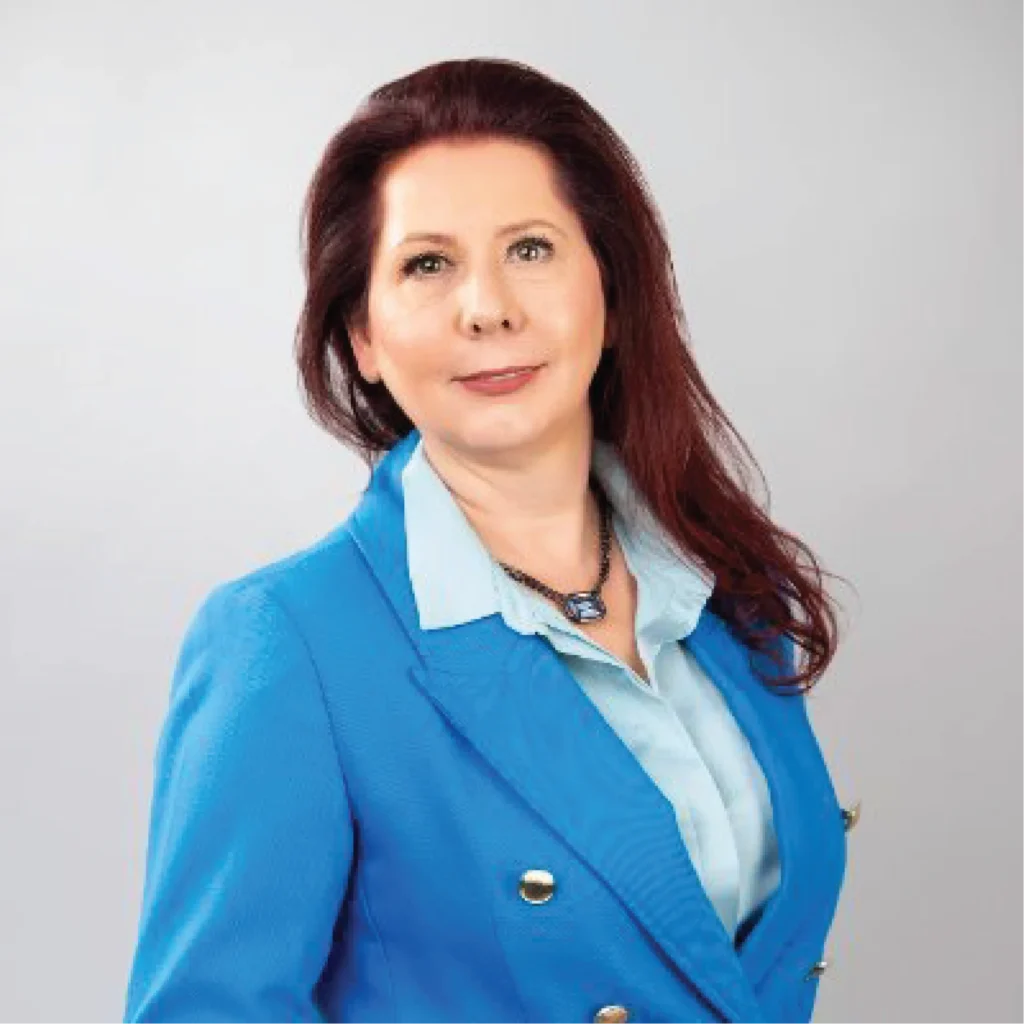
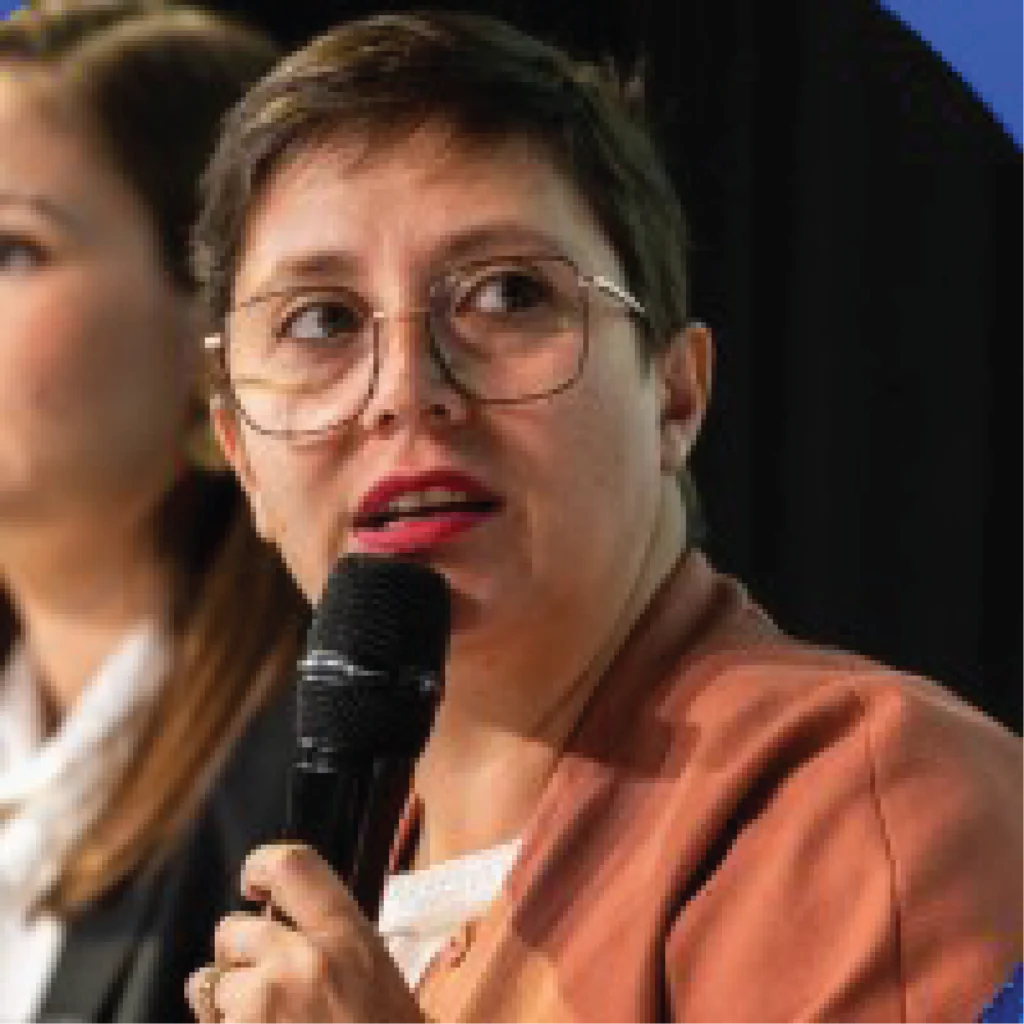
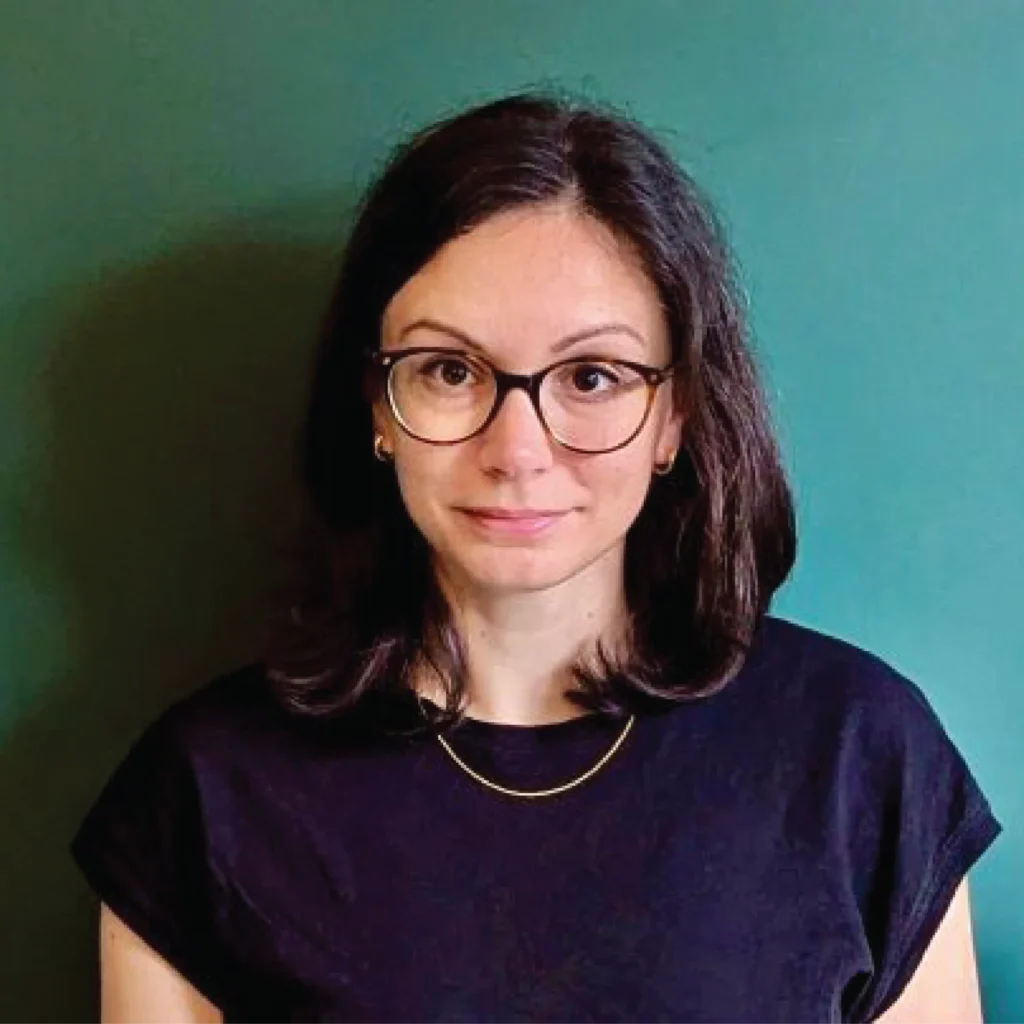
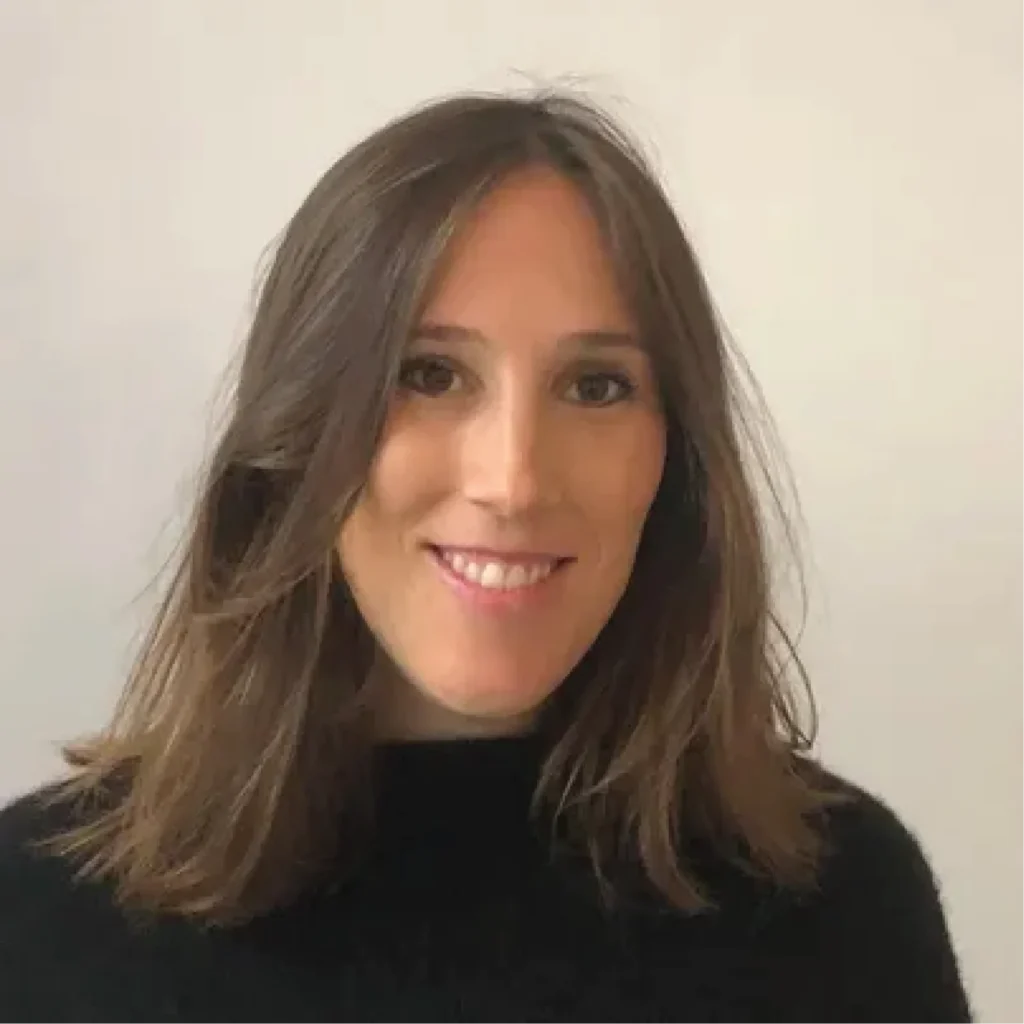
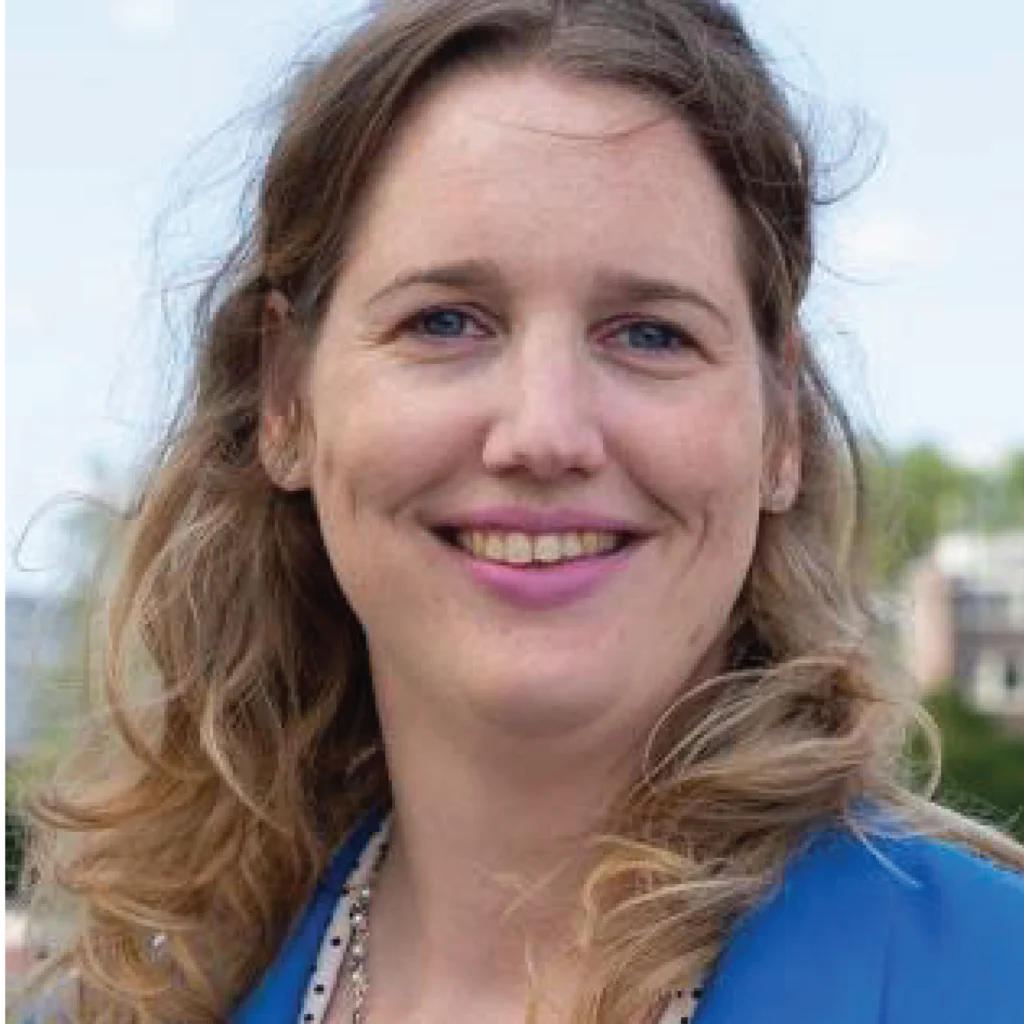
Katja van der Meer
Moderator
Associate Researcher, CEPS
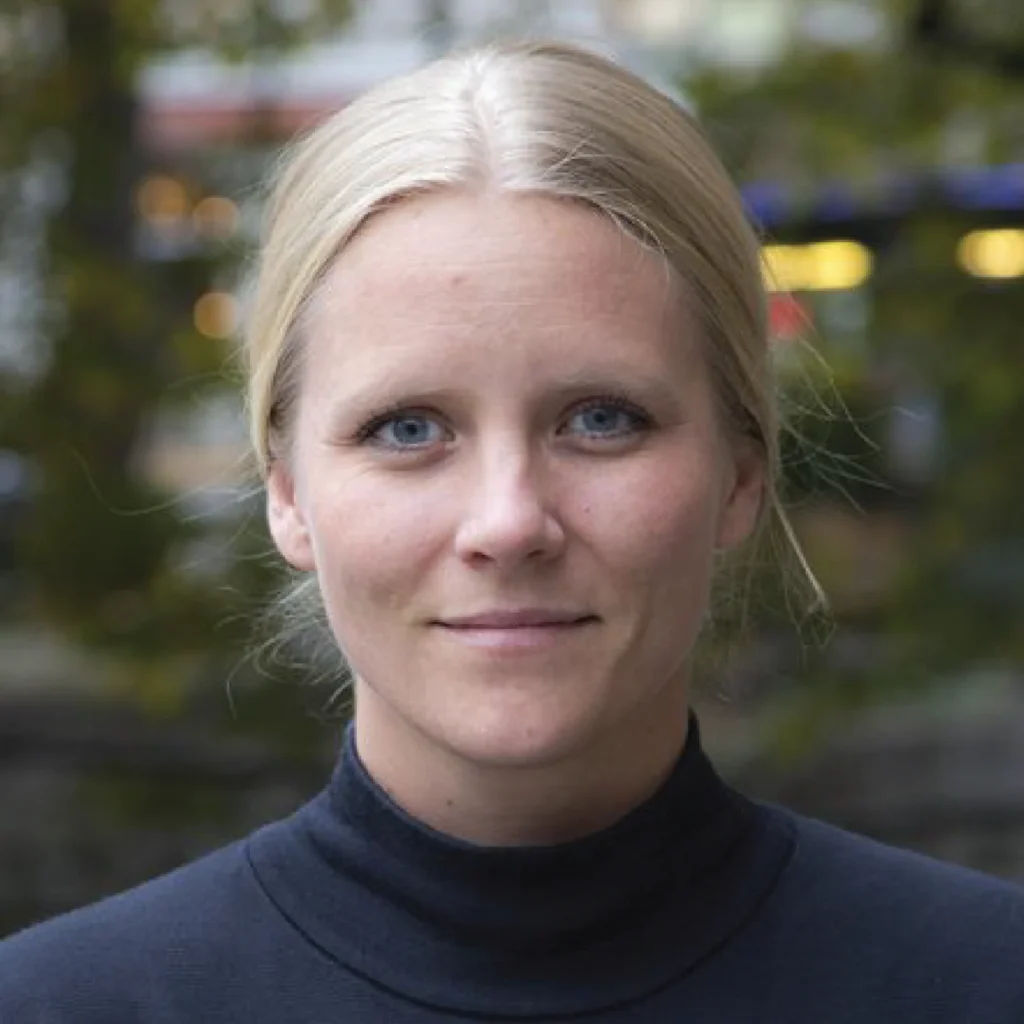
Anders Nordström
Former Swedish Ambassador for Global Health, advisor associated with the Karolinska Institute and the Stockholm School of Economics
Filipa Alpeza
Research Assistant, Karolinska Institutet
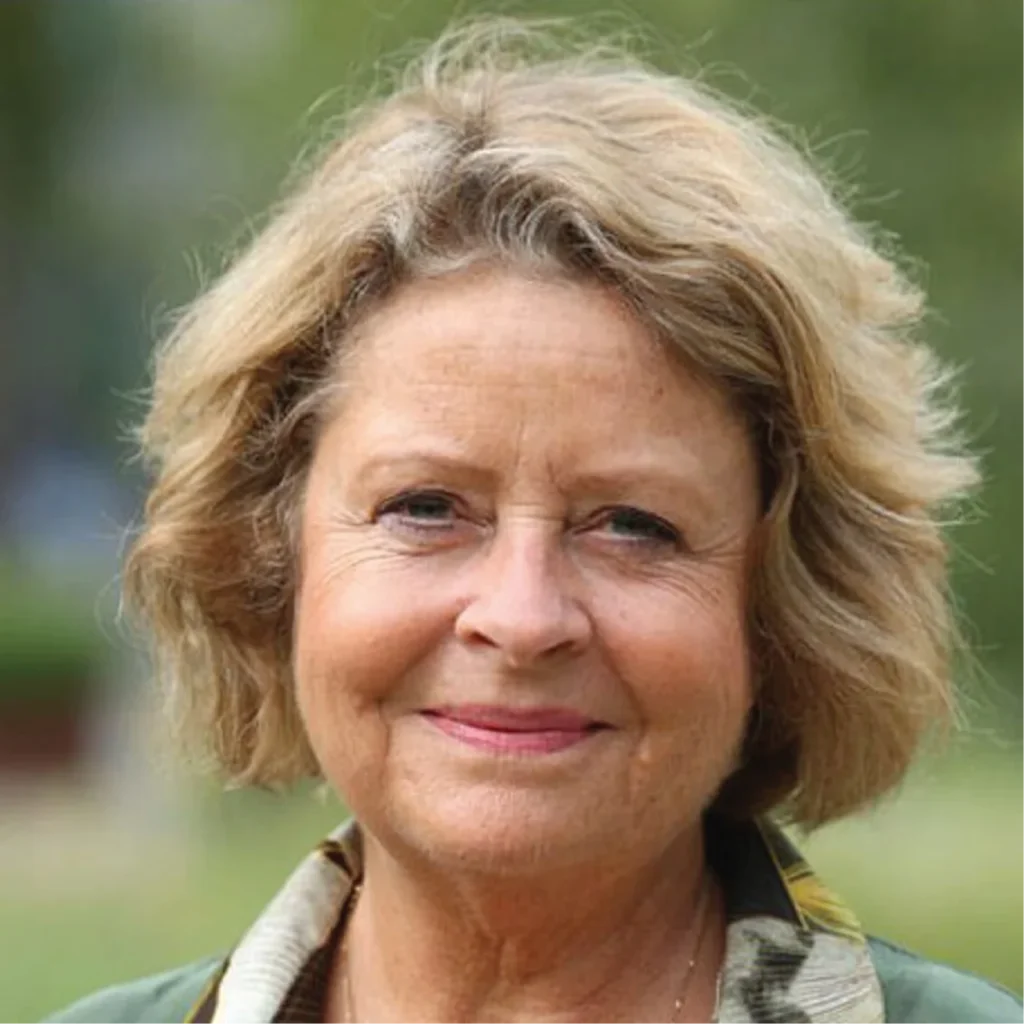
Charlotte Godziewski
Senior Lecturer in International Politics, City St. George’s, University of London
Lisa Goerlitz
Head of Brussels Office, Deutsche Stiftung Weltbevölkerung (DSW)
Birgit Van Hout
Director, Representation Office to the EU, UNFPA
Margherita Leone
Senior Advocacy Advisor, Save the Children International
Eleanor Brooks
Senior Lecturer in European Health Policy, University of Edinburgh
Philomena Apiko
Policy Analyst, ECDPM
Céline Aerts
Analyst, Impact Global Health
Helle Aagaard
Deputy Director, ReAct Europe
Julia Maciocia
Advocacy Coordinator, EU Institutions, The ONE Campaign
Rowan Dunn
EU Advocacy Coordinator, Global Health Advocates
Stine Bosse
Member of the European Parliament, Vice-Chair, Committee on Public Health
Eloise Todd
Executive Director and Founder of RANI
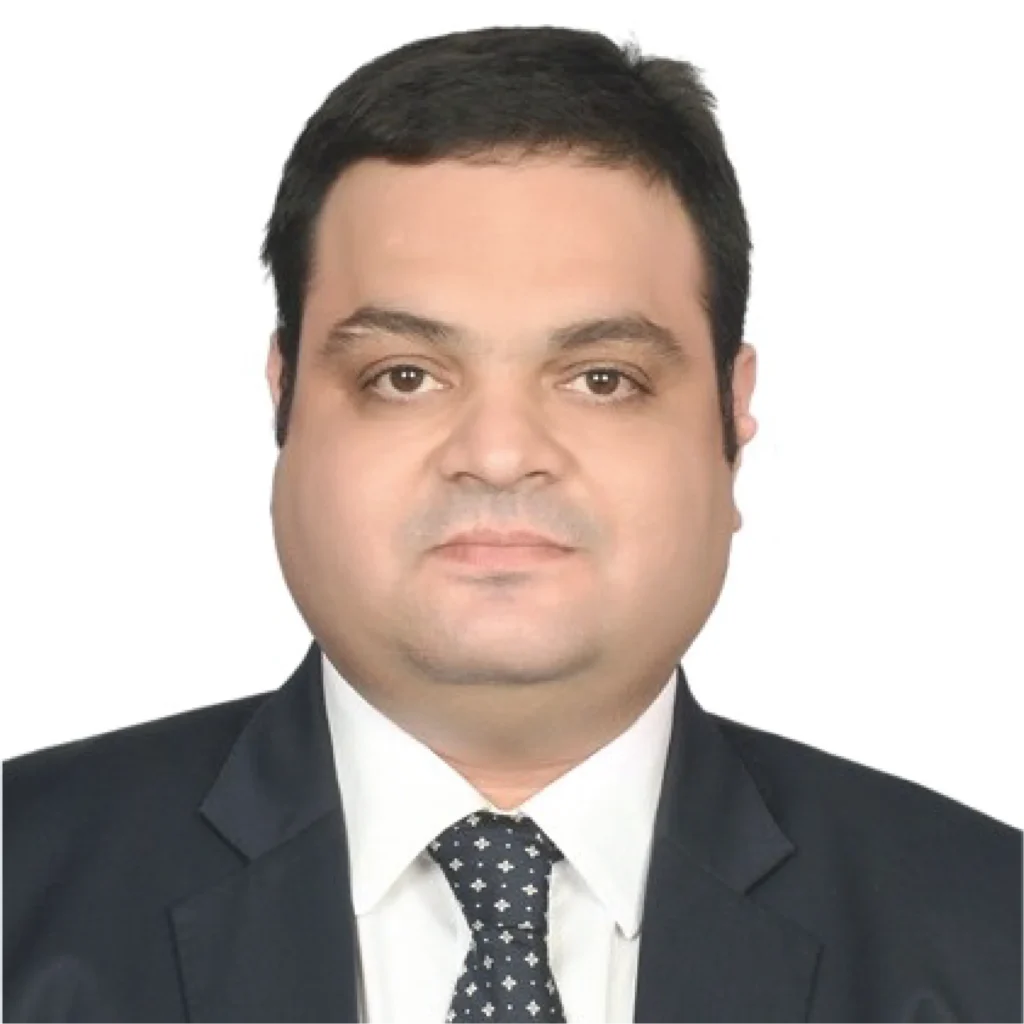
Deepak Nathiya
Director International, NIMS University, Rajasthan, Jaipur
Balvir S Tomar
Founder and Chancellor of NIMS University, Rajasthan, Jaipur
Katja van der Meer
Moderator
Associate Researcher, CEPS
Anders Nordström
Former Swedish Ambassador for Global Health, advisor associated with the Karolinska Institute and the Stockholm School of Economics
Filipa Alpeza
Research Assistant, Karolinska Institutet
Charlotte Godziewski
Senior Lecturer in International Politics, City St. George’s, University of London
Lisa Goerlitz
Head of Brussels Office, Deutsche Stiftung Weltbevölkerung (DSW)
Birgit Van Hout
Director, Representation Office to the EU, UNFPA
Margherita Leone
Senior Advocacy Advisor, Save the Children International
Eleanor Brooks
Senior Lecturer in European Health Policy, University of Edinburgh
Philomena Apiko
Policy Analyst, ECDPM
Céline Aerts
Analyst, Impact Global Health
Helle Aagaard
Deputy Director, ReAct Europe
Julia Maciocia
Advocacy Coordinator, EU Institutions, The ONE Campaign
Rowan Dunn
EU Advocacy Coordinator, Global Health Advocates
Stine Bosse
Member of the European Parliament, Vice-Chair, Committee on Public Health
Eloise Todd
Executive Director and Founder of RANI
Deepak Nathiya
Director International, NIMS University, Rajasthan, Jaipur
Balvir S Tomar
Founder and Chancellor of NIMS University, Rajasthan, Jaipur
15:15 - 16:30
ROOM 206
AI and the future of work: a new division of labour
Recent developments in generative AI have helped to democratise expertise, making knowledge more accessible to a wide range of non-expert workers. Meanwhile, however, many high- and middle skilled occupations continue to experience labour shortages. This lab session will explore how such advancements in AI could be leveraged to redesign jobs and organisations, addressing skill shortages and providing new career paths. (For further background, listen to this CEPS Tech podcast episode)
With:
Enrique Fernandez-Macias, Researcher and coordinating the Employment and Skills team, Joint Research Centre
Marlene de Koning, Directorand leading the HR Tech & Digital team, PwC Netherlands
Isabelle Schömann, European Trade Union Confederation (ETUC)
Isabella Loaiza Saa, Postdoctoral Associate, MIT Sloan School of Management
Laura Nurski, Associate Research Fellow and Head of Programme on Future of Work, CEPS (moderator)