Between two giants: Europe’s strategy for double de-risking
WHEN
3 March I 15:00 - 17:00
WHERE
Room 211
TOPICS
Geoeconomics
WHEN
3 March I 15:00 - 17:00
WHERE
Room 211
TOPICS
Geoeconomics
This session is by invitation only
If you’re interested in joining the discussion, please contact [email protected]
Conventional wisdom has long held that closely aligning with the United States is a strategic necessity for the EU when managing the distinct set of economic, technological and diplomatic trade-offs that exposure to China presents. Yet recent developments suggest that this strategy is no longer tenable. The latest US National Security Strategy signals a clear intent to pursue a China strategy that is increasingly decoupled from the preferences, constraints and timelines of its traditional allies.
This shift marks the emergence of a new strategic environment in which the EU can no longer assume that transatlantic alignment will automatically translate into shared risk assessments, policy instruments or economic outcomes. Therefore, it is time to consider alternative ways to tackle China-related dependencies that continue to pose systemic challenges across critical technologies, supply chains and global governance frameworks.
This invite-only roundtable offers an opportunity to discuss medium-term decisions on export controls, industrial subsidies, investment screening, technology cooperation and standards-setting that will define the EU’s room to manoeuvre well into the 2030s. This meeting brings together stakeholders and decision-makers to help the EU recalibrate its strategic autonomy goals as the US consolidates a more unilateral China strategy.
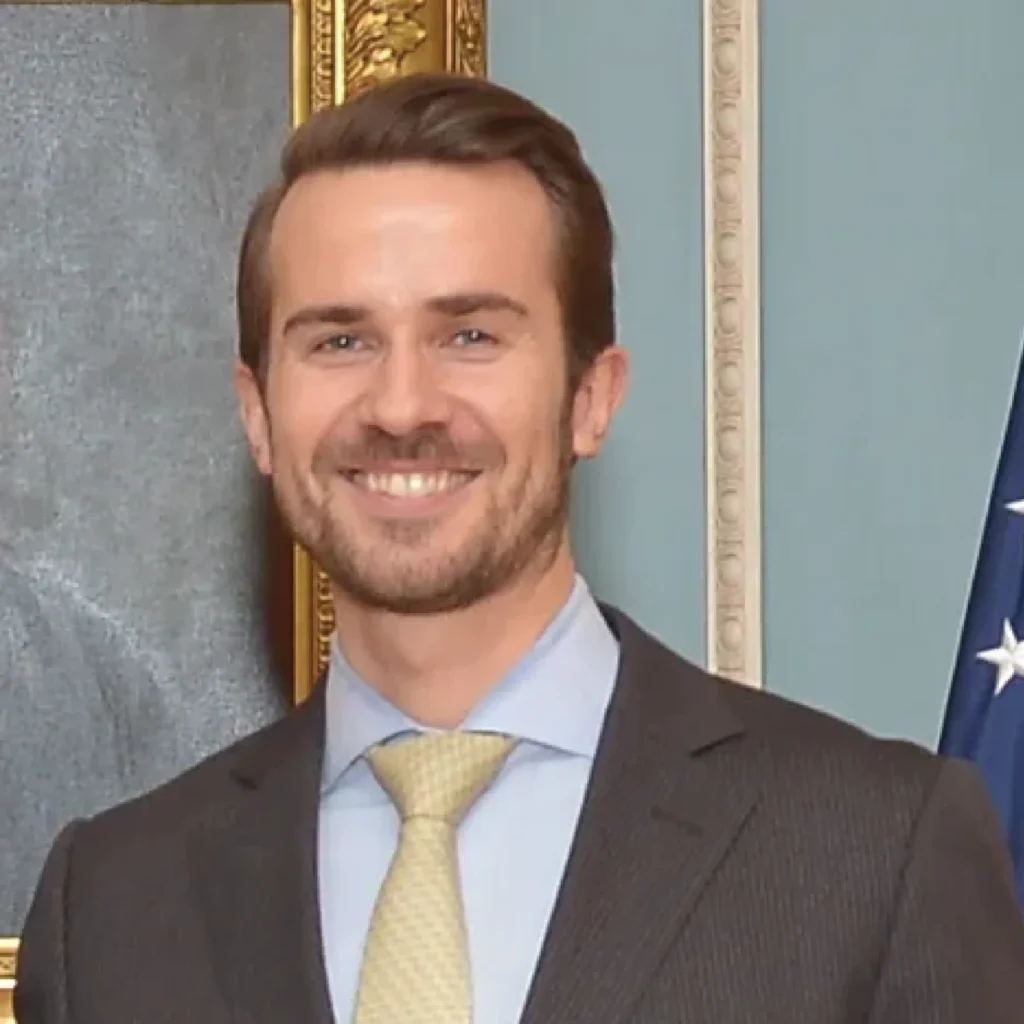
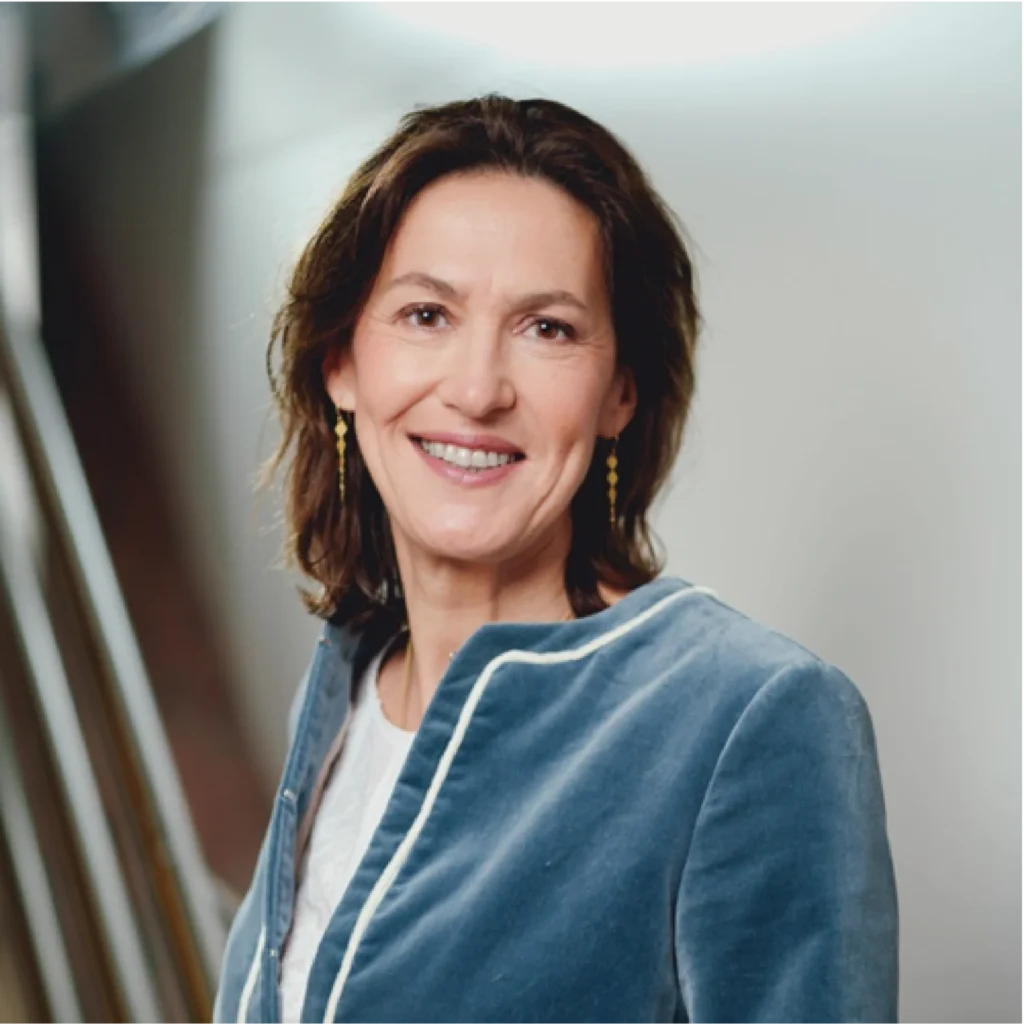
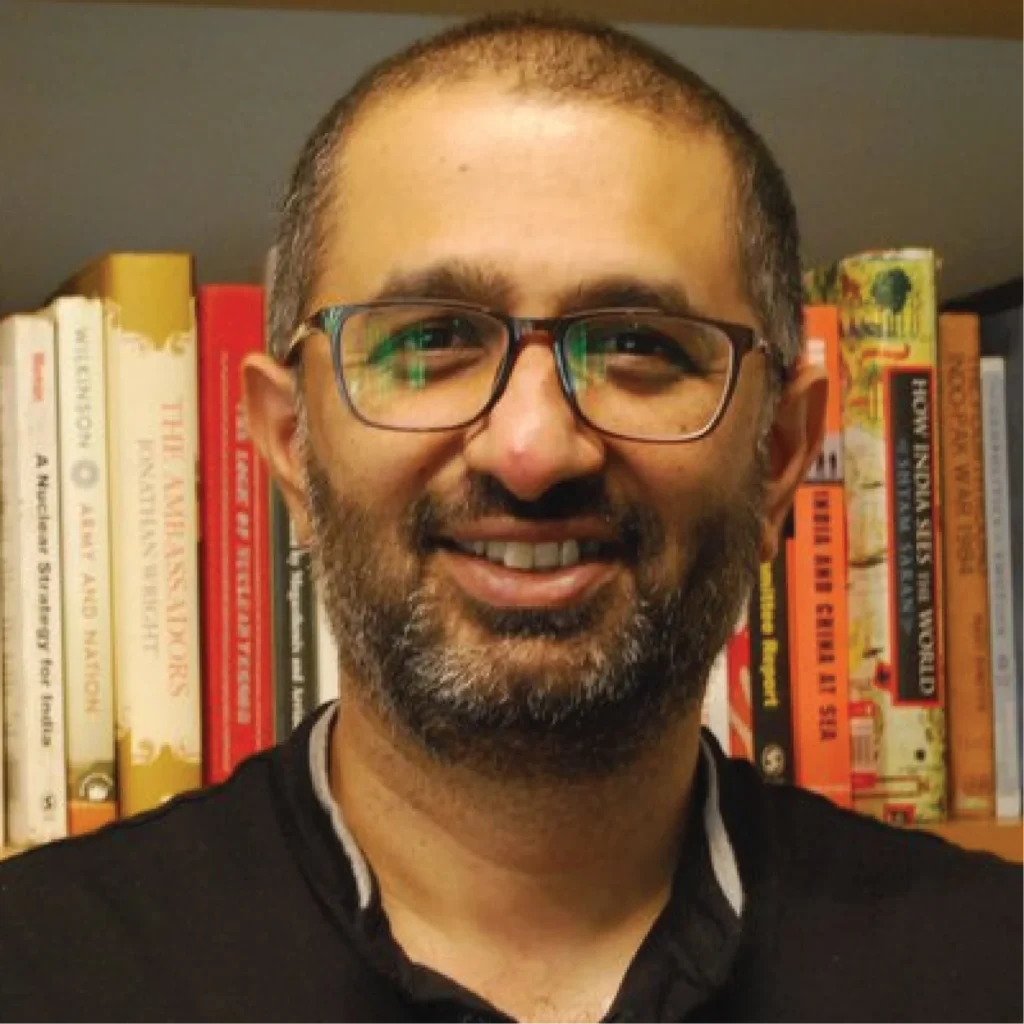
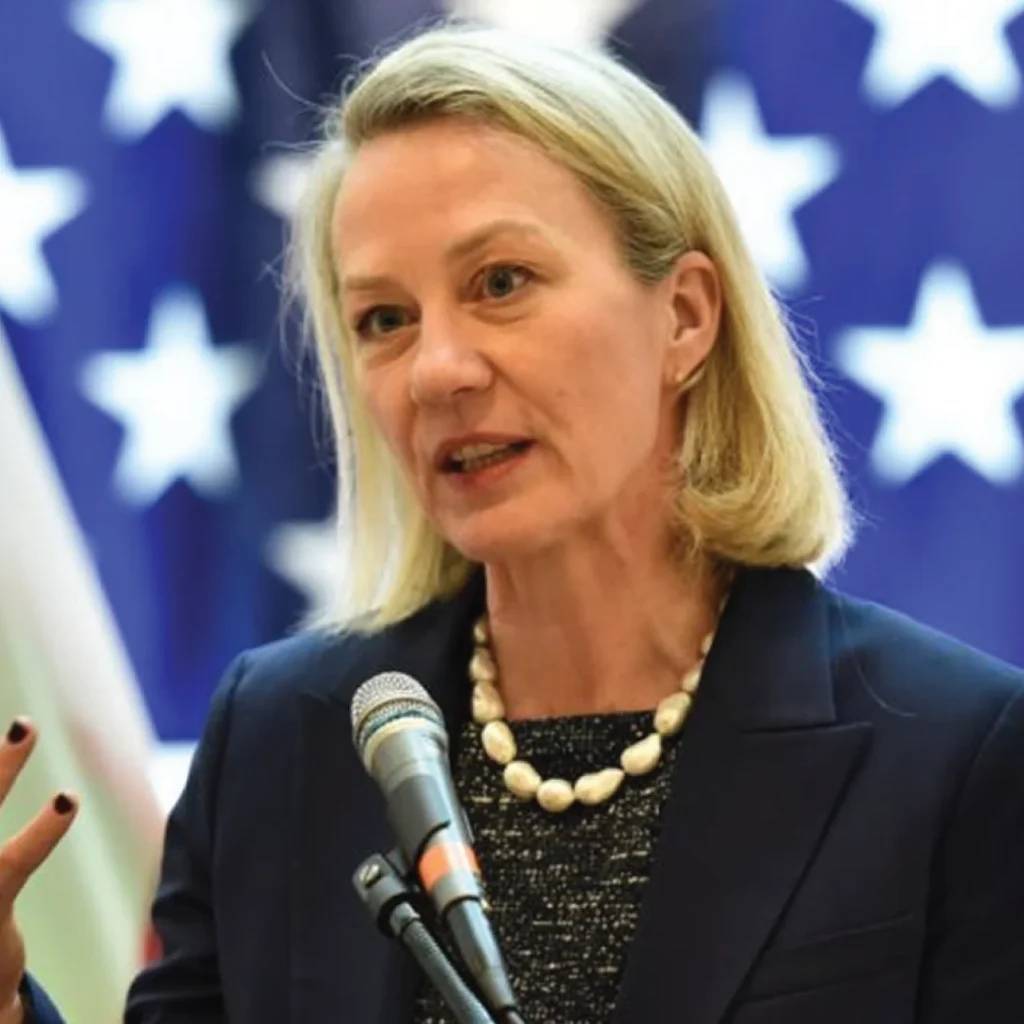
Speakers
Ceren Ergenc
Moderator
Research Fellow, CEPS
Lindsay Croisdale-Appleby
Ambassador and Head of the UK Mission to the European Union
Alicia Herrero
Chief Economist for Asia Pacific at Natixis, Professor at Hong Kong
Plamen Ivanov
EU Government Affairs, SAP
Tim Ruhlig
Senior Analyst for Global China, EUISS (European Union Institute for Security Studies)
Sayuri Ito
Economic Research Department Executive Director, NLI Research Institute
Liang Linlin
Director of Communication & Research of the CCCEU
Joanna Pritchett
Economic Security Chief, U.S. Mission to the EU
Elizabeth Thomas-Raynaud
Head of Emerging Digital Technologies Unit Directorate for Science, Technology and Innovation, OECD
Luca Bergamaschi
Co-Founding Executive Director, Italian Climate Change Think Tank
Bart M.J. Szewczyk
Visiting Senior Fellow, German Marshall Fund (GMF)
Director of the “Trade & Economic Security” programme, Rapporteur of the working group on EU-China relations, Institut Jacques Delors
Nitin Pai
Co-Founder and Director, Takshashila Instiution
Stella Hojung Lee
Research Analyst / EU Economic Affairs, Embassy of the Republic of Korea to the Kingdom of Belgium and Mission to the EU & the NATO
Alice Wells
Executive Vice President, ExxonMobil Europe
Paul Bunsell
CEO & Founder, Iris Policy
Etienne Soula
Research Fellow, GMF South and Wider Europe
Raul Villegas
Policy Officer for Trade and Economics, Mission of Australia to the EU and NATO
15:15 - 16:30
ROOM 206
AI and the future of work: a new division of labour
Recent developments in generative AI have helped to democratise expertise, making knowledge more accessible to a wide range of non-expert workers. Meanwhile, however, many high- and middle skilled occupations continue to experience labour shortages. This lab session will explore how such advancements in AI could be leveraged to redesign jobs and organisations, addressing skill shortages and providing new career paths. (For further background, listen to this CEPS Tech podcast episode)
With:
Enrique Fernandez-Macias, Researcher and coordinating the Employment and Skills team, Joint Research Centre
Marlene de Koning, Directorand leading the HR Tech & Digital team, PwC Netherlands
Isabelle Schömann, European Trade Union Confederation (ETUC)
Isabella Loaiza Saa, Postdoctoral Associate, MIT Sloan School of Management
Laura Nurski, Associate Research Fellow and Head of Programme on Future of Work, CEPS (moderator)