Ancient tongues, modern voices: AI for language and biocultural heritage
WHEN
3 March I 11:15 - 12:30
WHERE
Room 201B
TOPICS
Artificial Intelligence
WHEN
3 March I 11:15 - 12:30
WHERE
Room 201B
TOPICS
Artificial Intelligence
Indigenous languages and cultural traditions are intrinsically linked to the ecosystems they sustain. This interconnectedness means that linguistic diversity is a primary vehicle for the ecological knowledge required to manage and protect our natural world. Indigenous languages are becoming neglected, but as AI technologies become more widely available, there is a significant opportunity for these tools to support communities in safeguarding their biocultural heritage, the fundamental link between their language, their identity and the living landscapes they protect. ‘Ancient tongues, modern voices: AI for language and biocultural heritage’ looks at how new technologies, in particular AI, can be used to document minority languages, compile community-led archives and support new forms of respectful, accessible digital storytelling.
This session grounds the discussion in concrete examples of how technology can amplify local perspectives and preserve the traditional knowledge embedded in ancestral tongues. Participants will explore practical collaborations between Indigenous communities, cultural institutions, policymakers and technologists: from speech and text tools for low-resourced languages to AI-assisted curation of oral histories, rituals and environmental knowledge, while debating the standards needed to uphold Data Sovereignty against the ‘closed’ nature of global platforms. A central focus will be on how to embed standards and safeguards that uphold data sovereignty, free and informed consent, and genuine inclusion – ensuring that cultural heritage projects remain community-owned, not just raw material for distant models. The session invites anyone interested in AI, cultural and ecological preservation and ethics to imagine how Indigenous voices, often marginalised in the digital realm, can thrive on their own terms in tomorrow’s technological landscape.
This session is co-organised with Redes Chaco, a multi-stakeholder network bringing together more than 300 organisations working across the Gran Chaco Americano, a biome spanning parts of Argentina, Bolivia, Paraguay and Brazil that is the world’s largest subtropical dry forest.
Speakers
Robert Praas
Moderator
Data Scientist, CEPS
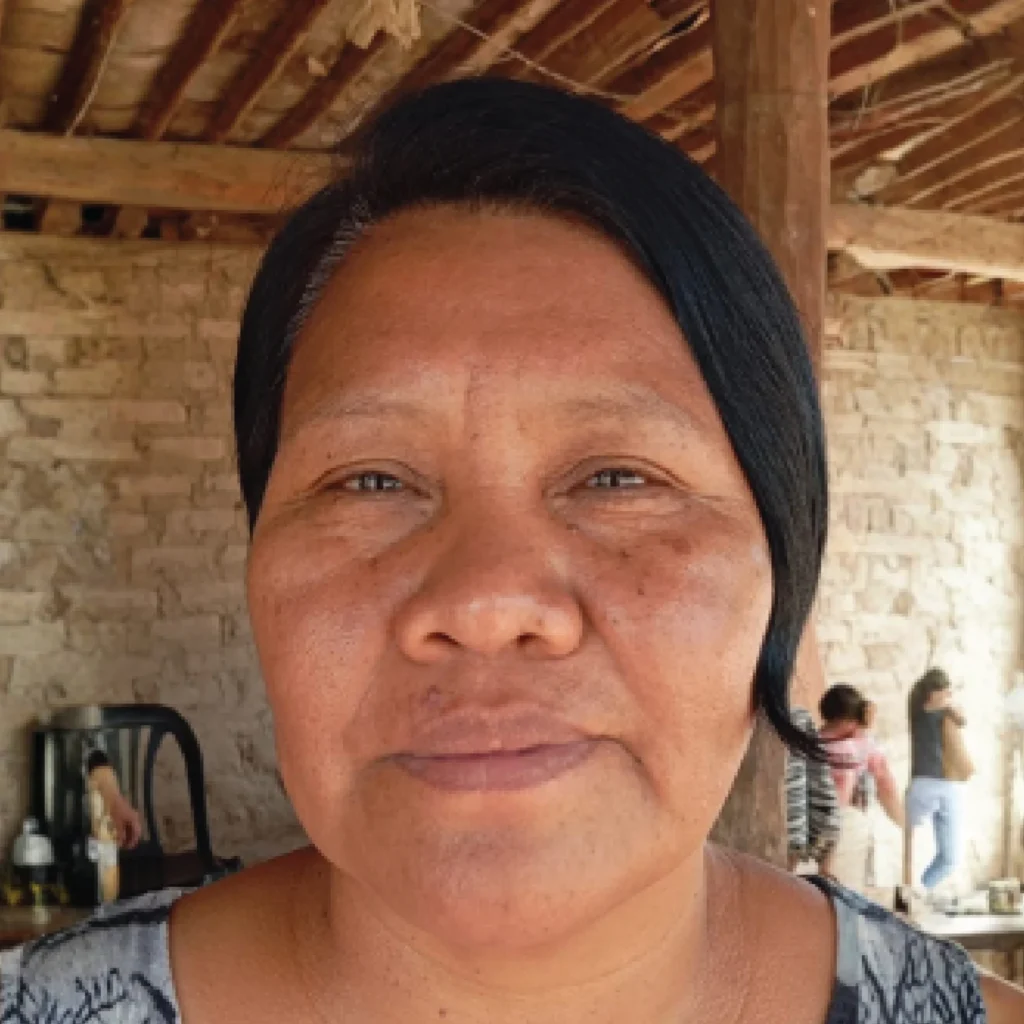
Fidelina Díaz
Bilingual Indigenous Educator from the Chorote people, the Gran Chaco Americano
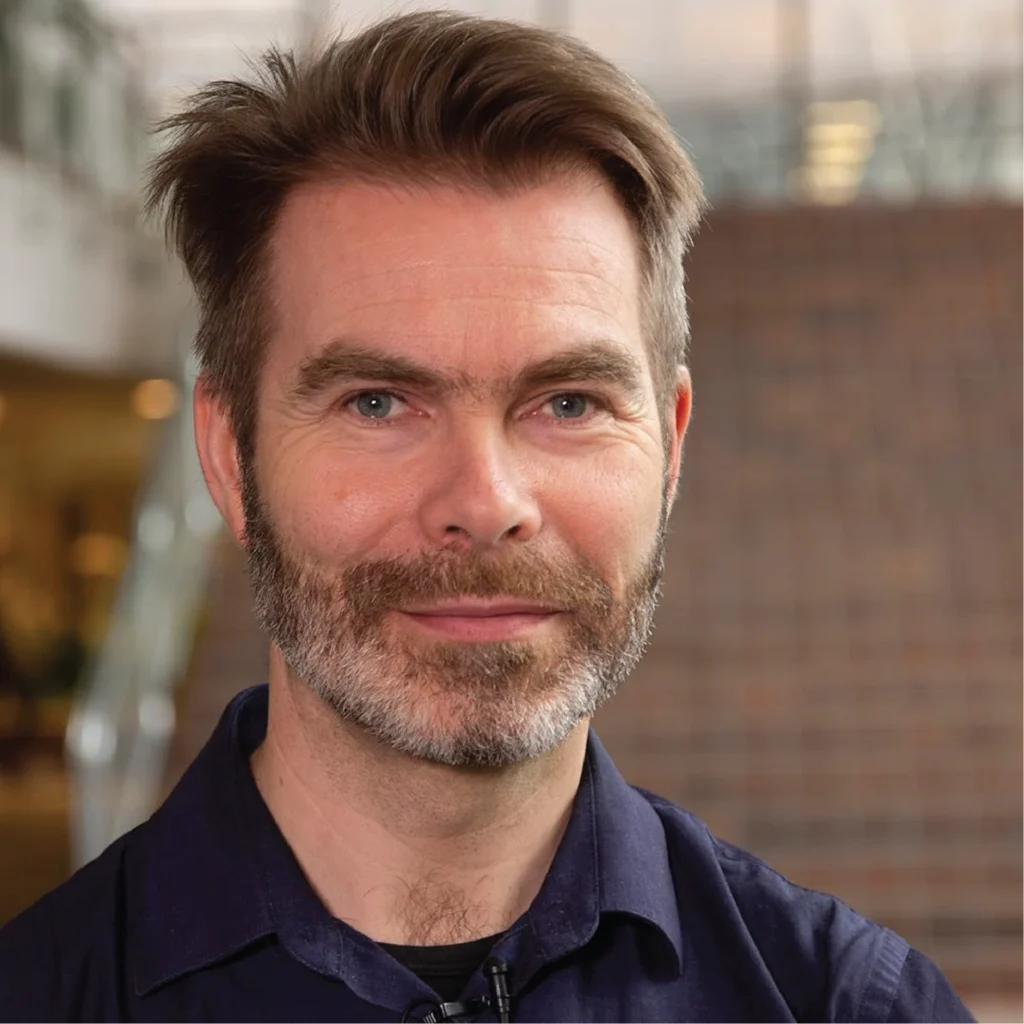
Sjur Nørstebø Moshagen
Chief Engineer, the Divvun group, Department for Language and Culture, Faculty of Humanities, Social Sciences and Education, UiT The Arctic University of Norway
Martin Bailey
Head of Unit, AI for Societal Good, DG CONNECT, European Commission
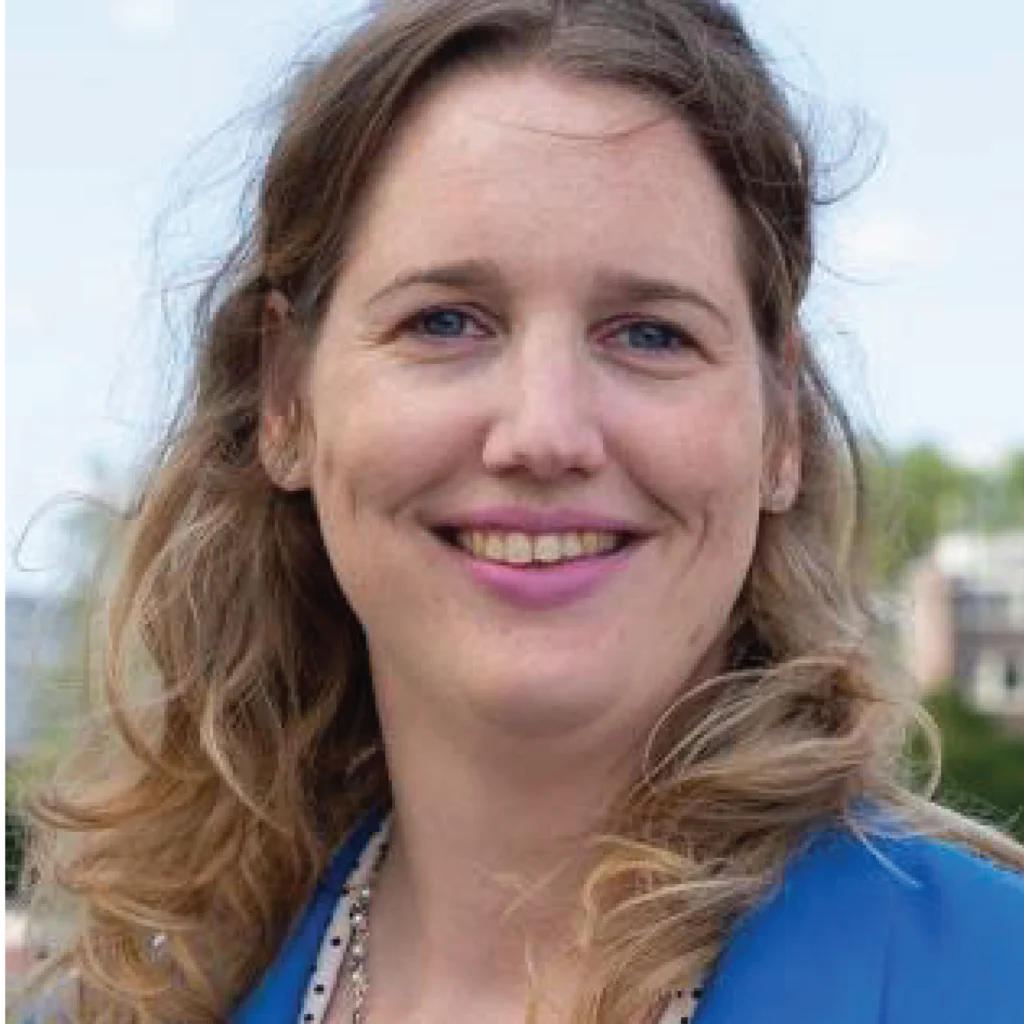
Linn Harkess
Political scientist, Lead of the Partnerships and Programme Strategy for the EU-financed Impacto Verde initiative implemented by Redes Chaco in Northern Argentina
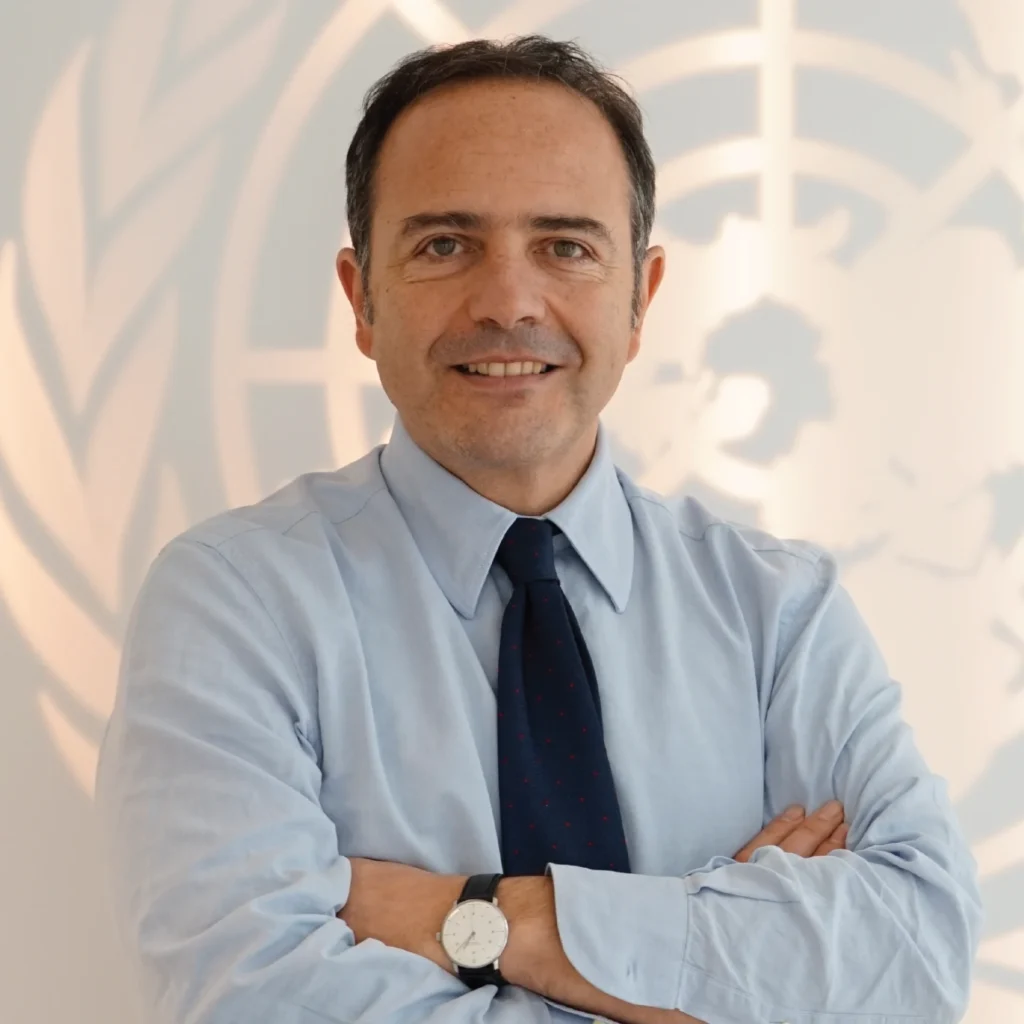
Lodovico Folin Calabi
Director, UNESCO’s Liaison Office and UNESCO’s Representative to the EU
Robert Praas
Moderator
Data Scientist, CEPS
Fidelina Díaz
Bilingual Indigenous Educator from the Chorote people, the Gran Chaco Americano
Sjur Nørstebø Moshagen
Chief Engineer, the Divvun group, Department for Language and Culture, Faculty of Humanities, Social Sciences and Education, UiT The Arctic University of Norway
Martin Bailey
Head of Unit, AI for Societal Good, DG CONNECT, European Commission
Linn Harkess
Political scientist, Lead of the Partnerships and Programme Strategy for the EU-financed Impacto Verde initiative implemented by Redes Chaco in Northern Argentina
Lodovico Folin Calabi
Director, UNESCO’s Liaison Office and UNESCO’s Representative to the EU
15:15 - 16:30
ROOM 206
AI and the future of work: a new division of labour
Recent developments in generative AI have helped to democratise expertise, making knowledge more accessible to a wide range of non-expert workers. Meanwhile, however, many high- and middle skilled occupations continue to experience labour shortages. This lab session will explore how such advancements in AI could be leveraged to redesign jobs and organisations, addressing skill shortages and providing new career paths. (For further background, listen to this CEPS Tech podcast episode)
With:
Enrique Fernandez-Macias, Researcher and coordinating the Employment and Skills team, Joint Research Centre
Marlene de Koning, Directorand leading the HR Tech & Digital team, PwC Netherlands
Isabelle Schömann, European Trade Union Confederation (ETUC)
Isabella Loaiza Saa, Postdoctoral Associate, MIT Sloan School of Management
Laura Nurski, Associate Research Fellow and Head of Programme on Future of Work, CEPS (moderator)