Article 2 TEU, the ‘holy grail’ of European integration, goes beyond mere virtue signalling. The commitment to uphold the rule of law is more extensive than appropriate legislative procedures, the separation of powers, proper enforcement and an independent judiciary. The democratic rule of law also extends to the processes of public service in the EU, meaning that the EU institutions must function in a way that serves all Europeans’ interests.
It follows that those who work for the EU institutions – including the European Commission and Parliament – are not meant to blindly serve their institutional leadership. Instead, they stand to serve citizens and the public interest, meaning that citizens have the right to speak up when they see that their institutions do not deliver on Article 2’s promises, or when their objections are dismissed or even sanctioned.
This Lab session explores the feasibility and potential of a ‘rule of law compass’ in the form of an EU accountability scoreboard to effectively uphold transparency and integrity within EU public service and its institutions.
Speakers
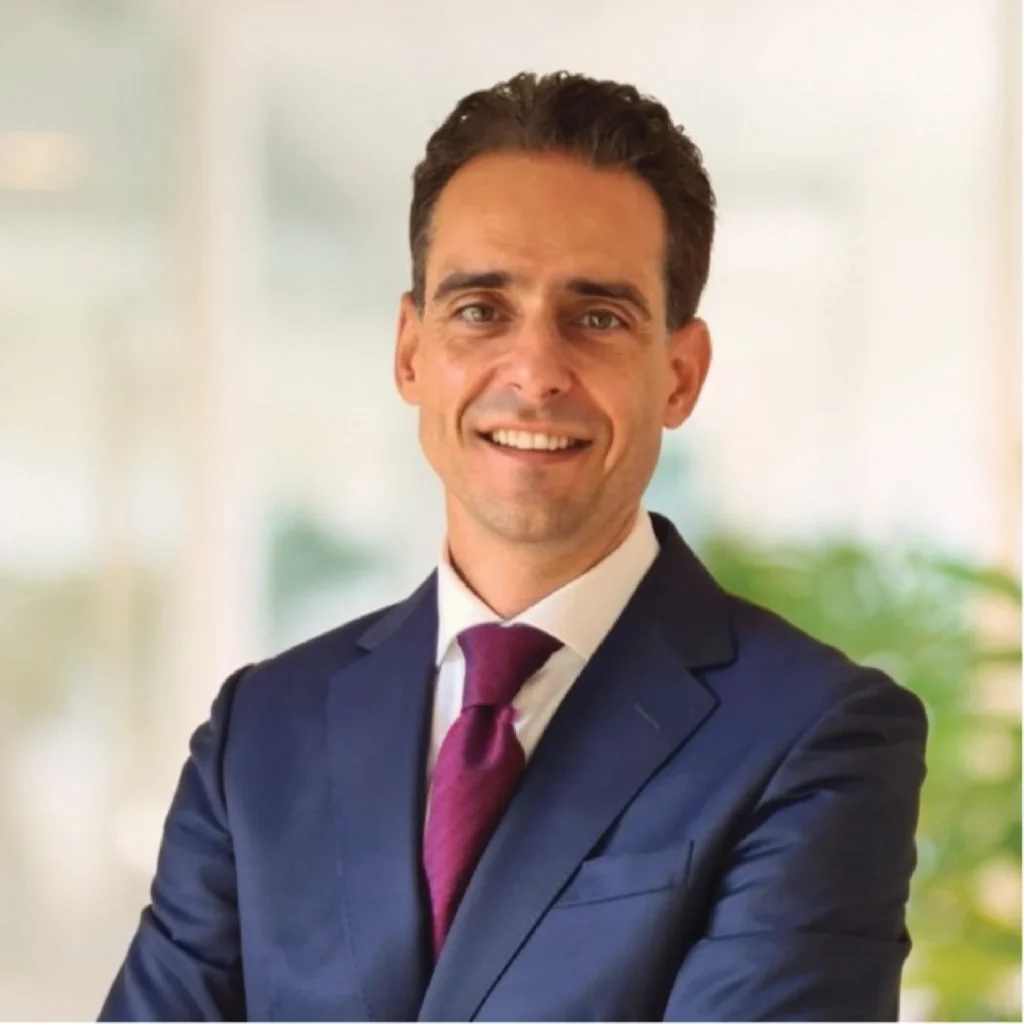
Petra Bárd
Moderator
Radboud University Nijmegen
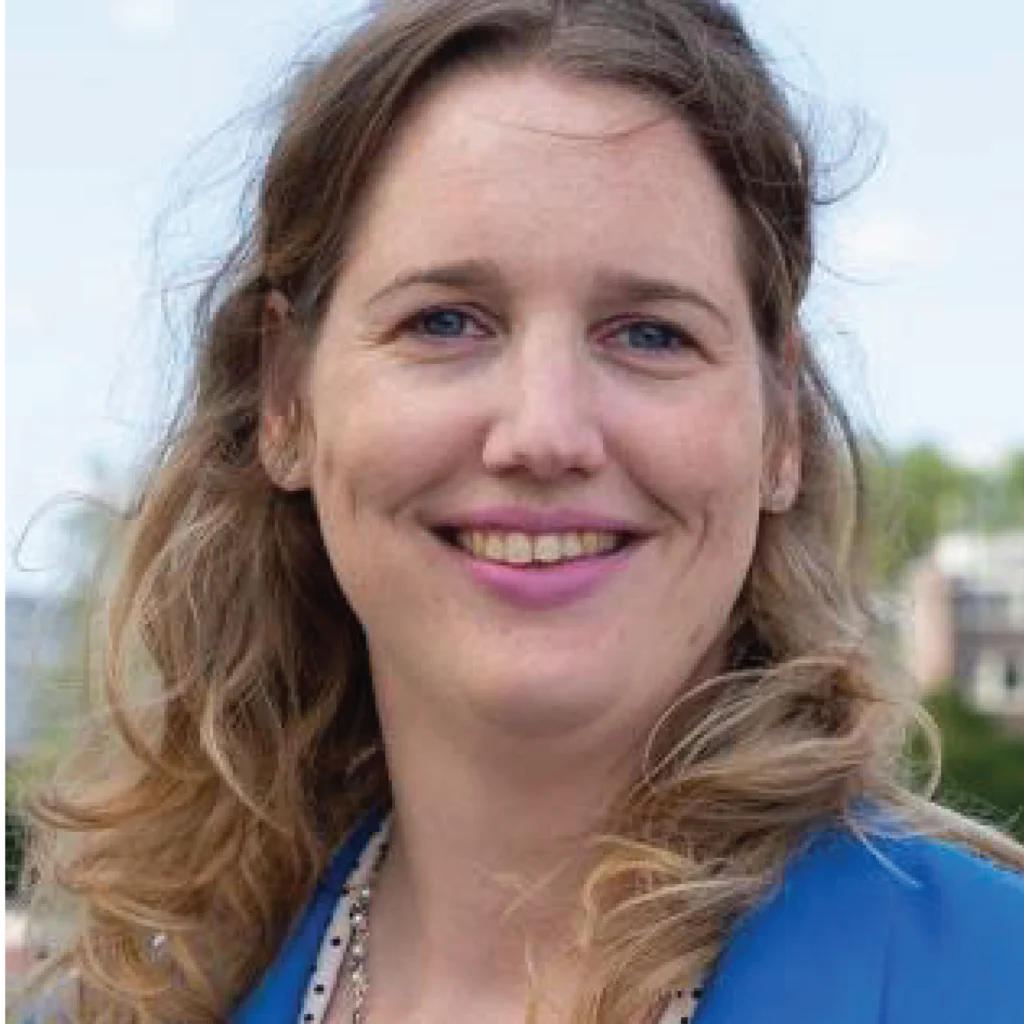
Shari Hinds
Senior Policy Officer – EU Political Integrity, Transparency International EU Office
Lampros Papadias
Secretary-General, European Ombudsman Office
Simone Cuomo
Secretary-General, Council of Bars and Law Societies of Europe
Petra Bárd
Moderator
Radboud University Nijmegen
Shari Hinds
Senior Policy Officer – EU Political Integrity, Transparency International EU Office
Lampros Papadias
Secretary-General, European Ombudsman Office
Simone Cuomo
Secretary-General, Council of Bars and Law Societies of Europe
15:15 - 16:30
ROOM 206
AI and the future of work: a new division of labour
Recent developments in generative AI have helped to democratise expertise, making knowledge more accessible to a wide range of non-expert workers. Meanwhile, however, many high- and middle skilled occupations continue to experience labour shortages. This lab session will explore how such advancements in AI could be leveraged to redesign jobs and organisations, addressing skill shortages and providing new career paths. (For further background, listen to this CEPS Tech podcast episode)
With:
Enrique Fernandez-Macias, Researcher and coordinating the Employment and Skills team, Joint Research Centre
Marlene de Koning, Directorand leading the HR Tech & Digital team, PwC Netherlands
Isabelle Schömann, European Trade Union Confederation (ETUC)
Isabella Loaiza Saa, Postdoctoral Associate, MIT Sloan School of Management
Laura Nurski, Associate Research Fellow and Head of Programme on Future of Work, CEPS (moderator)