Competition or competitiveness? At the intersection of competition and industrial policy
WHEN
3 March I 15:00 - 17:00
WHERE
Room 202
TOPICS
Industrial Policy
WHEN
3 March I 15:00 - 17:00
WHERE
Room 202
TOPICS
Industrial Policy
This session is by invitation only
If you’re interested in joining the discussion, please contact [email protected]
This session focuses on the interplay between industrial strategy and competition policy. More specifically, our participants debate how the industrial strategy and geoeconomic conditions may shift policymaking away from traditional regimes towards new economic fundamentals and policy frameworks.
This has already started to happen to some degree in the EU and the UK, with the Digital Markets Act and Digital Markets, Competition and Consumers Act, and with Donald Trump’s transactional and often country-specific, industry-specific, or product-specific trade practices.
The era of pervasive AI is further complicating the picture, especially as the impact on both competition and trade remains highly speculative. In the EU, the Draghi report urged aligning competition, trade and industrial policies, but no coherent efforts have yet been made to this end.
A recent report by Arjona-Gracia and Sauri Romero (2026) outlines avenues to build complementarity between competition and industrial policy. Recent works by the OECD and by think tanks like CEPS and IDDRI go in a similar direction. In this session, the authors of these works compare their views and work towards building a blueprint for the EU’s future industrial strategy.
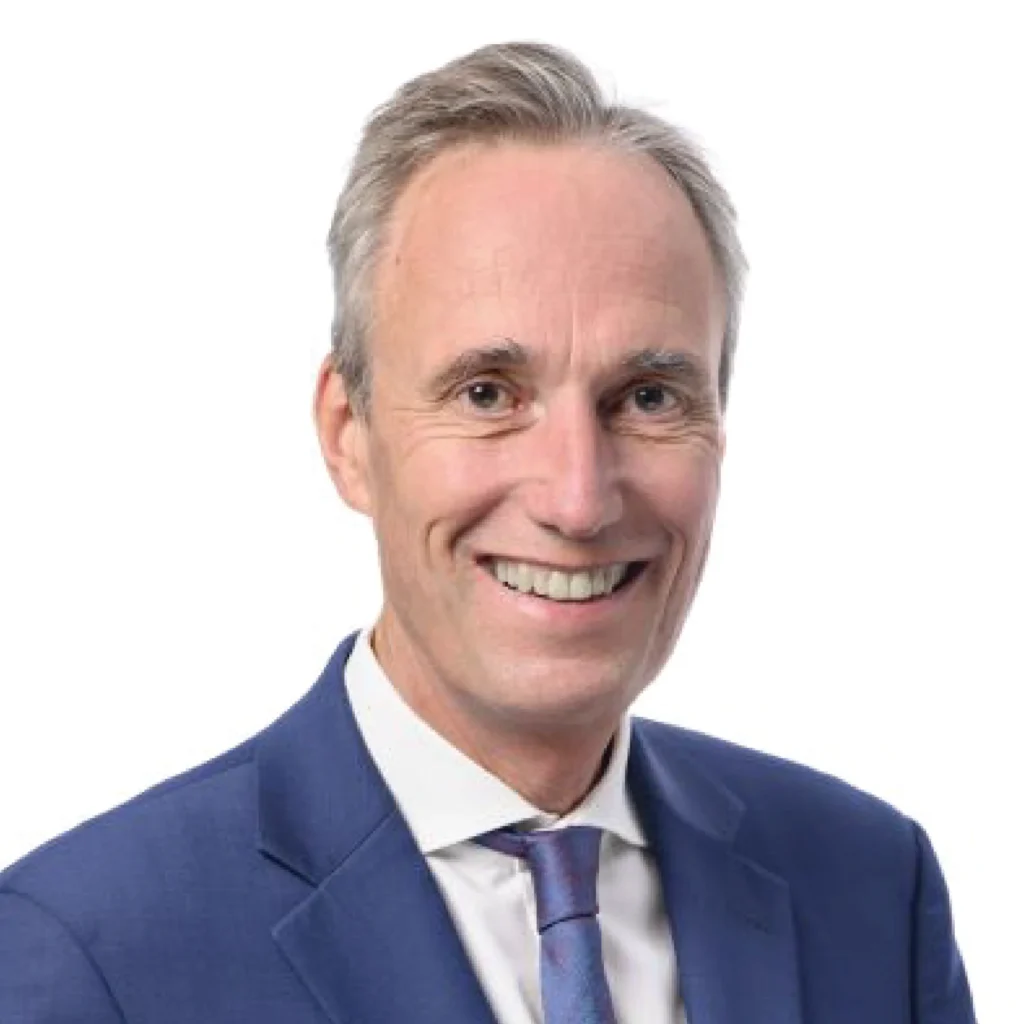
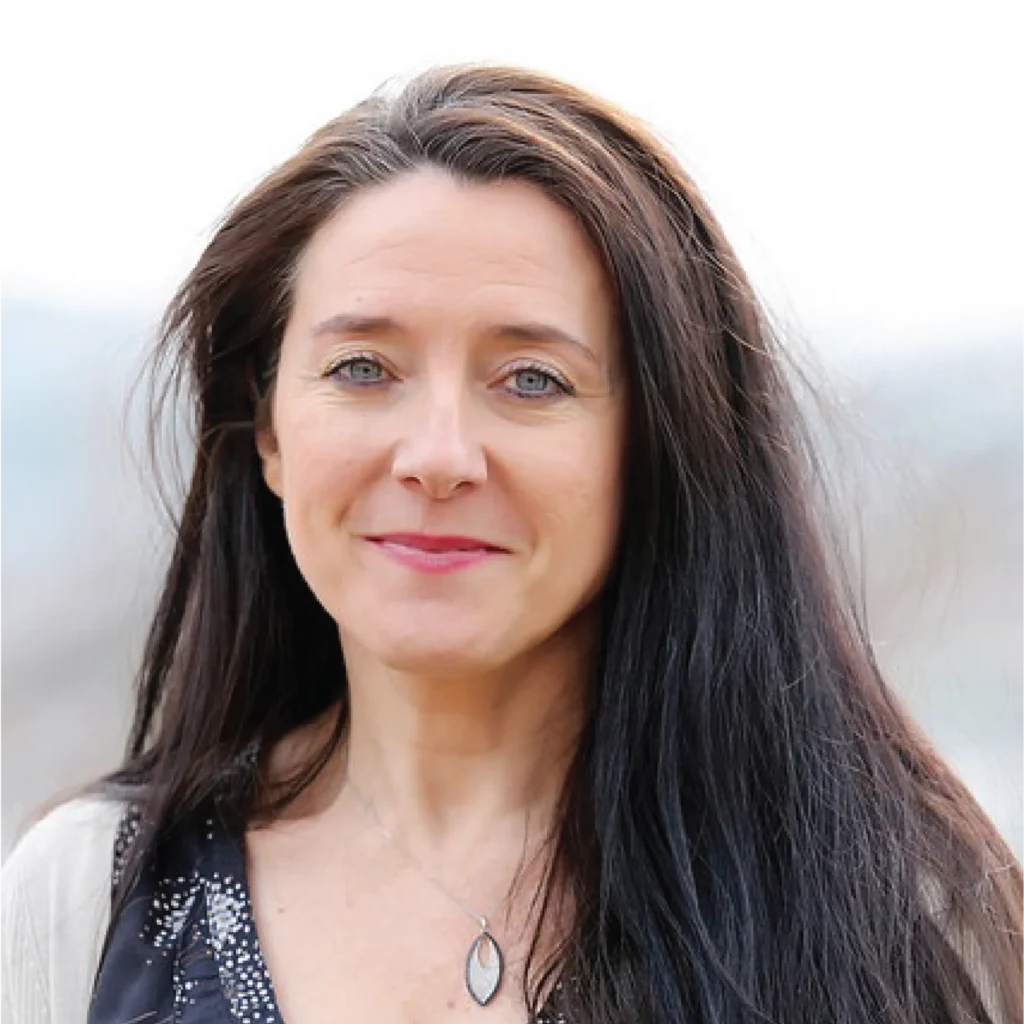
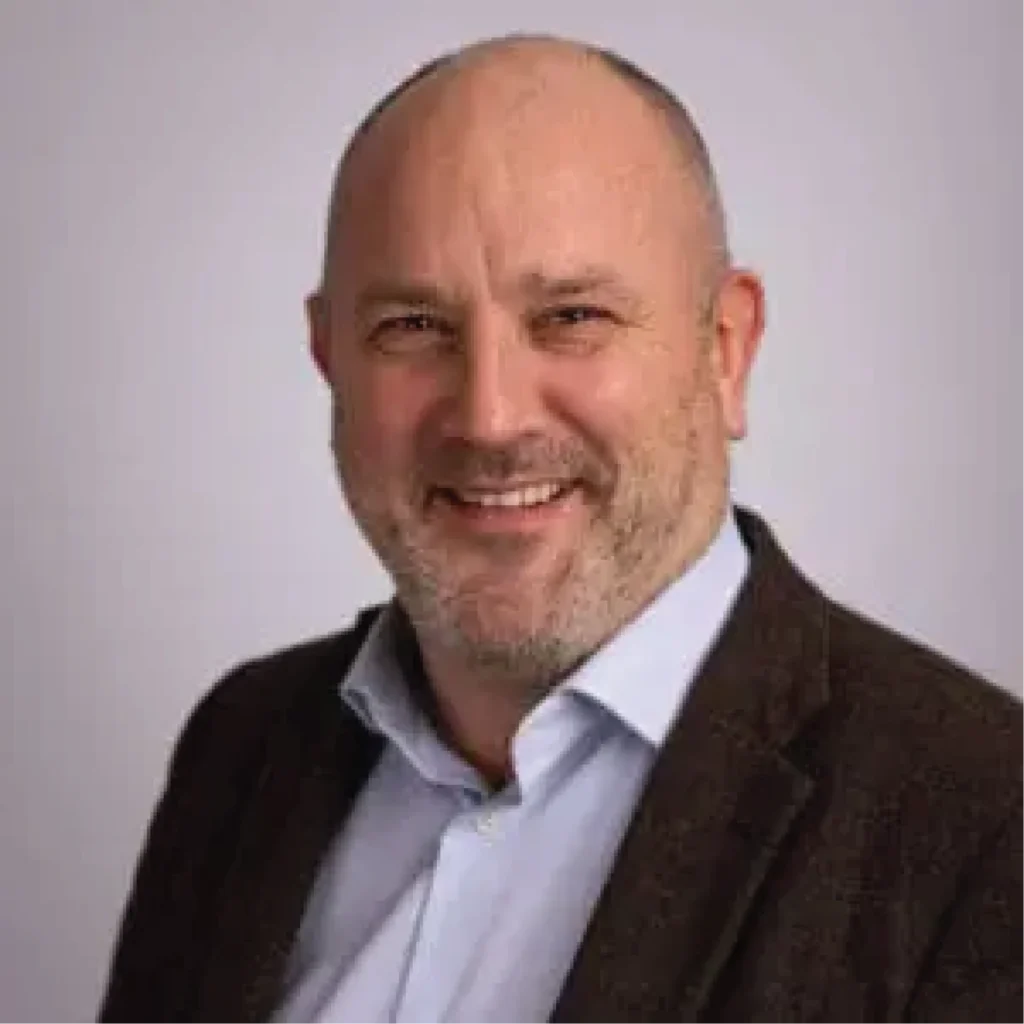
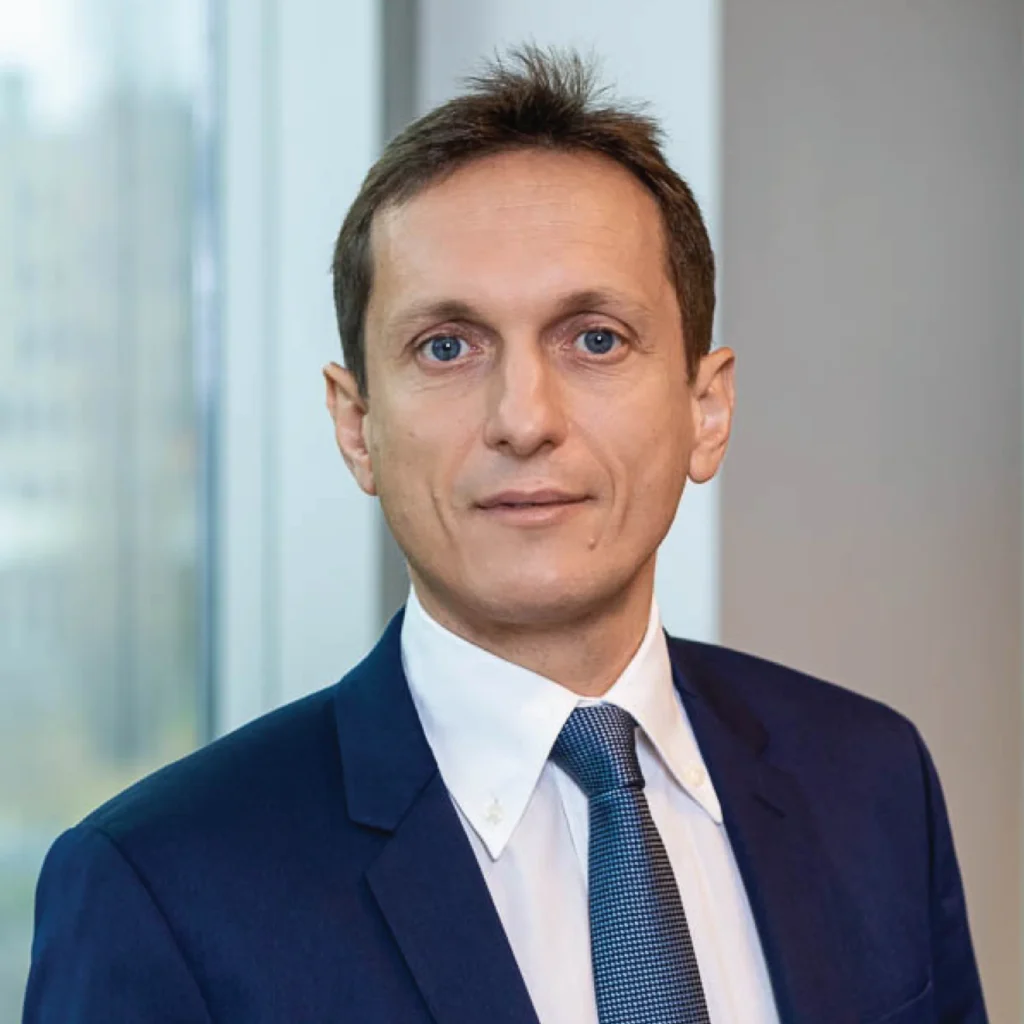
Speakers
Andrea Renda
Moderator
Director of Research, CEPS
Diane Coyle
Bennett Professor of Public Policy, University of Cambridge
Roman Arjona-Gracia
Chief Economist DG GROW, European Commission
Lluis Saurí
Head of Unit at the Chief Economist Team of the Directorate General for Competition of the European Commission
Martin Raiser
Senior Representative for European Economic Cooperation, The World Bank
Emmanuelle Auriol
Professor of Economics, Toulouse School of Economics
Alexandre de Streel
Academic Director, CERRE
Paolo Pasimeni
Head of Unit Common R&I Strategy & Foresight Service at the DG for Research and Innovation (DG RTD), European Commission
Alexandr Hobza
Expert, Cabinet of Executive Vice-President Stéphane Séjourné
Marion Jansen
Director of the Trade and Agriculture Directorate at the OECD
Helena Malikova
DG COMP, European Commission
Albert Bravo-Biosca
Director, Innovation Growth Lab
Celine Kauffmann
Chief Programmes Officer, IDDRI
Nicholas Berghmans
Director, New industrial policies programme, IDDRI
Filomena Chirico
Head of Unit Digital Markets, DG CNECT, European Commission
Brian Kahin
Associate Fellow at the Technology Policy & Research Initiative, Digital Economy Fellow at OECD’s Directorate of Science, Technology and Innovation, Senior Fellow at the Computer & Communications Industry Association (CCIA)
Anna Kinberg Batra
Director general of the government offices of Sweden
Andrea Renda
Moderator
Director of Research, CEPS
Diane Coyle
Bennett Professor of Public Policy, University of Cambridge
Roman Arjona-Gracia
Chief Economist DG GROW, European Commission
Lluis Saurí
Head of Unit at the Chief Economist Team of the Directorate General for Competition of the European Commission
Martin Raiser
Senior Representative for European Economic Cooperation, The World Bank
Emmanuelle Auriol
Professor of Economics at Toulouse School of Economics
Alexandre de Streel
Academic Director, CERRE
Paolo Pasimeni
Head of Unit Common R&I Strategy & Foresight Service at the DG for Research and Innovation (DG RTD), European Commission
Alexandr Hobza
Expert, Cabinet of Executive Vice-President Stéphane Séjourné
Marion Jansen
Director of the Trade and Agriculture Directorate at the OECD
Helena Malikova
DG COMP, European Commission
Albert Bravo-Biosca
Director, Innovation Growth Lab
Celine Kauffmann
Chief Programmes Officer, IDDRI
Nicholas Berghmans
Director, New industrial policies programme, IDDRI
Filomena Chirico
Head of Unit Digital Markets, DG CNECT, European Commission
Brian Kahin
Associate Fellow at the Technology Policy & Research Initiative, Digital Economy Fellow at OECD’s Directorate of Science, Technology and Innovation, Senior Fellow at the Computer & Communications Industry Association (CCIA)
Anna Kinberg Batra
Director general of the government offices of Sweden
15:15 - 16:30
ROOM 206
AI and the future of work: a new division of labour
Recent developments in generative AI have helped to democratise expertise, making knowledge more accessible to a wide range of non-expert workers. Meanwhile, however, many high- and middle skilled occupations continue to experience labour shortages. This lab session will explore how such advancements in AI could be leveraged to redesign jobs and organisations, addressing skill shortages and providing new career paths. (For further background, listen to this CEPS Tech podcast episode)
With:
Enrique Fernandez-Macias, Researcher and coordinating the Employment and Skills team, Joint Research Centre
Marlene de Koning, Directorand leading the HR Tech & Digital team, PwC Netherlands
Isabelle Schömann, European Trade Union Confederation (ETUC)
Isabella Loaiza Saa, Postdoctoral Associate, MIT Sloan School of Management
Laura Nurski, Associate Research Fellow and Head of Programme on Future of Work, CEPS (moderator)