Plenary 4: Rewriting the future of industrial strategy
WHEN
03 March I 09:30 - 10:45
WHERE
Silver Hall
TOPICS
Industrial Strategy
WHEN
03 March I 09:30 - 10:45
WHERE
Silver Hall
TOPICS
Industrial Strategy
In recent years, proactive industrial policy has returned to the forefront of economic strategy. But today’s challenges demand more than traditional efficiency-based tools. Governments are now expected to balance competitiveness, security, sovereignty and strategic autonomy with economic, social and environmental sustainability.
Navigating this complexity requires faster, more agile decision-making and a clear-eyed assessment of trade-offs between competing goals. At the same time, new general-purpose technologies such as artificial intelligence are reshaping the economy itself, transforming how knowledge is created and how work is organised within firms.
How can governments overcome this challenge? And how can the EU design an industrial strategy that effectively combines trade, competition and digital policies with a more assertive industrial approach? This plenary session brings together leading economists and policymakers to explore how sharper governance and bold new economic thinking can help the EU shape its industrial future.
Speakers
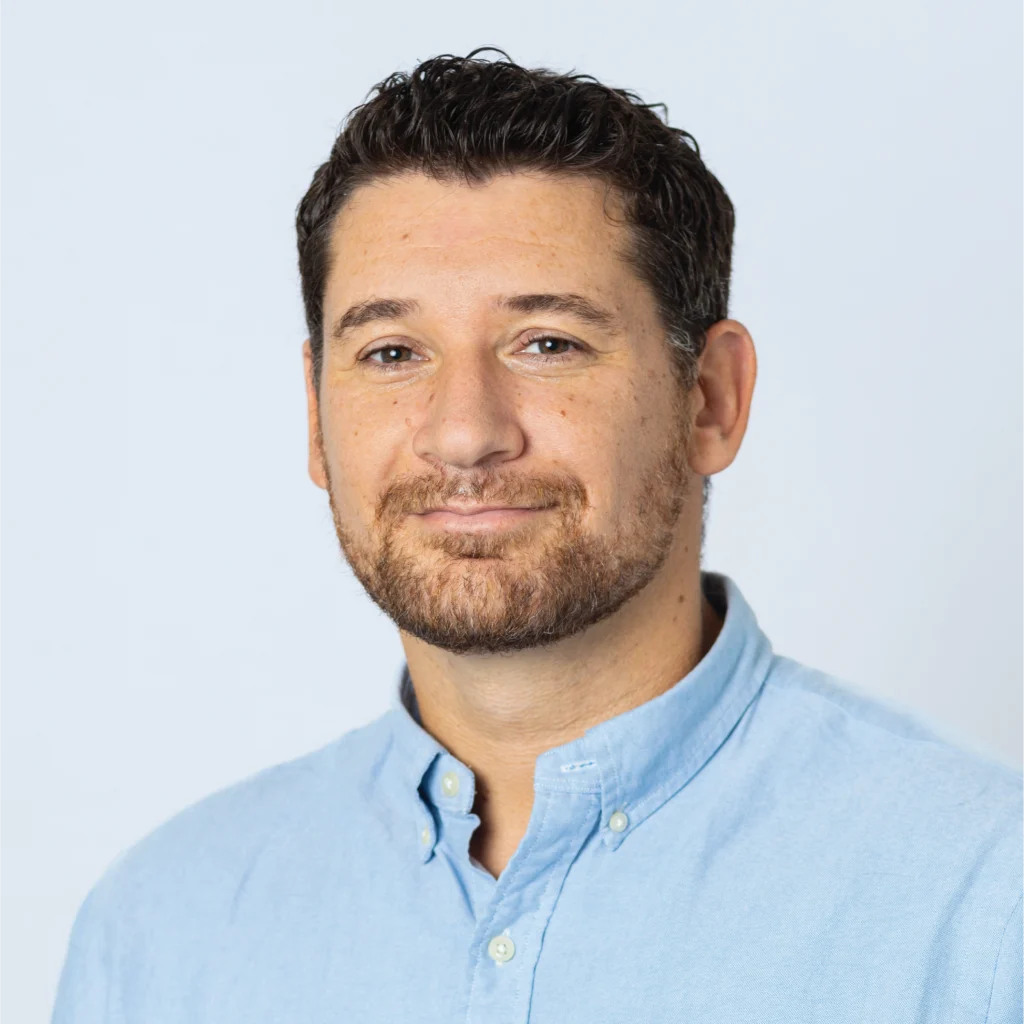
Pierre-Alexandre Balland
Moderator
Chief Data Scientist, CEPS
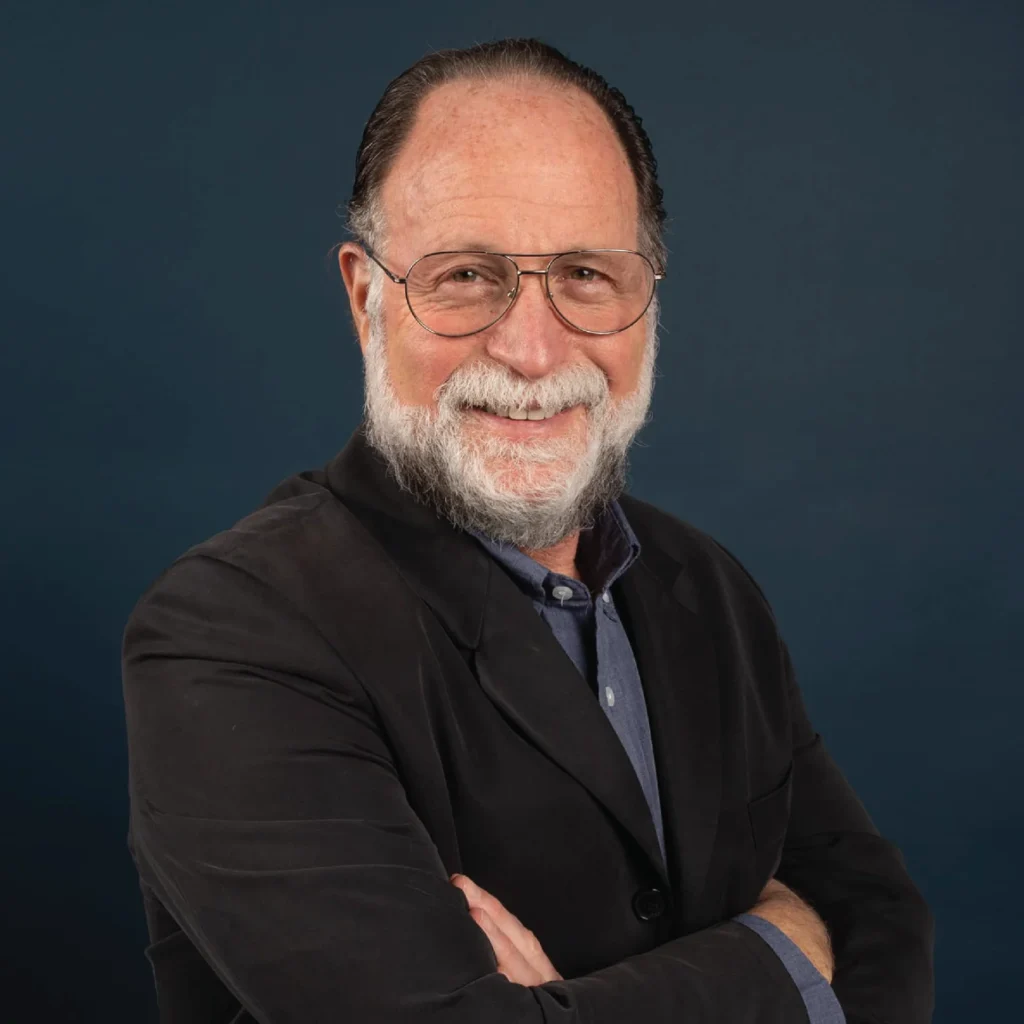
Ricardo Hausmann
Director of the Growth Lab and Rafik Hariri Professor of the Practice of International Political Economy, Harvard Kennedy School, Harvard University
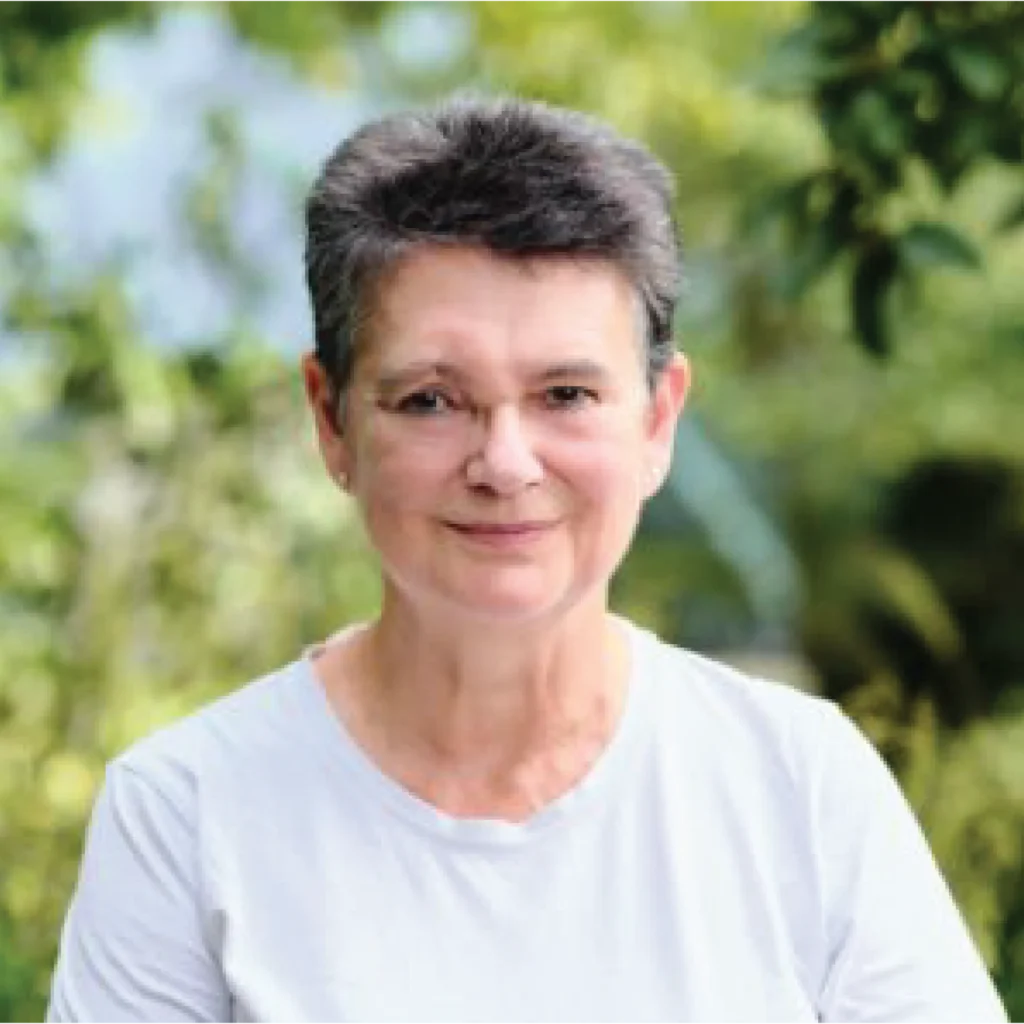
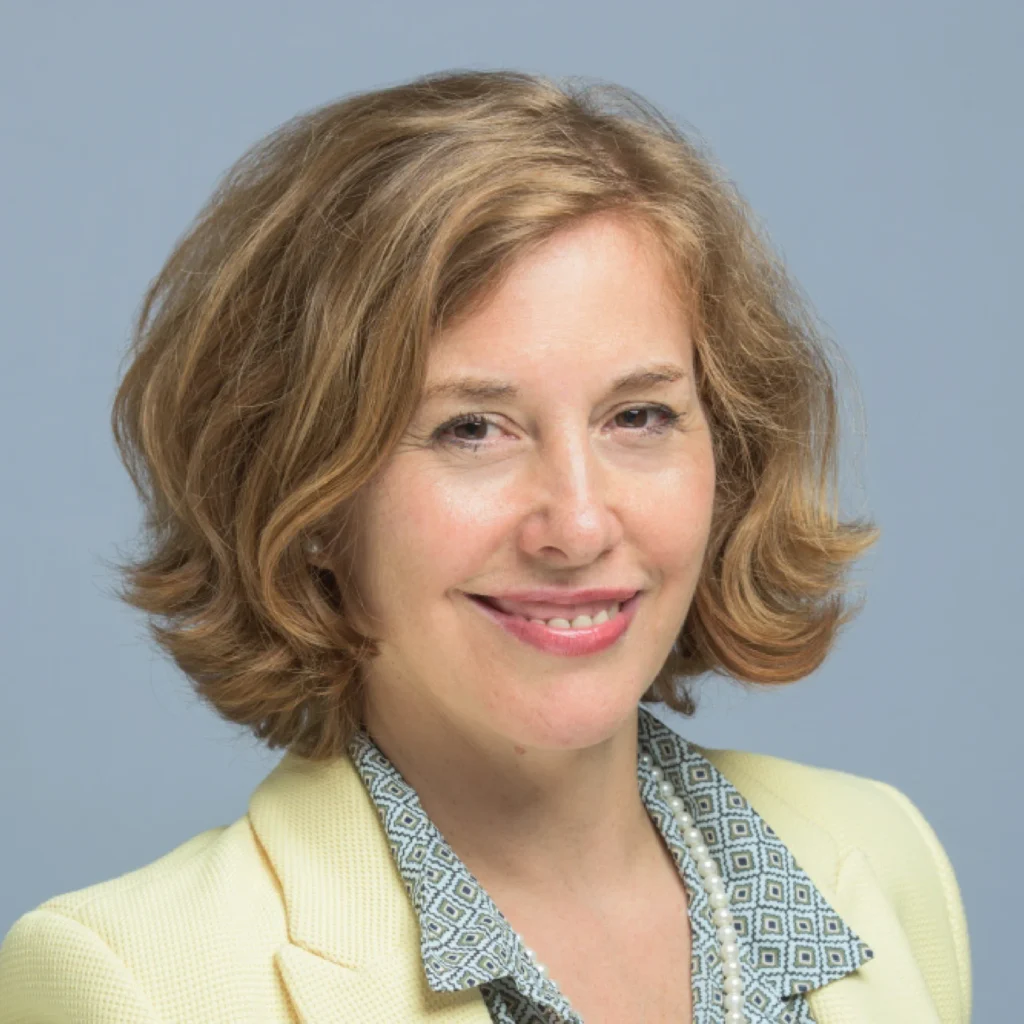
Diane Coyle
Bennett Professor of Public Policy, University of Cambridge
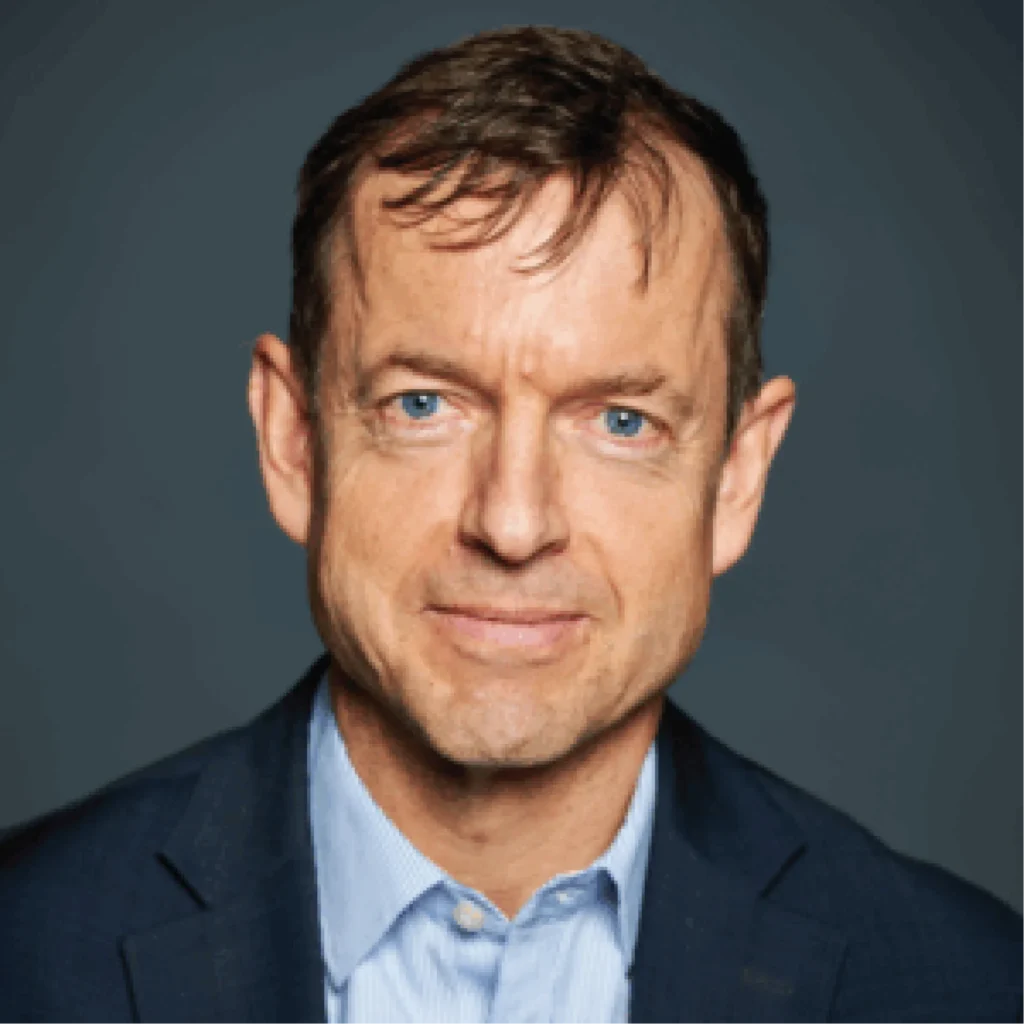
Martin Raiser
Senior Representative for European Economic Cooperation, World Bank
Daniel Gros
Member of the Board and Distinguished Fellow at CEPS Director of the Institute for European Policymaking at Bocconi University
Alicia Herrero
Chief Economist for Asia Pacific at Natixis, Professor at Hong Kong University of Science and Technology
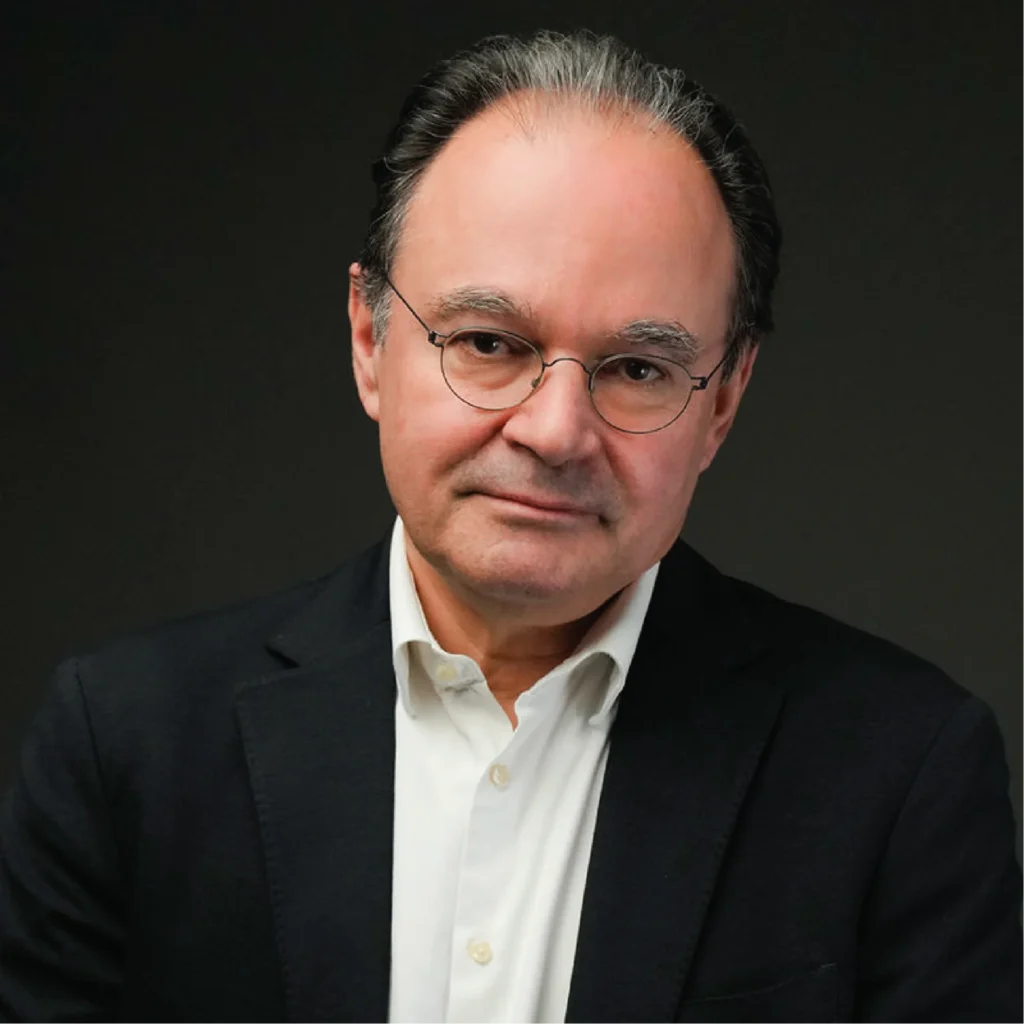
George Papaconstantinou
Professor at Florence School of Transnational Governance, EUI
Pierre-Alexandre Balland
Moderator
Chief Data Scientist, CEPS
Ricardo Hausmann
Director of the Growth Lab and Rafik Hariri Professor of the Practice of International Political Economy, Harvard Kennedy School, Harvard University
Diane Coyle
Bennett Professor of Public Policy, University of Cambridge
Martin Raiser
Senior Representative for European Economic Cooperation, World Bank
Daniel Gros
Member of the Board and Distinguished Fellow at CEPS Director of the Institute for European Policymaking at Bocconi University
Alicia Herrero
Chief Economist for Asia Pacific at Natixis, Professor at Hong Kong University of Science and Technology
George Papaconstantinou
Professor at Florence School of Transnational Governance, EUI
15:15 - 16:30
ROOM 206
AI and the future of work: a new division of labour
Recent developments in generative AI have helped to democratise expertise, making knowledge more accessible to a wide range of non-expert workers. Meanwhile, however, many high- and middle skilled occupations continue to experience labour shortages. This lab session will explore how such advancements in AI could be leveraged to redesign jobs and organisations, addressing skill shortages and providing new career paths. (For further background, listen to this CEPS Tech podcast episode)
With:
Enrique Fernandez-Macias, Researcher and coordinating the Employment and Skills team, Joint Research Centre
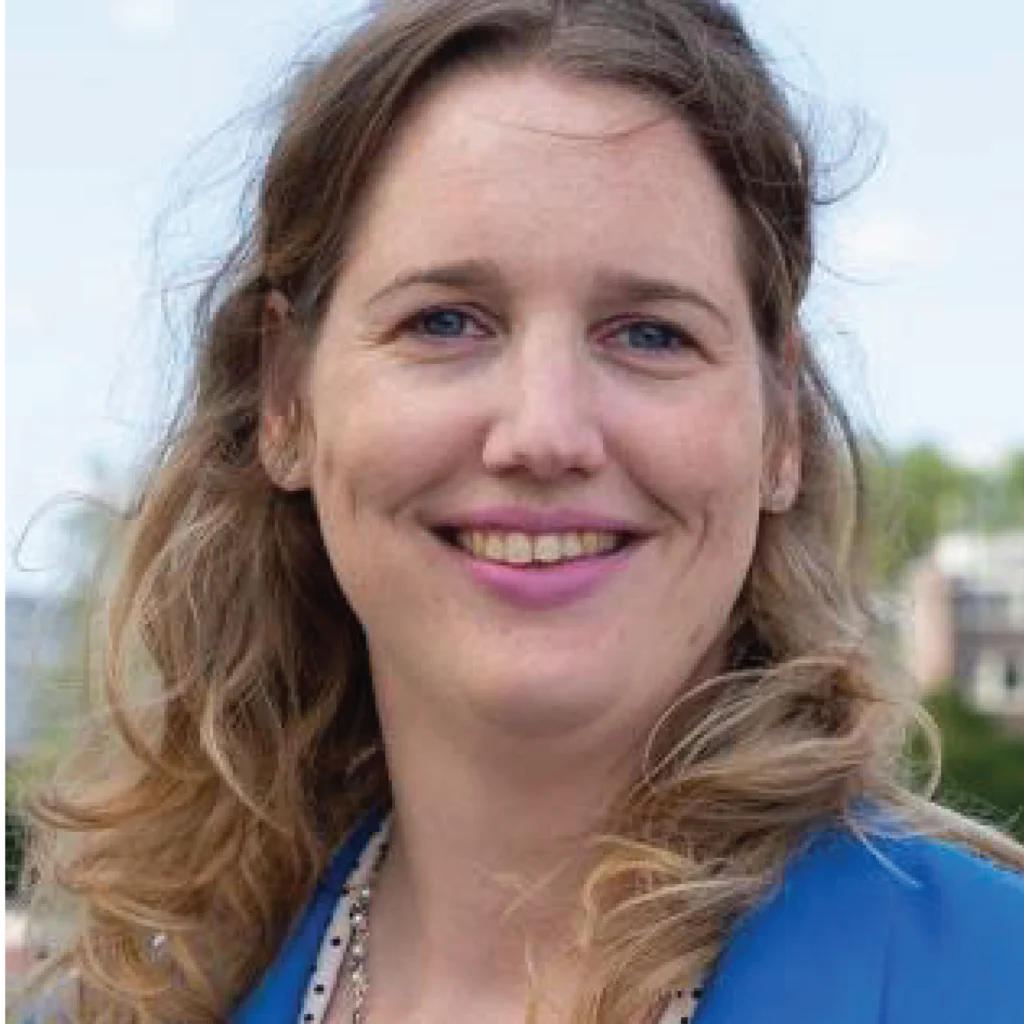
Marlene de Koning, Directorand leading the HR Tech & Digital team, PwC Netherlands
Isabelle Schömann, European Trade Union Confederation (ETUC)
Isabella Loaiza Saa, Postdoctoral Associate, MIT Sloan School of Management
Laura Nurski, Associate Research Fellow and Head of Programme on Future of Work, CEPS (moderator)