The European Union’s engagement in Gaza is passive at best, haphazard at worst. Hampered by internal divisions, the Union has made little progress in formulating a coherent response to Gaza’s humanitarian needs or in contributing to peacebuilding in the region. The lack of unity also continues to damage the EU’s reputation in the wider world, not least in the Global South.
While Brussels stammers, Washington vociferates and the ceasefire falters. A role for the EU in Trump’s peace plan isn’t guaranteed, and dialogues with Arab states have yet to yield result. That said, European funds and expertise will still be in demand to rebuild Gaza from the ground up.
This Lab session asks whether the new Middle East strategy and Pact for the Mediterranean help to restore the EU’s credibility as an effective force for peace.
Speakers
Fanny Sauvignon
Moderator
Foreign Policy Researcher, CEPS
Amal Jadou- Shakaa
Ambassador of Palestine to Belgium, Luxembourg, and the European Union
Christian Koch
Director of the Gulf Research Center Foundation
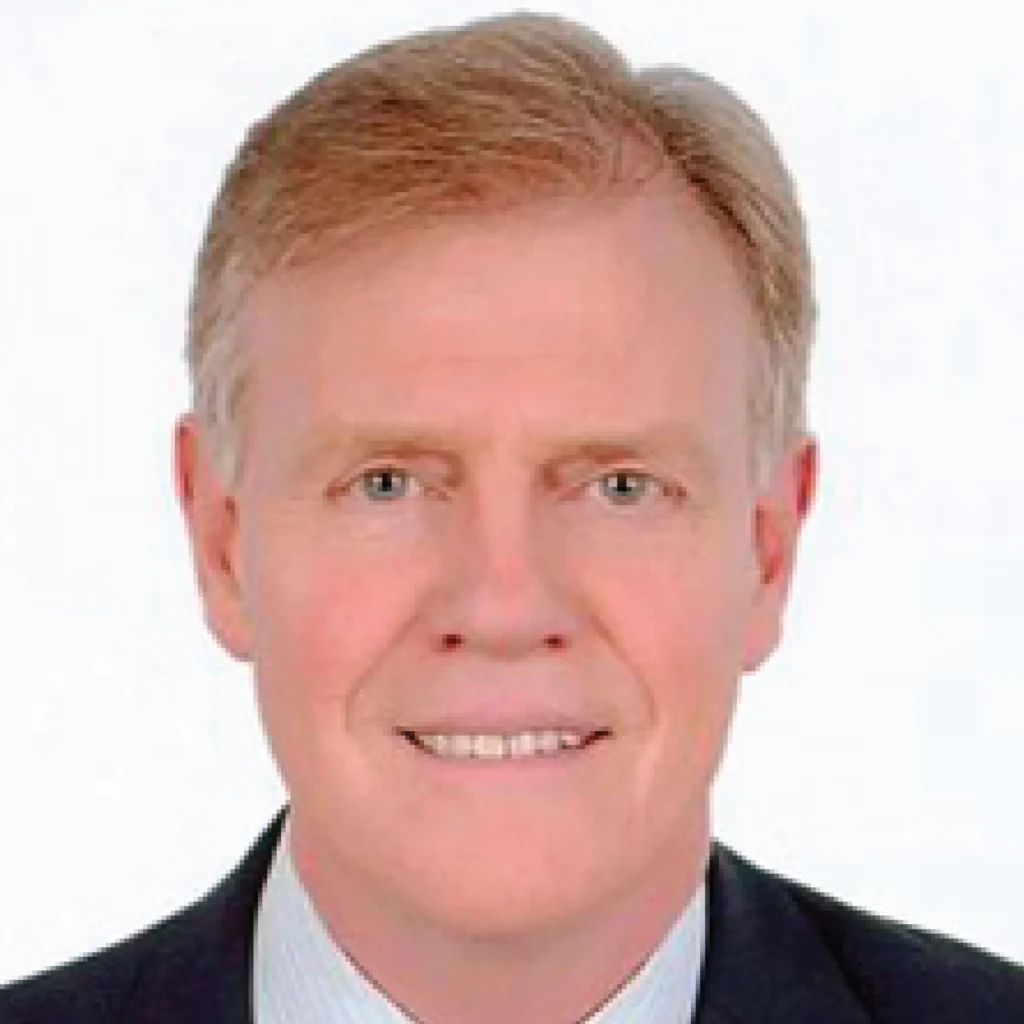
James Moran
Associate Senior Research Fellow at CEPS, former EU Ambassador to Egypt
Fanny Sauvignon
Moderator
Foreign Policy Researcher, CEPS
Amal Jadou- Shakaa
Ambassador of Palestine to Belgium, Luxembourg, and the European Union
Christian Koch
Director of the Gulf Research Center Foundation
James Moran
Associate Senior Research Fellow at CEPS, former EU Ambassador to Egypt
15:15 - 16:30
ROOM 206
AI and the future of work: a new division of labour
Recent developments in generative AI have helped to democratise expertise, making knowledge more accessible to a wide range of non-expert workers. Meanwhile, however, many high- and middle skilled occupations continue to experience labour shortages. This lab session will explore how such advancements in AI could be leveraged to redesign jobs and organisations, addressing skill shortages and providing new career paths. (For further background, listen to this CEPS Tech podcast episode)
With:
Enrique Fernandez-Macias, Researcher and coordinating the Employment and Skills team, Joint Research Centre
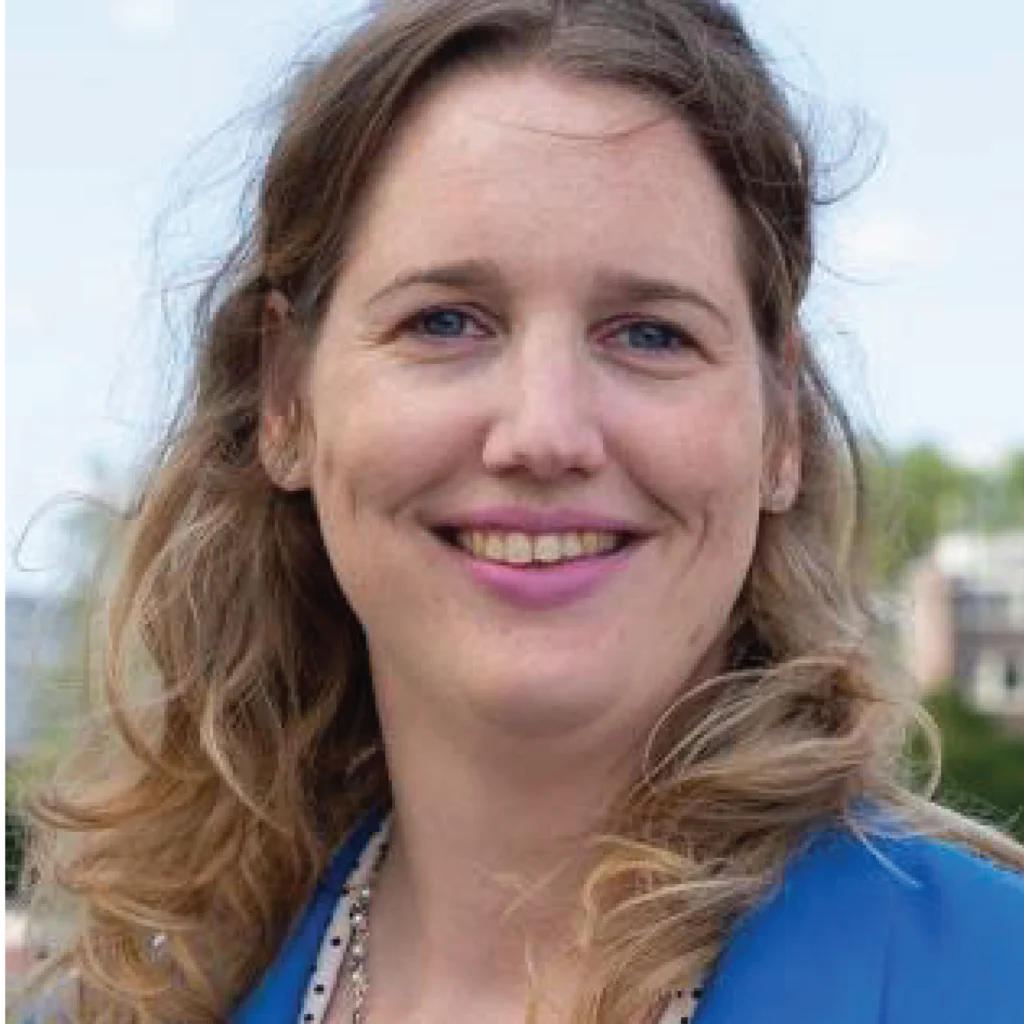
Marlene de Koning, Directorand leading the HR Tech & Digital team, PwC Netherlands
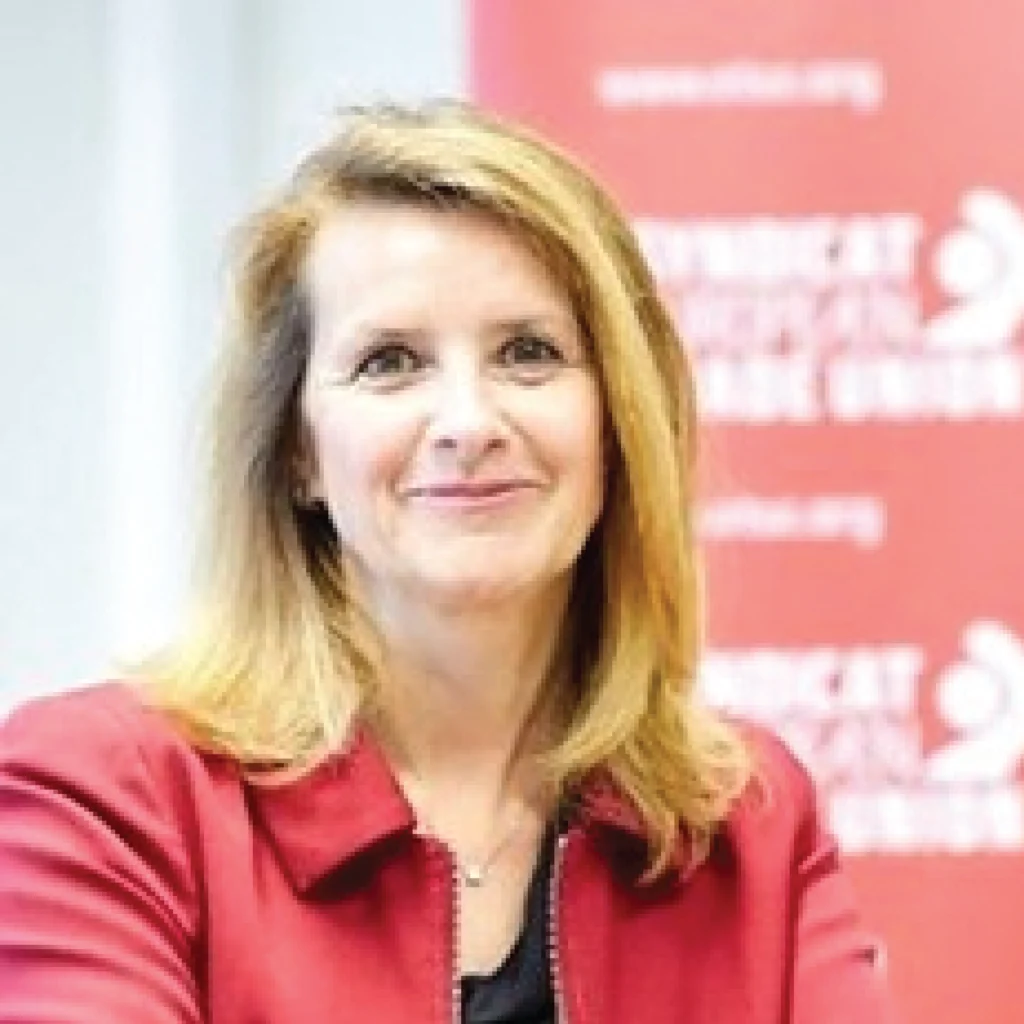
Isabelle Schömann, European Trade Union Confederation (ETUC)
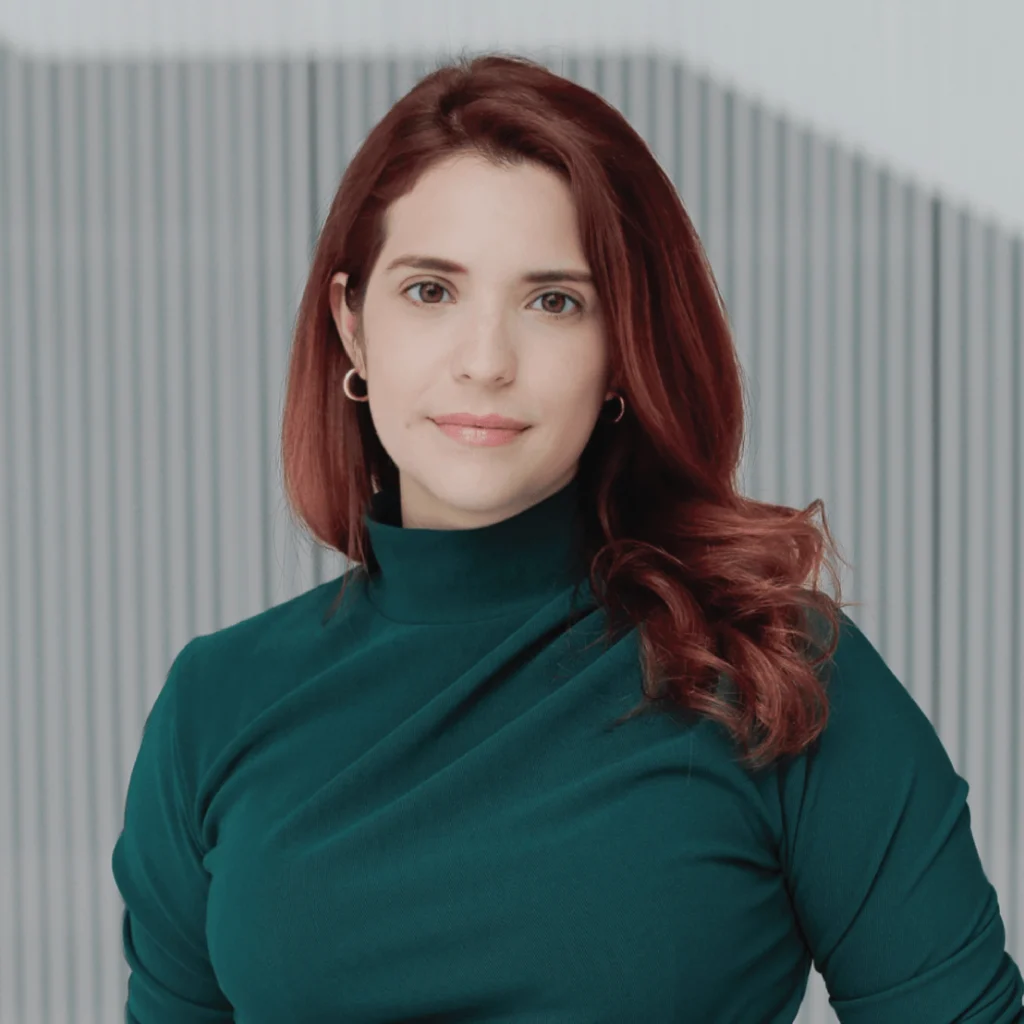
Isabella Loaiza Saa, Postdoctoral Associate, MIT Sloan School of Management
Laura Nurski, Associate Research Fellow and Head of Programme on Future of Work, CEPS (moderator)