Tax is no longer just a matter of revenue collection. Across advanced economies, it is becoming a tool of economic strategy used to attract investment, steer corporate behaviour, support decarbonisation and business model reinvention, and manage distributional tensions in an era of geopolitical fragmentation. At the same time, digitalisation and AI are transforming tax administration and enforcement, making systems faster, more data-driven and, often, more intrusive – raising the importance of data management for both taxpayers and authorities. The result is a ‘new tax order’ in which tax policy is more visible, more contested and more consequential for businesses and citizens alike.
This Lab session explores what this shift means for Europe’s competitiveness and cohesion. How do we promote economic growth through decarbonisation, and what is the right role for tax incentives? What does effective data governance look like when compliance becomes continuous and automated? And how should policymakers respond to rising political pressure for redistribution, including renewed debate on wealth taxation, without adding a new layer of fragmentation across the Single Market?
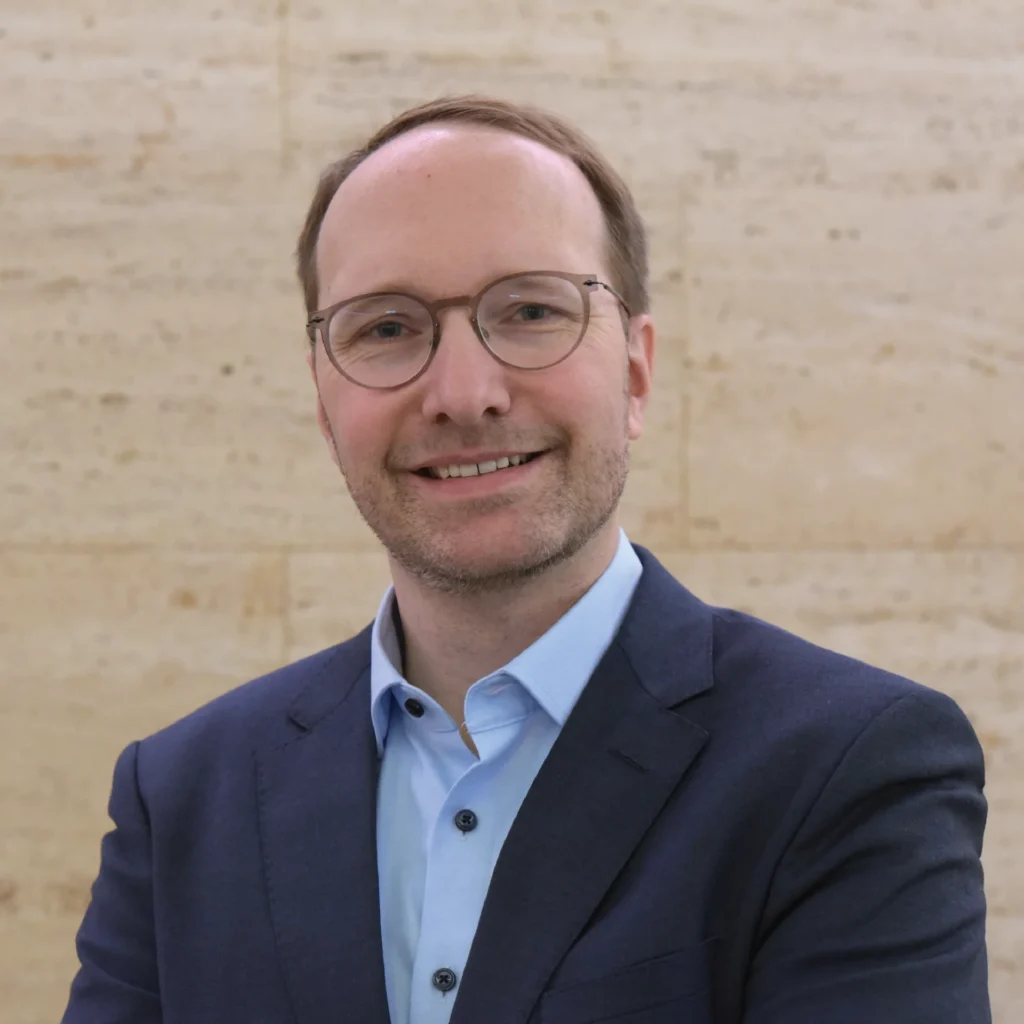
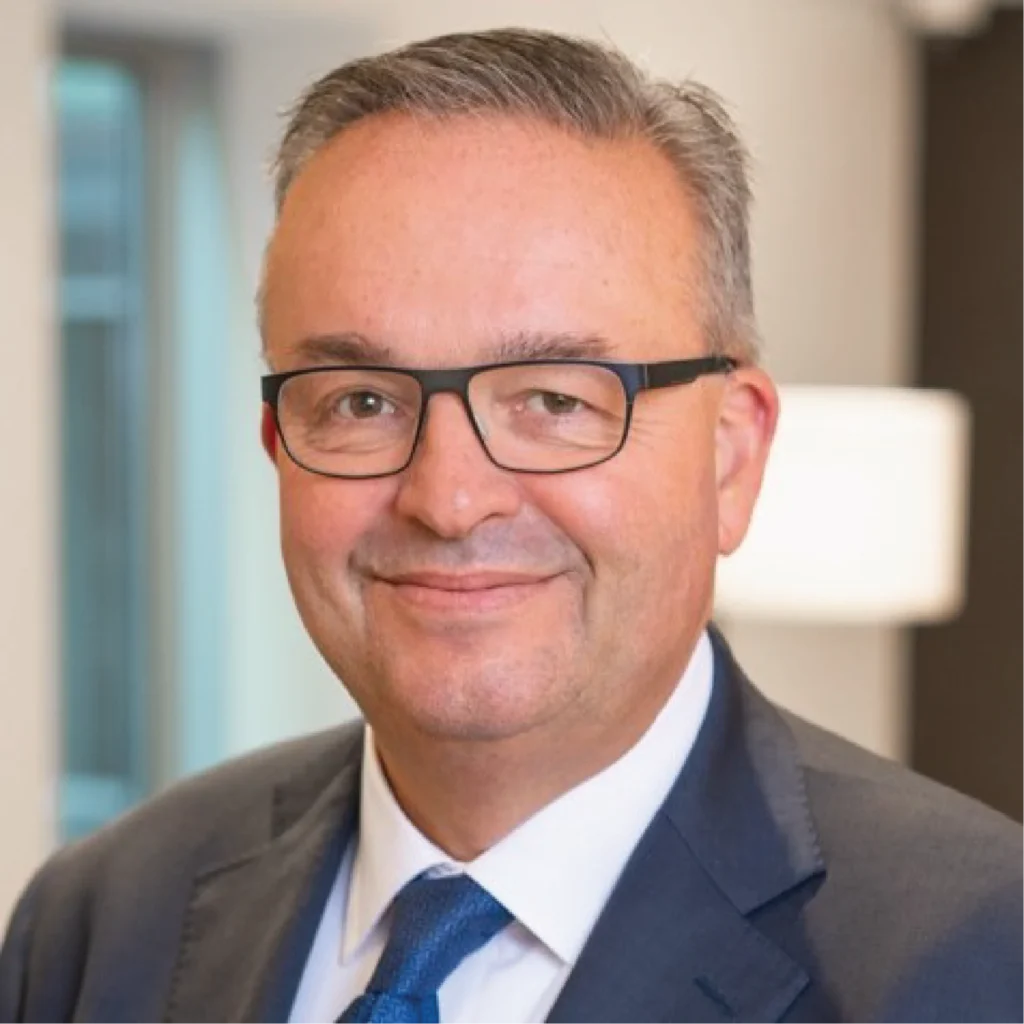
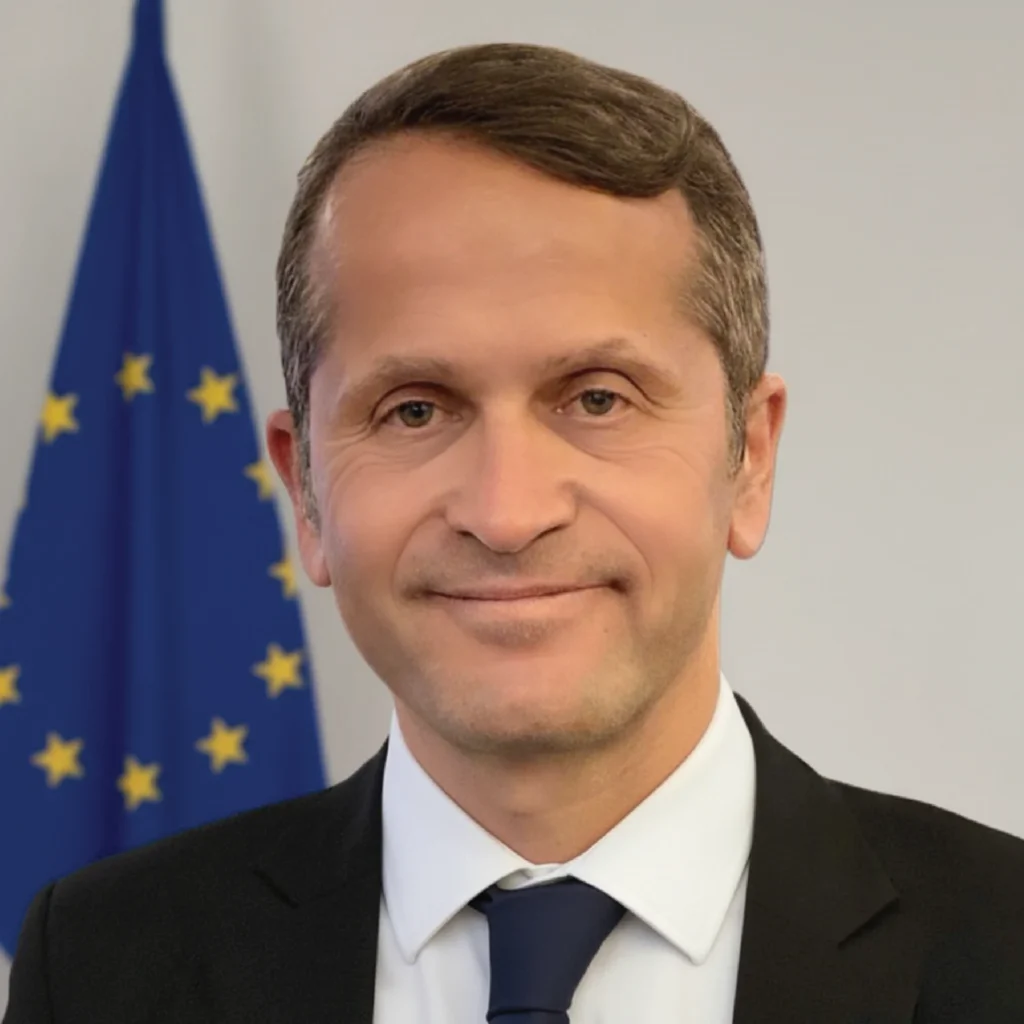
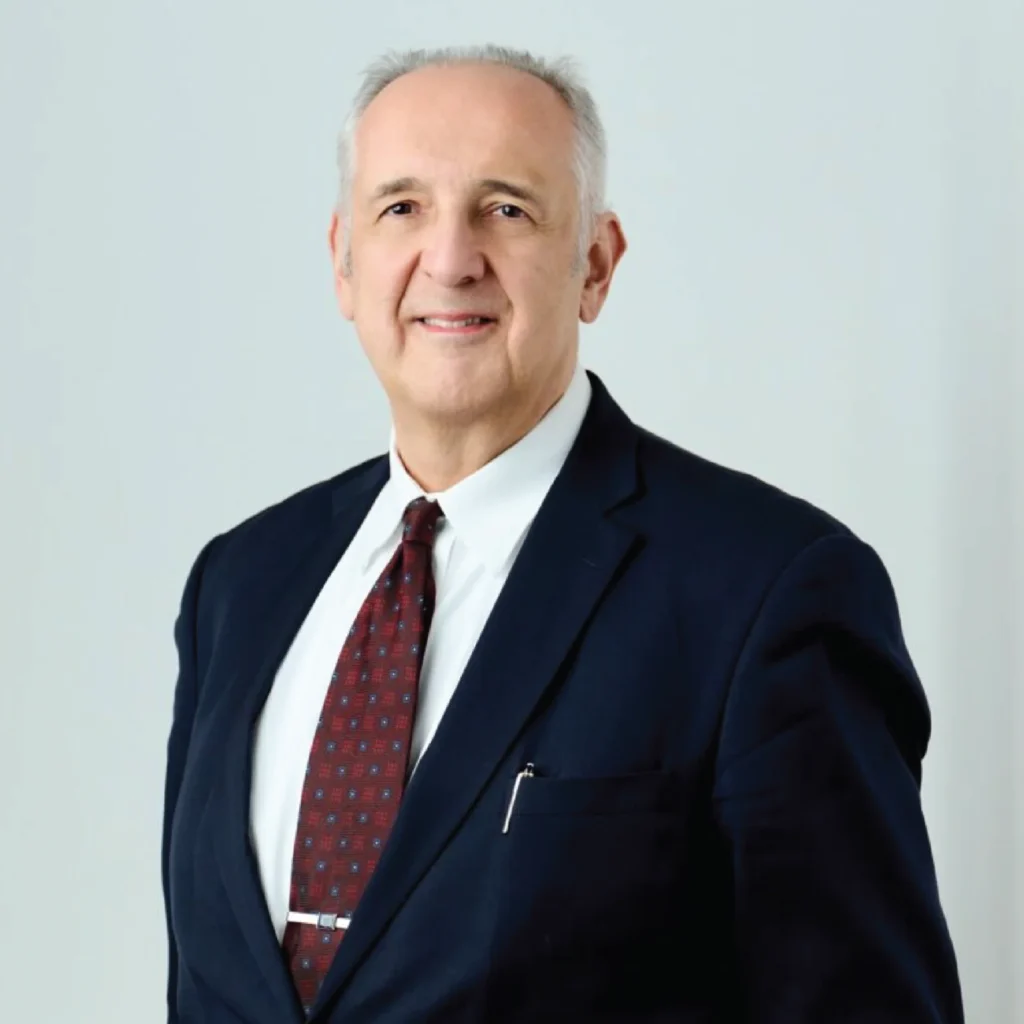
Speakers
Elodie Lamer
Moderator
Journalist, Tax Notes
Jost Heckemeyer
Professor of Business Accounting and Taxation, Kiel University
Edwin Visser
Deputy Global Tax Policy Leader and EMEA Tax Policy Leader, PwC Netherlands
Dr. Aleksandar Ivanovski
Director, CFE Tax Advisers Europe
Benjamin Angel
Director for Direct taxation, Tax coordination, Economic analysis and Evaluation, DG TAXUD, European Commission
Lúcio Vinhas de Souza
Chief economist and director of the economics department, BusinessEurope
Elodie Lamer
Moderator
Journalist, Tax Notes
Jost Heckemeyer
Professor of Business Accounting and Taxation, Kiel University
Edwin Visser
Deputy Global Tax Policy Leader and EMEA Tax Policy Leader, PwC Netherlands
Dr. Aleksandar Ivanovski
Director, CFE Tax Advisers Europe
Benjamin Angel
Director for Direct taxation, Tax coordination, Economic analysis and Evaluation, DG TAXUD, European Commission
Lúcio Vinhas de Souza
Chief economist and director of the economics department, BusinessEurope
15:15 - 16:30
ROOM 206
AI and the future of work: a new division of labour
Recent developments in generative AI have helped to democratise expertise, making knowledge more accessible to a wide range of non-expert workers. Meanwhile, however, many high- and middle skilled occupations continue to experience labour shortages. This lab session will explore how such advancements in AI could be leveraged to redesign jobs and organisations, addressing skill shortages and providing new career paths. (For further background, listen to this CEPS Tech podcast episode)
With:
Enrique Fernandez-Macias, Researcher and coordinating the Employment and Skills team, Joint Research Centre
Marlene de Koning, Directorand leading the HR Tech & Digital team, PwC Netherlands
Isabelle Schömann, European Trade Union Confederation (ETUC)
Isabella Loaiza Saa, Postdoctoral Associate, MIT Sloan School of Management
Laura Nurski, Associate Research Fellow and Head of Programme on Future of Work, CEPS (moderator)