The EU transition to quantum safe: an entangled discussion
WHEN
02 March I 15:15 - 16:30
WHERE
Room 201B
TOPICS
Quantum
WHEN
02 March I 15:15 - 16:30
WHERE
Room 201B
TOPICS
Quantum
As the EU accelerates its preparations for the post-quantum era, the Network and Information Systems (NIS) Cooperation Group’s post-quantum cryptography (PQC) roadmap provides clear milestones, indicative timelines and step-by-step guidance for Member States – with the first such milestone as soon as December 2026.
However, there are significant risks in pursuing an EU quantum-safe roadmap without a coordinated transition strategy. A roadmap must specify what milestones are required and by when, but only a supporting strategy can define how Member States, vendors and institutions will meet them. Without synchronised standards, certification schemes, interoperability frameworks and testing infrastructures, regulation may outpace readiness. The roadmap should therefore be embedded in a broader EU framework that aligns national plans, industry efforts, and regulatory tools, ensuring coordination across the current regulations, and guided by the institutional actors of the EU Agency for Cybersecurity (ENISA), the European Commission and standardisation bodies to deliver a coherent, actionable transition.
This Lab session explores the practical, political and technical steps required to translate the NIS Group’s roadmap into an actionable EU-wide quantum transition strategy. The discussion brings together key actors, including national cybersecurity agencies, the European Commission, academics and standardisation bodies to create a harmonised and scalable PQC transition across Europe.
Speakers
Lorenzo Pupillo
Moderator
Associate Senior Research Fellow and Head of the Cybersecurity@CEPS Initiative, CEPS
Michael Osborne
CTO IBM Research, Zurich, IBM
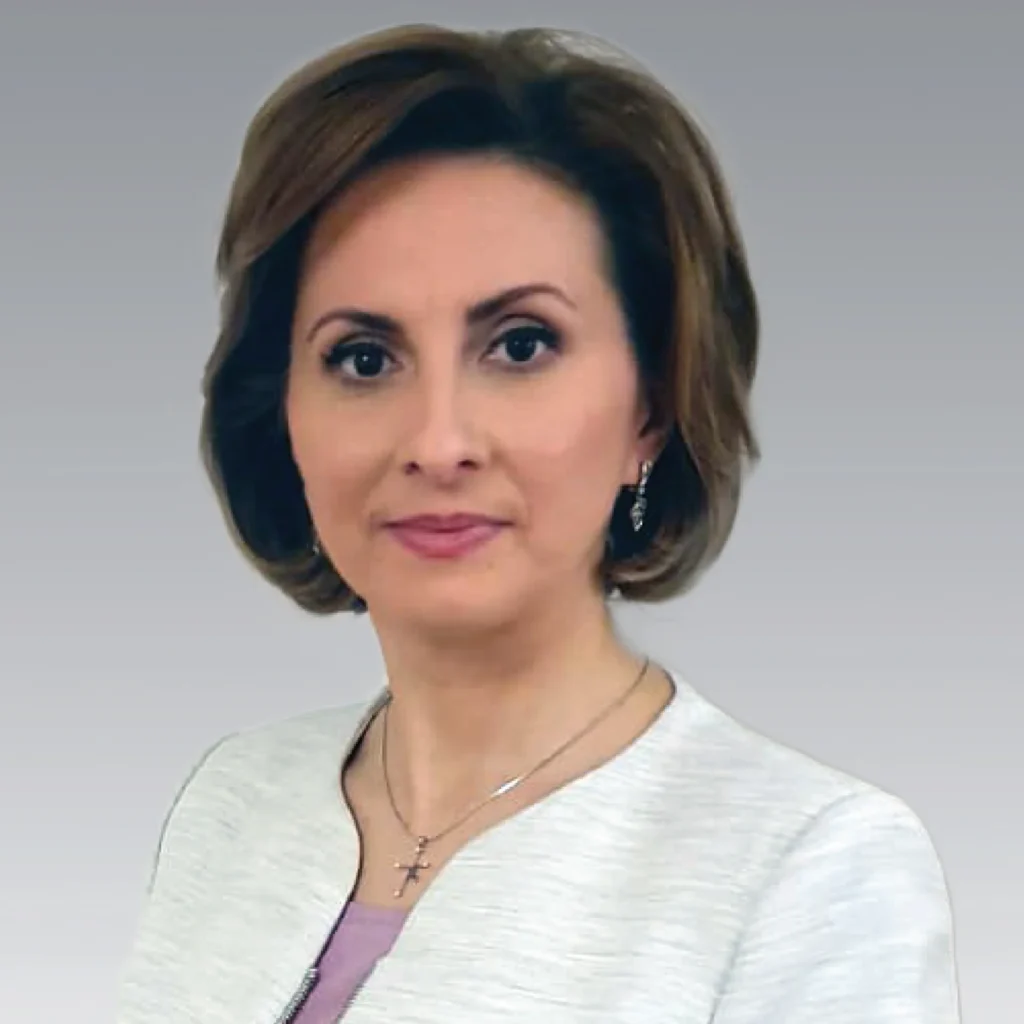
Iuliana Chilea
CEN Vice-President Technical
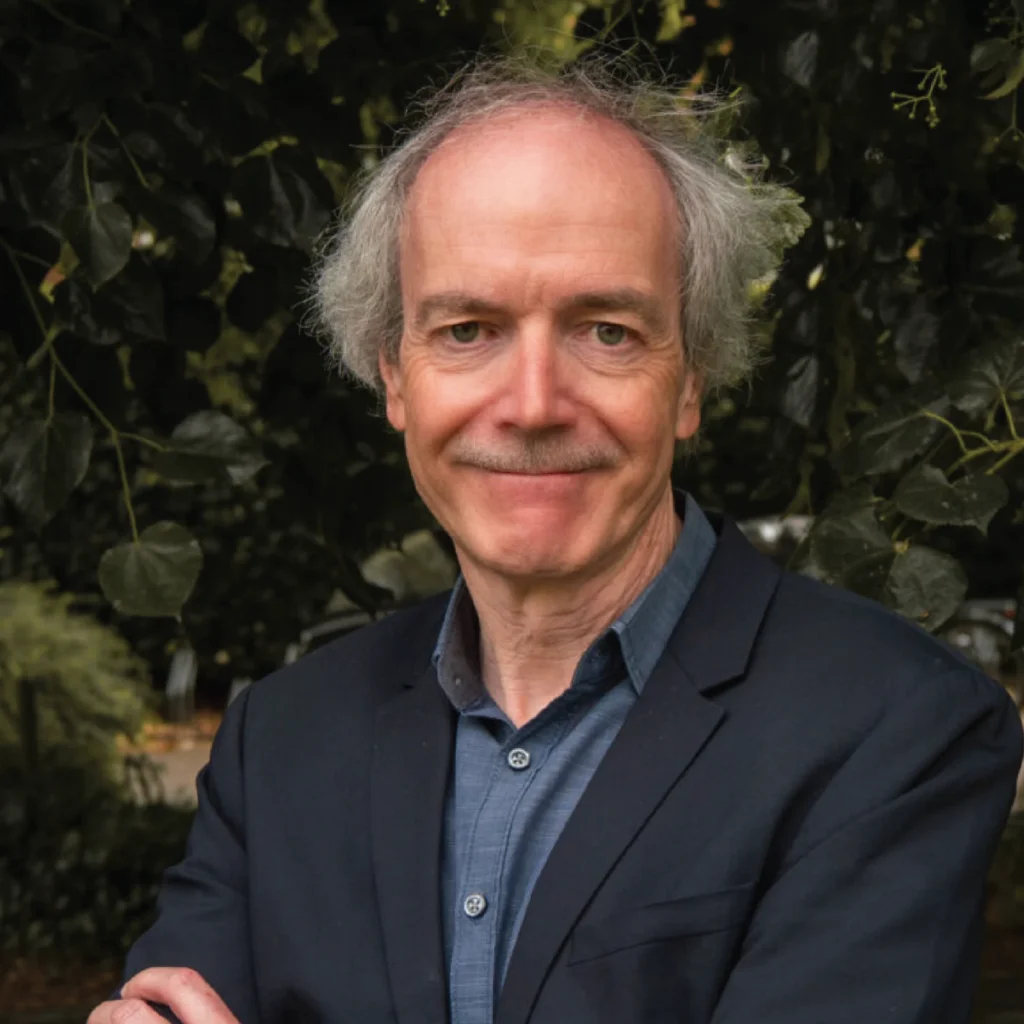
Bart Preneel
Full Professor, KU Leuven
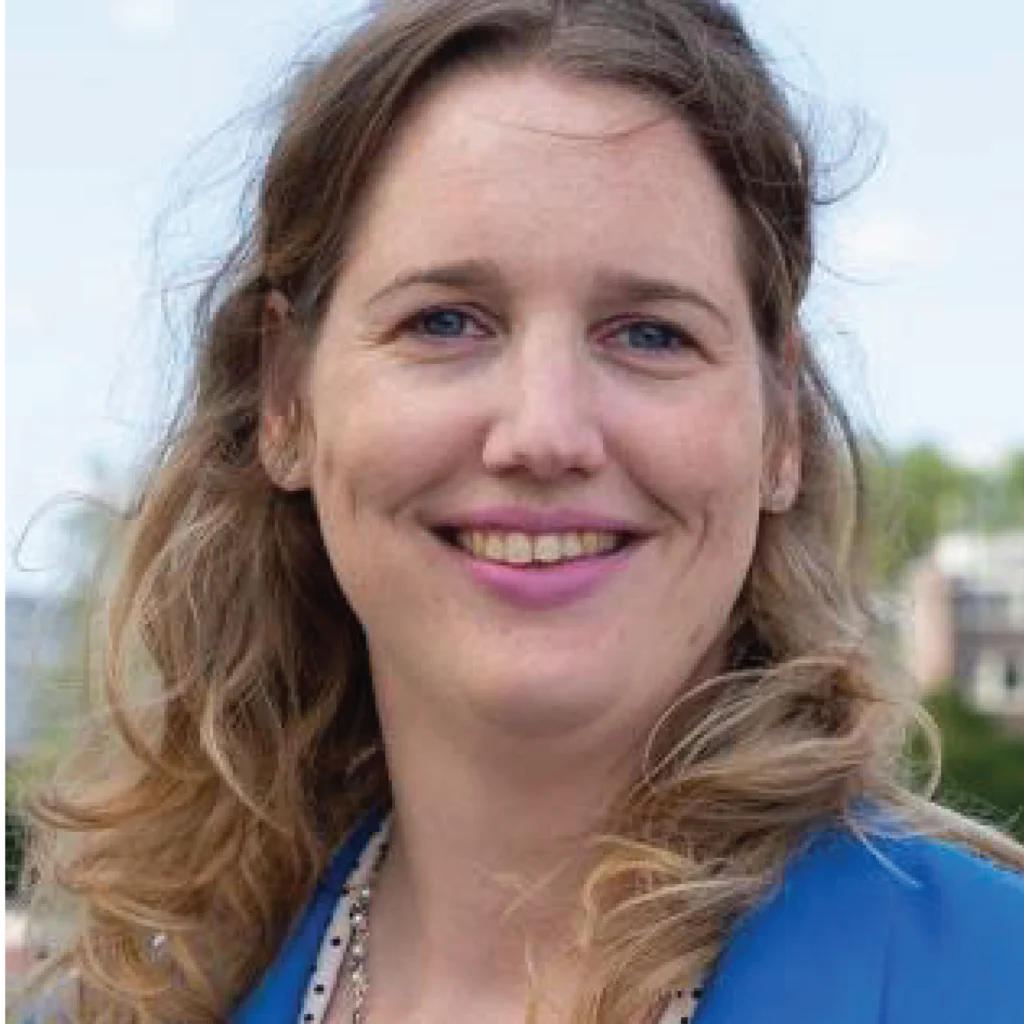
Sofie Lindskov Hansen
Chief Quantum Expert, the Danish Ministry of Foreign Affairs
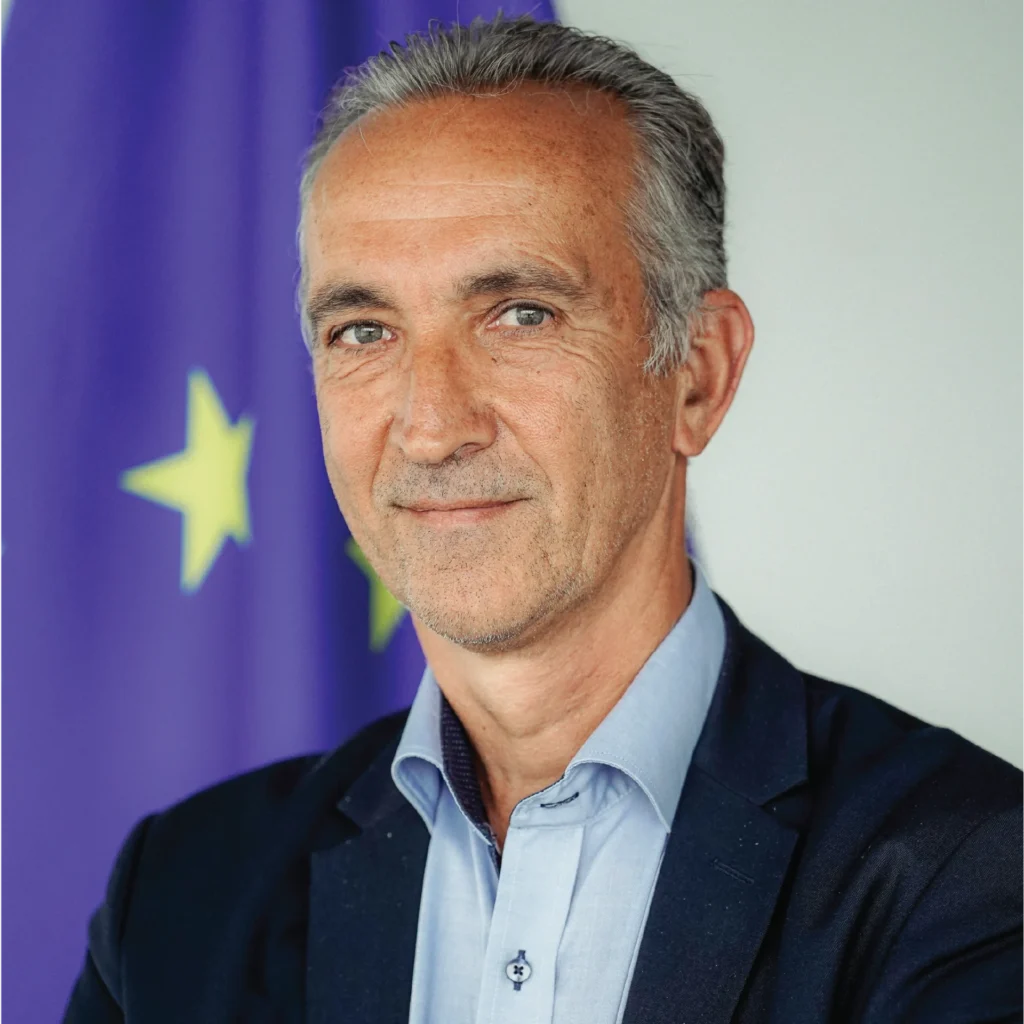
Aymard De Touzalin
Head of Unit Emerging and Disruptive Technologies, DG CNECT, European Commission
Emily N
ETSI Representative for TC CYBER Working Group for Quantum-Safe Cryptography
Lorenzo Pupillo
Moderator
Associate Senior Research Fellow and Head of the Cybersecurity@CEPS Initiative, CEPS
Michael Osborne
CTO IBM Research, Zurich, IBM
Iuliana Chilea
CEN Vice-President Technical
Bart Preneel
Full Professor, KU Leuven
Sofie Lindskov Hansen
Chief Quantum Expert, the Danish Ministry of Foreign Affairs
Aymard De Touzalin
Head of Unit Emerging and Disruptive Technologies, DG CNECT, European Commission
Emily N
ETSI Representative for TC CYBER Working Group for Quantum-Safe Cryptography
15:15 - 16:30
ROOM 206
AI and the future of work: a new division of labour
Recent developments in generative AI have helped to democratise expertise, making knowledge more accessible to a wide range of non-expert workers. Meanwhile, however, many high- and middle skilled occupations continue to experience labour shortages. This lab session will explore how such advancements in AI could be leveraged to redesign jobs and organisations, addressing skill shortages and providing new career paths. (For further background, listen to this CEPS Tech podcast episode)
With:
Enrique Fernandez-Macias, Researcher and coordinating the Employment and Skills team, Joint Research Centre
Marlene de Koning, Directorand leading the HR Tech & Digital team, PwC Netherlands
Isabelle Schömann, European Trade Union Confederation (ETUC)
Isabella Loaiza Saa, Postdoctoral Associate, MIT Sloan School of Management
Laura Nurski, Associate Research Fellow and Head of Programme on Future of Work, CEPS (moderator)