Lost in negotiations: a new MFF without common vision?
WHEN
02 March I 13:45 - 15:00
WHERE
Room 212
TOPICS
EU budget
WHEN
02 March I 13:45 - 15:00
WHERE
Room 212
TOPICS
EU budget
The European Commission’s proposal for the next Multiannual Financial Framework (MFF) has opened a complex and potentially contentious negotiation process for the EU institutions and Member States. While there is a broad agreement on the scale of the challenges facing the Union, positions diverge sharply on priorities, governance and implementation.
This session examines how positions on the next MFF are taking shape and identifies the main fault lines where negotiations risk stalling. The session pays particular attention to controversial elements such as the role of national-regional partnership plans (NRPP); the balance between flexibility and predictability; and the implications for cohesion, competitiveness and EU added value. By mapping areas of convergence and disagreement, the session assesses whether the emerging debate reflects a shared strategic vision or whether it risks becoming fragmented, thereby delaying or diluting the EU’s long-term budgetary ambitions.
Speakers
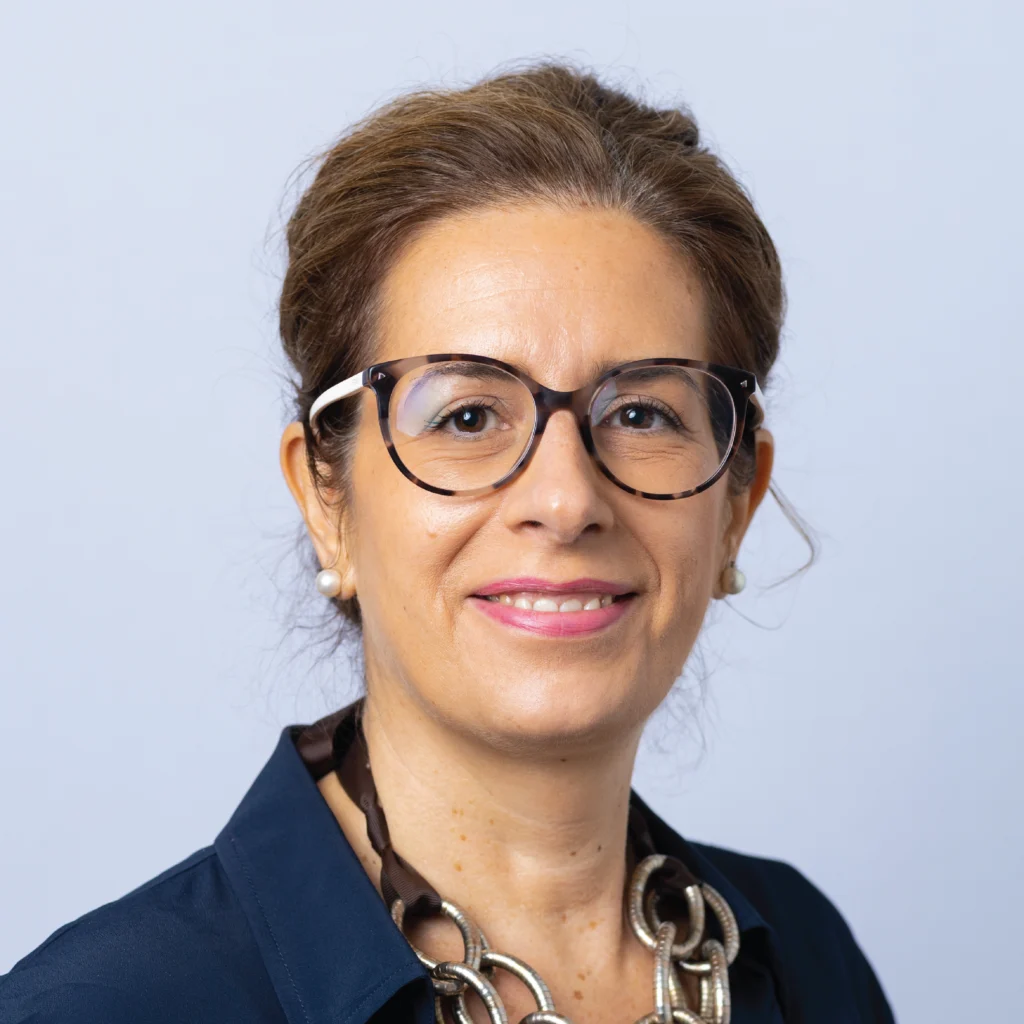
Cinzia Alcidi
Moderator
Senior Research Fellow and Head of the Economic Policy and Jobs & Skills Units, CEPS
Pieter Jan Kleiweg de Zwaan
Ambassador of the Netherlands to the European Union
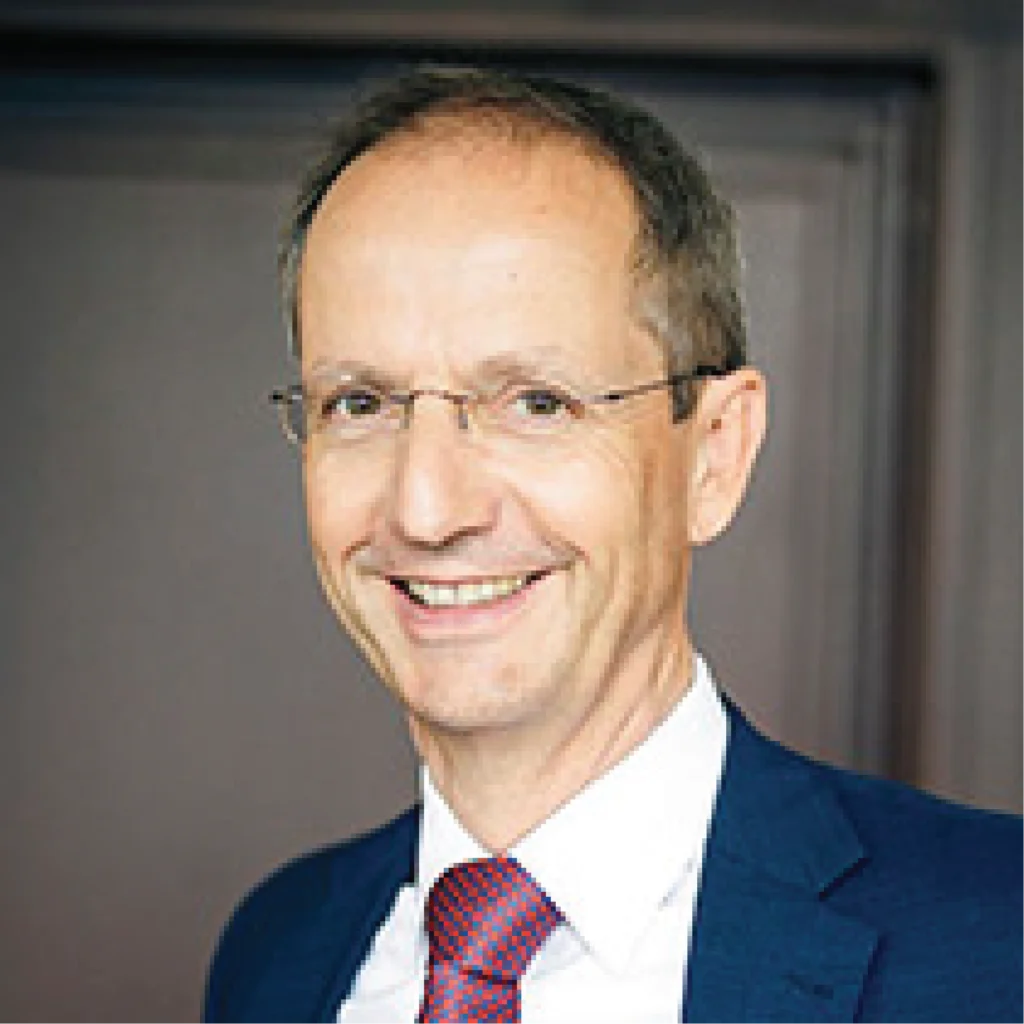
Thomas Westphal
Directorate-General for Economic and Financial Affairs, Council of the European Union
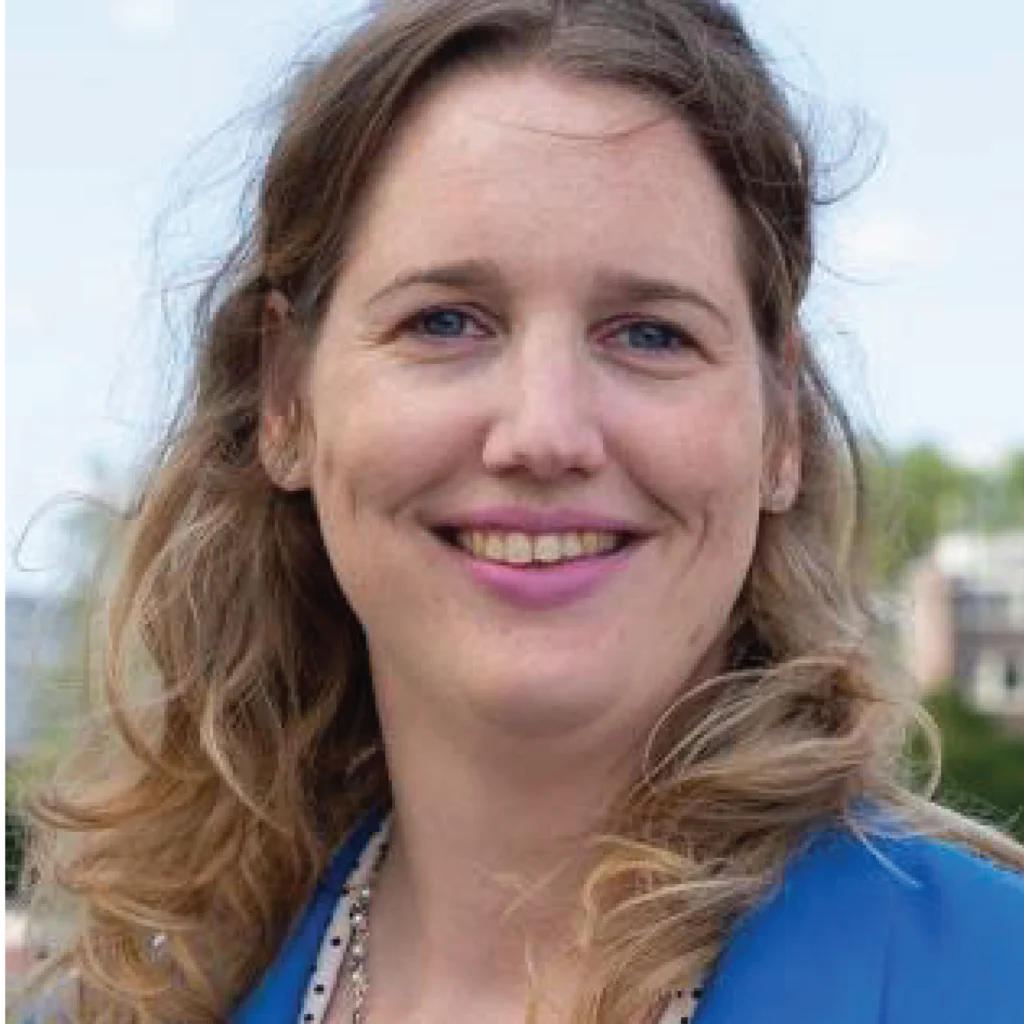
Atanas Pekanov
Senior Economist, Austrian Institute of Economic Research (WIFO)
Danuta Hübner
Former Commissioner, Former MEP, Member of the CEPS Board of Directors
Cinzia Alcidi
Moderator
Senior Research Fellow and Head of the Economic Policy and Jobs & Skills Units, CEPS
Pieter Jan Kleiweg de Zwaan
Ambassador of the Netherlands to the European Union
Thomas Westphal
Directorate-General for Economic and Financial Affairs, Council of the European Union
Atanas Pekanov
Senior Economist, Austrian Institute of Economic Research (WIFO)
Danuta Hübner
Former Commissioner, Former MEP, Member of the CEPS Board of Directors
15:15 - 16:30
ROOM 206
AI and the future of work: a new division of labour
Recent developments in generative AI have helped to democratise expertise, making knowledge more accessible to a wide range of non-expert workers. Meanwhile, however, many high- and middle skilled occupations continue to experience labour shortages. This lab session will explore how such advancements in AI could be leveraged to redesign jobs and organisations, addressing skill shortages and providing new career paths. (For further background, listen to this CEPS Tech podcast episode)
With:
Enrique Fernandez-Macias, Researcher and coordinating the Employment and Skills team, Joint Research Centre
Marlene de Koning, Directorand leading the HR Tech & Digital team, PwC Netherlands
Isabelle Schömann, European Trade Union Confederation (ETUC)
Isabella Loaiza Saa, Postdoctoral Associate, MIT Sloan School of Management
Laura Nurski, Associate Research Fellow and Head of Programme on Future of Work, CEPS (moderator)